Blog

  • How the Benefits of a Plant Based Diet Save Your Gut 

    How the Benefits of a Plant Based Diet Save Your Gut 

    Staring at a plate full of colorful, crisp veggies used to feel like a health chore, but swapping heavy meats for vibrant greens completely transformed my morning energy and digestive health. 

    Embracing the benefits of a plant based diet doesn’t mean eating boring salads or giving up your favorite comfort foods. It is all about crowding out the heavy, processed items with delicious, natural alternatives that make your body thrive from the inside out.

    We Desperately Need This Plant Magic

    Let’s be completely honest: modern fast-food culture has left our bodies feeling sluggish, inflamed, and running on empty. Tuning into the benefits of a plant based diet is the ultimate, delicious rescue mission for your long-term health. 

    Instead of fighting constant brain fog and unpredictable digestive drama, loading your plate with vibrant, natural ingredients gives your system a massive upgrade that keeps you feeling light, active, and fully charged every single day.

    What Exactly Is a Plant-Based Diet?

    Understanding the foundation of this lifestyle helps beginners avoid common nutritional traps while enjoying maximum flavor.

    Defining Whole Foods Versus Processed Junk

    Eating a plant-forward menu means prioritizing items that come directly from the earth in their natural state. Many beginners make the mistake of buying processed vegan cookies, frozen faux meats, and sugary meatless snacks thinking they are making a healthy choice. 

    True vitality comes from centering your meals around unrefined ingredients like lentils, brown rice, oats, and fresh garden produce instead of factory-made alternatives.

    The Flexible Mindset of Plant-Forward Eating

    The Flexible Mindset of Plant-Forward Eating

    Choosing this lifestyle does not mean you need a strict, stressful label to find success. Unlike a rigid vegan regimen, a plant-forward approach focuses on adding more plant foods to your plate rather than obsessing over total elimination. 

    You can easily tailor this journey to your unique daily routine, making sustainable shifts that honor your body without any unnecessary guilt.

    Golden Health Benefits of a Plant Based Diet

    Switching up your ingredient list rewards your physical health with deep, structurally proven changes that protect your future.

    Protecting Your Ultimate Engine

    Loading your kitchen with vibrant greens helps lower your blood pressure and drops harmful cholesterol levels naturally. Plant foods are completely free of dietary cholesterol and contain very low amounts of saturated fat. 

    This simple shift keeps your arteries clear and elastic, vastly reducing your overall risk of developing cardiovascular issues down the road.

    Balancing Blood Sugar with Fiber

    Balancing Blood Sugar with Fiber

    Complex carbohydrates found in root vegetables and beans digest slowly, preventing dangerous spikes in your glucose levels. The natural fiber acts like a slow-release sponge in your gut, giving you steady energy all afternoon long. 

    This steady absorption helps your cells respond better to insulin, making it a powerful defense against insulin resistance and type 2 diabetes.

    To make smarter meal choices without overthinking your plate, learning how to choose healthy carbs for meals can help you pair whole grains, beans, fruits, and vegetables in a way that supports digestion and steady energy.

    Transforming Your Daily Digestive Health

    Soluble and insoluble fibers act as direct fuel for the friendly microbes living inside your stomach ecosystem. A happy gut microbiome improves your overall nutrient absorption, strengthens your immune system, and clears up sluggish elimination patterns. 

    You will likely notice a lighter, more refreshed feeling after meals instead of that classic, heavy food coma.

    The Nutritional Elements Beginners Need

    Getting your vitamins from natural earth sources is simple when you understand how to mix and match daily staples.

    Cracking the Plant Protein Myth

    Finding enough protein on a meatless menu is incredibly easy when you look at traditional, nutrient-dense ingredients. Legumes like chickpeas, black beans, and green lentils provide excellent building blocks for your muscles while keeping you full. 

    Pairing these with whole grains or tossing pumpkin seeds onto your meals ensures you get a complete balance of essential amino acids.

    Absorbing Essential Minerals with Ease

    Iron and calcium are abundant in the green kingdom, but your body absorbs them best with a few simple culinary tricks. Squeezing fresh lemon juice over steamed spinach or kale dramatically boosts your non-heme iron uptake thanks to natural vitamin C

    Including calcium-set tofu, sesame tahini, and broccoli throughout your week keeps your bones strong without needing dairy.

    Easy Kitchen Strategies for Plant-Forward Success

    Easy Kitchen Strategies for Plant-Forward Success

    Stepping into the kitchen becomes an exciting, stress-free creative space when you follow a few basic organizational steps.

    Learning how to reduce added sugar in everyday foods also supports plant-forward eating because it helps you choose cleaner sauces, snacks, breakfast options, and packaged foods without turning healthy meals into hidden sugar traps.

    Shifting your cooking style toward the benefits of a plant based diet is incredibly straightforward when you learn to build meals around a simple formula. Start your meal prep by choosing a hearty whole grain base like quinoa or wild rice, then layer on a colorful mix of roasted or raw seasonal vegetables. 

    Top off the bowl with a clean protein source like baked tempeh or seasoned edamame, and finish it with a creamy, home-cooked sauce made from blended cashews, garlic, and nutritional yeast. Keeping pre-cooked beans and pre-washed greens in your fridge eliminates the temptation of fast food on busy weeknights.

    Frequently Asked Questions

    1. What does a plant-based diet do for your body?

    It floods your cells with protective antioxidants, lowers chronic systemic inflammation, and significantly optimizes your daily digestion. You will quickly notice clearer skin, steady daytime energy levels, and a much healthier cardiovascular system.

    2. What did Albert Einstein say about a plant-based diet?

    Albert Einstein stated that nothing will benefit human health and increase the chances for survival of life on Earth as much as the evolution to a vegetarian diet.

    3. How long does it take to feel the benefits of a plant-based diet?

    Many beginners notice lighter digestion, less bloating, and increased physical energy within just a few days of making the switch. Deeper metabolic changes like lower cholesterol and better blood sugar regulation typically show up after four weeks.

    4. Is a vegan diet better for Ckd?

    A planned plant-based diet can reduce chronic kidney disease workload by providing cleaner protein sources that produce less metabolic waste. However, advanced stages require careful tracking of potassium and phosphorus, so always consult a renal dietitian first.

    Your Juicy, Plant-Powered Tomorrow Begins Today

    Choosing the benefits of a plant based diet is a delicious act of self-care that rewards your body with long-term resilience and vibrant health.

    Every colorful whole food you add to your plate crowds out processed options, making healthy eating a natural, joyful lifestyle. Take it one meal at a time, listen to your body, and enjoy the beautiful journey toward total wellness.


  • How To Reset Your Mind After Stress: A 12-Minute Plan

    How To Reset Your Mind After Stress: A 12-Minute Plan

    Some stressful days do not end when the problem ends. Your body stays wired, your thoughts keep replaying, and even simple tasks feel louder than they should. That is why learning how to reset your mind after stress matters so much.

    I used to treat stress like something I could “think” my way out of. That rarely worked. What helped was changing my body first, then clearing my head, then creating one small signal that told my brain the stressful chapter was over.

    Why Stress Makes Your Mind Feel Stuck

    Stress is not just a mood. It is a full-body alarm system. When you feel threatened, rushed, criticized, overloaded, or unsafe, your body can shift into fight-or-flight mode. Your heart rate rises, your muscles tighten, and your mind scans for danger.

    The National Center for Complementary and Integrative Health explains that relaxation practices such as deep breathing, guided imagery, and progressive relaxation can help the body manage stress. The CDC also recommends deep breathing, stretching, journaling, outdoor time, and movement as healthy ways to cope with stress.

    That is the real goal of a reset. You are not trying to erase the day. You are helping your nervous system move from “protect me” into “recover now.”

    How To Reset Your Mind After Stress In 12 Minutes

    How To Reset Your Mind After Stress In 12 Minutes

    When I need a fast mental reset after stress, I use a 12-minute method. It is short enough to do after work, before a meeting, or after a hard conversation. It works because it starts with physiology, not willpower.

    Minute 1–3: Lengthen Your Exhale

    The fastest place to begin is your breath. I use the 4-7-8 pattern when my mind feels scattered. I inhale for 4 seconds, hold for 7, and exhale for 8.

    The long exhale matters. Slow breathing helps quiet the stress response and supports relaxation. Harvard Health notes that breath control can help calm the fight-or-flight response when stress takes over.

    Do not force a perfect breathing pattern. If 4-7-8 feels too long, try inhaling for 3 seconds and exhaling for 6. The rule is simple: make the exhale longer than the inhale.

    Minute 4–6: Release The Stress Your Body Is Holding

    Stress hides in obvious places. My jaw tightens. My shoulders rise. My tongue presses against the roof of my mouth. Once I notice those signals, I know my body is still carrying the moment.

    Try this small reset. Drop your shoulders. Unclench your jaw. Let your tongue rest. Relax your hands. Soften your belly. Then splash cold water on your face or step outside for fresh air.

    That sensory shift breaks the loop. It tells your brain, “Something changed.” You are no longer sitting in the exact same stress scene.

    This is one of the simplest answers to how to reset your mind after stress because it does not require motivation. You only need to change your body position and your sensory input.

    Minute 7–9: Move Enough To Clear The Stress Loop

    A stressed mind often needs movement, not more thinking. I like a brisk walk around the block, slow stretching, or a few minutes of pacing while breathing deeply.

    Movement helps your body use the energy stress created. It also gives your mind a new rhythm. You are not frozen at the desk, staring at the same email, replaying the same sentence.

    The CDC lists stretching, meditation, deep breathing, and outdoor activity as healthy stress-coping strategies. That is why even a short walk can feel like a mental reset. It gives your body an exit route.

    Minute 10–12: Do A Fast Brain Dump

    Once my body feels calmer, I write everything down. I do not organize it. I do not fix grammar. I just unload the mental clutter.

    My brain dump usually includes unfinished tasks, worries, random reminders, and one honest sentence about how I feel. For example: “I am overwhelmed because I do not know what needs my attention first.”

    That sentence alone lowers the pressure. Labeling the emotion gives the feeling a name. It stops being a fog and becomes a signal.

    The National Institute of Mental Health recommends journaling and relaxation exercises as coping tools for stress and anxiety. A brain dump works because it moves the mess from your head onto paper, where you can actually see it.

    Build A Transition Ritual After A Stressful Moment

    Build A Transition Ritual After A Stressful Moment

    A transition ritual is a small action that tells your brain, “That part is done.” Mine is simple. I close my laptop, wash my hands, change my shirt, and drink water before I start anything else.

    Using Practical Wellness Ideas for Busy Adults can help you create a simple transition ritual that fits naturally into a demanding schedule.

    This sounds almost too basic, but it works. Stress often lingers because there is no clear ending. Your body does not know the meeting ended, the argument ended, or the deadline passed.

    Your ritual can be shutting down your work tabs, taking a shower, changing clothes, lighting a candle, stepping outside, or cleaning your desk. The action matters less than the repetition.

    Use the same ritual often. Over time, your brain starts to connect that action with recovery. That is how to reset your mind after stress without needing a full day off.

    Recharge Your Mental Battery Without Forcing Productivity

    After a reset, do not rush into another demanding task. Your nervous system needs a softer landing.

    A lasting mental reset becomes easier when you build wellness habits that support long-term health into your daily routine.

    I use passive distraction when my brain feels fried. That means calming music, light reading, sketching, gardening, folding laundry, or making tea without checking my phone. These activities give the mind something gentle to hold.

    This is different from doomscrolling. Social media can look like rest while quietly feeding more stress. If the news, group chats, or comment sections make your chest tighter, they are not recovery.

    Set one hard boundary. Say no to the extra task. Mute the stressful thread. Step away from the person who keeps pulling you into urgency. Protecting your recovery is not laziness. It is maintenance.

    If you want to know how to reset your mind after stress in a realistic way, start with one protected block of “me time.” Even 20 minutes counts when it is free from demands.

    When A Mental Reset Is Not Enough

    A quick reset helps with everyday stress. It is not a replacement for medical care, therapy, or emergency support.

    Pay attention if stress affects your sleep, appetite, relationships, focus, or mood for many days. Also notice if you feel hopeless, panicked, numb, or unable to function. That is the point where support matters.

    NIMH explains that self-care can support mental health, but it is not a cure for mental illness. Professional help may be needed when symptoms persist or interfere with daily life.

    A reset is a tool. You deserve more than one tool when life feels heavy.

    FAQs

    1. What is the fastest way to reset your mind after stress?

    The fastest way is to lengthen your exhale, relax your jaw and shoulders, change your environment, and write down the main worry.

    2. How do I calm my nervous system after a stressful day?

    Use slow breathing, gentle movement, less screen stimulation, and a transition ritual that clearly separates stress time from recovery time.

    3. Can a brain dump help with stress?

    Yes. A brain dump helps because it moves racing thoughts onto paper, making worries easier to sort, pause, or act on.

    4. How long does it take to reset your mind after stress?

    A small reset can take 10 to 15 minutes, but deeper recovery may need sleep, boundaries, support, and repeated calming habits.

    The Mind Reset Era Starts Now

    Your mind does not need another lecture when stress hits. It needs a signal of safety, a place to put the noise, and a clean break from the moment that drained you.

    Start small today. Take one longer exhale, drop your shoulders, write the messy thought down, and create one ritual that tells your body the stress is over. That is how to reset your mind after stress without turning recovery into another job.

  • Master Your Metabolism: How to Stop Sugar Cravings for Good

    Master Your Metabolism: How to Stop Sugar Cravings for Good

    Craving a sweet treat right now is completely normal, and you are definitely not alone in this daily struggle. Many of us find ourselves reaching for cookies or soda when the afternoon slump hits or after a stressful meeting. Walking into the kitchen for an intentional, healthy snack instead of a sugary treat can feel like an uphill battle, but it becomes much easier once you understand exactly what your body is trying to tell you. 

    Learning how to stop sugar cravings is not about punishing yourself or relying purely on willpower; it is about giving your system the steady, clean fuel it actually needs.

    Science of Your Sweet Tooth

    When you consume processed treats, your brain lights up and releases a feel-good chemical called dopamine. This is the exact same reward pathway that responds to habits, creating an instant feeling of comfort and happiness. Over time, your brain begins to associate stress, boredom, or tiredness with that quick sweet reward, turning an occasional treat into an automatic habit loop.

    Another major culprit behind these sudden urges is the classic blood sugar rollercoaster ride. Eating refined carbohydrates or drinking sugary beverages causes your blood glucose levels to spike rapidly, forcing your pancreas to pump out insulin to clear it. This sudden rush of insulin leads to a dramatic blood sugar crash, which leaves you feeling exhausted, irritable, and desperate for another quick hit of energy.

    Learning How to Stop Sugar Cravings Is An Absolute Superpower

    Discovering how to stop sugar cravings changes everything because it rescues you from the endless cycle of mood swings and energy crashes. 

    When you finally break free from the constant grip of the sweet monster, your focus sharpens, your sleep improves, and your body naturally burns fat more efficiently. It is the ultimate shortcut to feeling vibrantly alive every single day without feeling deprived.

    Find Your Unique Eating Profile

    Medical experts often debate whether it is better to quit sweets completely or simply practice mindful moderation in your daily routine. Going cold turkey can work wonderfully for people who find that a single bite of chocolate spirals into eating the entire bar. 

    Find Your Unique Eating Profile

    Completely clearing your pantry of temptations forces a quick reset, but it can sometimes feel too restrictive and lead to heavy snacking later on.

    Practicing mindful moderation is often a more sustainable approach for beginners who want to enjoy life without feeling completely deprived. This strategy involves keeping small, controlled portions of high-quality treats on hand, like a single square of rich dark chocolate.

    Learning to listen to your body and allowing space for occasional treats prevents the forbidden fruit effect that makes you want sweets even more.

    Decode the Grocery Store Label Game

    Mastering the art of reading food packages is your best defense against hidden ingredients that secretly fuel your appetite.

    Food manufacturers have become incredibly clever at hiding added sugars in items that do not even taste sweet, such as salad dressings, pasta sauces, and wheat bread. A great rule of thumb for beginners is to look out for the OSE gang on the ingredient list. Ingredients ending in those letters, like fructose, glucose, sucrose, dextrose, and maltose, are all just different names for the exact same substance.

    Checking the nutrition facts label for the Added Sugars line is the fastest way to spot these hidden dietary traps before they reach your cart. Many items marketed as healthy options, like flavored low-fat yogurt or organic granola bars, actually contain more sweetness than a standard dessert. Choosing whole, single-ingredient foods ensures that you are nourishing your cells rather than accidentally triggering another cycle of intense urges.

    Act Smartly to Stop Sugar Cravings Quickly

    Taking action in your real-world kitchen does not have to be complicated when you focus on simple, nourishing swaps.

    Act Smartly to Stop Sugar Cravings Quickly

    Upgrade Your Everyday Snacks

    Replacing empty calories with nutrient-dense alternatives satisfies your palate while healing your underlying metabolism. Instead of tearing open a bag of candy, reach for fresh whole fruits like blueberries, apples, or juicy raspberries. 

    These natural options contain fruit fiber that slows down the absorption of fructose, ensuring your energy levels remain perfectly steady. Healthcare organizations like Kaiser Permanente suggest keeping your portion sizes small or combining a healthy fat like almonds with a sweet element like dark chocolate to satisfy the urge without spiking insulin.

    Load Up on Protein and Fats

    Adding the right macronutrients to your plate creates long-lasting fullness that turns off the brain’s hunger alarms. Incorporate plenty of satisfying fats and clean proteins, such as fresh avocados, raw nuts, chia seeds, eggs, and lean meats, into your daily menu. 

    These rich foods slow down your digestive process and keep you satisfied for hours at a time. By prioritizing protein and fat during breakfast and lunch, you naturally prevent the severe late-afternoon blood sugar crashes that inevitably trigger sugar cravings.

    Manage Hidden Lifestyle Triggers

    Chronic everyday stress and poor sleeping habits are secret drivers behind your compulsive midnight trips to the pantry. When you are running on less than seven hours of sleep, your body produces more ghrelin, the hormone that makes you crave quick carbohydrates for energy.

    High stress levels also elevate cortisol, which directly signals your brain to search for comforting, sweet junk foods. Prioritizing a solid night of rest and finding healthy mental outlets like journaling or walking will dramatically lower your daily biological urge for sweets.

    Hide the Kitchen Temptation

    Designing an environment that supports your health goals makes healthy eating feel almost completely effortless. It is much easier to resist a chocolate bar if it is not sitting directly on your kitchen counter in plain sight. 

    Keep your home a safe zone by leaving processed sweets at the grocery store or storing them on the highest, hardest-to-reach shelf in your pantry. By creating a small amount of physical friction between yourself and the treats, you interrupt the cycle of mindless emotional eating.

    Try Smart Sensory Tricks

    Try Smart Sensory Tricks

    You can easily outsmart sudden urges by using simple sensory inputs that reset your brain’s immediate focus. The moment a sweet tooth striking emergency happens, try brushing your teeth with an intensely minty toothpaste or rinsing with a refreshing mouthwash. 

    The strong flavor signals to your brain that the eating window is officially closed and makes any food taste unappealing. Alternatively, drinking fresh lemon water with a tiny pinch of sea salt can satisfy your taste buds and change your current sensory state instantly.

    Practice Consistent Patience

    Give your physical body the necessary time to adjust to a new, nourishing style of eating without getting discouraged. It generally takes about two to three weeks of consistent effort for your taste buds to fully adapt to a lower amount of sweetness. 

    As you gradually reduce your daily intake of added sugar, refined snacks, your taste receptors become much more sensitive to natural flavors. Soon, a handful of fresh berries will taste incredibly sweet, and those intense, uncontrollable urges will naturally begin to disappear.

    Frequently Asked Questions

    1. Which deficiency causes sugar cravings?

    A lack of essential minerals like magnesium, zinc, or chromium often triggers intense sweet urges because your body requires these specific micronutrients to effectively regulate blood glucose. Low iron levels can also cause extreme fatigue, making your brain demand fast energy from processed snacks.

    2. How to break your sugar addiction in 10 days?

    To stop sugar cravings quickly during a reset, stabilize your blood sugar by eating meals rich in protein and fiber instead of skipping them. When a sudden craving hits, drink two full glasses of water, or distract your brain with a burst of movement or a quick blast of cold water.

    3. How to detox from sugar quickly?

    Flush your system by drinking plenty of water and mineral-rich herbal teas while completely avoiding all processed foods and sweetened beverages. Prioritize lean proteins, green leafy vegetables, and healthy fats during your meals to keep your daily energy steady without relying on quick carbohydrates.

    4. Why am I addicted to sugar?

    Eating sweets triggers a heavy release of dopamine in your brain, creating a powerful reward loop that strongly reinforces comfort-seeking eating behaviors. This chemical response, combined with frequent blood glucose crashes and emotional stress, creates a genuine physical dependence on sweet foods.

    The Sweet Freedom of Living Sugar-Free

    Embracing a lifestyle with less refined sugar is a beautiful journey toward higher energy, clearer skin, and a happier body. Small daily steps like drinking extra water, reading ingredient labels, and eating more protein will completely transform how you feel from the inside out. 

    For more structured, medical advice on building a low-sugar lifestyle, consult resources from organizations like the American Diabetes Association or your local registered dietitian. Be gentle with yourself along the way, stay consistent, and enjoy discovering how incredible life tastes when you are fully in control.

  • How To Reduce Added Sugar In Everyday Foods Easily

    How To Reduce Added Sugar In Everyday Foods Easily

    I learned how to reduce added sugar in everyday foods after realizing my “healthy” breakfast was sweeter than dessert. The problem was not one cookie. It was the flavored yogurt, sweetened coffee, bottled dressing, ketchup, granola, and snack bar adding up quietly.

    Added sugar is not the same as natural sugar in plain milk or whole fruit. The FDA explains that added sugars include sugars added during processing, plus syrups, honey, and sugars from concentrated fruit or vegetable juices. The Nutrition Facts label also lists added sugars separately, which makes it easier to compare foods before buying them.

    Why Added Sugar Sneaks Into Normal Meals

    Most people do not eat added sugar only from candy. It often hides in foods that look practical, quick, or even healthy. Breakfast cereals, flavored oatmeal, bottled smoothies, protein bars, pasta sauce, ketchup, barbecue sauce, salad dressings, sweetened plant milk, and café drinks can all raise daily sugar intake.

    The Dietary Guidelines recommendation is to keep added sugars below 10% of daily calories. For a 2,000-calorie diet, that equals 50 grams per day, which is also the FDA Daily Value for added sugars. The American Heart Association suggests an even lower daily target for heart health: no more than 25 grams for most women and 36 grams for most men.

    That is why small swaps matter. One sweet drink and one flavored snack can use a large part of the daily limit before dinner.

    Start With The Label, Not The Front Package

    Front labels can say “natural,” “organic,” “low-fat,” or “made with real fruit” and still contain added sugar. I now turn the package around before I trust the marketing.

    Check Added Sugars Before Total Sugars

    The Nutrition Facts label shows total sugars and added sugars. Total sugars include natural sugars from foods like fruit and dairy. Added sugars are the ones added during processing or preparation.

    A quick rule helps: 5% Daily Value or less is generally low, while 20% Daily Value or more is high. Dietary Guidelines materials use this rule to help shoppers judge added sugar on labels.

    Learn to read nutrition labels correctly during your next grocery trip.

    Learn The Names Sugar Hides Behind

    Sugar does not always appear as “sugar.” It can show up as high-fructose corn syrup, cane sugar, cane juice, dextrose, maltose, rice syrup, maple syrup, agave, honey, fruit juice concentrate, maltodextrin, or evaporated cane juice.

    When several sweeteners appear in one ingredient list, I treat that as a warning. The food may not taste like dessert, but it may behave like one in my daily sugar total.

    Make Breakfast Less Sweet Without Making It Boring

    Make Breakfast Less Sweet Without Making It Boring

    Breakfast is where added sugar sneaks into my day fastest. The fix is not skipping breakfast. The fix is choosing plain bases and adding flavor myself.

    Choose Plain Staples And Add Your Own Flavor

    Plain Greek yogurt with raspberries and cinnamon tastes fresh without needing flavored syrup. Steel-cut oats with sliced banana, nuts, and nutmeg feel sweet enough after a few days of adjustment. Whole-grain toast with avocado and eggs gives steady energy without relying on sweet spreads.

    This approach works because it keeps fiber, protein, and fat in the meal. Those three make breakfast more filling than a sugary cereal bowl that leaves me hungry two hours later.

    Watch Low-Fat And Flavored Foods

    Low-fat foods can be useful, but they deserve a label check. Some brands remove fat and add sugar to improve flavor. Flavored yogurt, flavored oatmeal packets, granola, and “light” dressings are common examples.

    My rule is simple: buy plain first. Then add fruit, cinnamon, vanilla extract, or a small measured drizzle of sweetness when needed.

    Rethink Drinks Before Changing Your Whole Diet

    Rethink Drinks Before Changing Your Whole Diet

    Drinks can carry a surprising amount of sugar because they do not feel like food. Soda, fruit juice, sweet tea, energy drinks, bottled coffee, and fancy café drinks can raise sugar intake quickly.

    Step Down Coffee Sweeteners

    I did not remove sugar from coffee in one day. I reduced it slowly. Two teaspoons became one and a half. Then one. Then half. After a few weeks, heavily sweetened drinks started tasting too strong.

    This gradual method trains taste buds without making the change feel punishing.

    Replace Sugary Drinks With Better Daily Options

    Water, sparkling water, unsweetened iced tea, green tea, and herbal tea are easy defaults. Lemon, mint, cucumber, ginger, or berries can add flavor without turning the drink into dessert.

    Fruit juice needs caution too. Even 100% juice lacks the same fiber structure as whole fruit. I choose whole oranges, apples, or berries more often because they feel more satisfying.

    Reduce Hidden Sugar In Sauces, Snacks, And Packaged Foods

    Reduce Hidden Sugar In Sauces, Snacks, And Packaged Foods

    A low-sugar routine often fails because of the “small extras.” Sauces, dips, dressings, and snacks look harmless until they appear several times a day.

    Choose Condiments Carefully

    The CDC notes that ketchup, jarred pasta sauce, barbecue sauce, and salad dressings can hide added sugars even though they taste savory. It also points out that yogurt and protein bars may contain more sugar than expected, so comparing labels matters.

    I now look for no-sugar-added pasta sauce, mustard instead of sweet barbecue sauce, salsa without added sugar, and homemade dressing made with olive oil, lemon juice, herbs, and pepper.

    Build Smarter Snacks

    The easiest snack formula is protein plus fiber. A green apple with almonds works better than a fruit snack. Plain Greek yogurt with raspberries and cinnamon works better than sweetened yogurt. Carrots with hummus, boiled eggs, walnuts, cottage cheese, or roasted chickpeas can also help.

    When I eat something sweet, I pair it with protein or fiber. A few squares of dark chocolate after dinner feel more balanced with nuts or berries than alone.

    Use Home Cooking To Control Sweetness

    Cooking at home gives control over sugar without removing flavor. The goal is not bland food. The goal is better flavor from real ingredients.

    Cut Sugar In Baking

    Most cookie, muffin, quick bread, and brownie recipes can handle less sugar. I usually reduce sugar by one-third first. If the texture still works, I try reducing it by half next time.

    Unsweetened applesauce, mashed banana, or pumpkin purée can add moisture and mild sweetness. They do not make a dessert sugar-free, but they help reduce the amount of added sugar needed.

    Use Spices And Fruit For Natural Sweetness

    Cinnamon, nutmeg, ginger, cardamom, vanilla extract, and citrus zest make food taste sweeter without adding much sugar. Roasted sweet potatoes, berries, bananas, apples, and pears can also bring natural sweetness with nutrients and fiber.

    This is the trick that made the biggest difference for me. I did not remove pleasure from food. I moved sweetness from processed products to whole ingredients.

    A Sample Low-Sugar Meal Plan For One Day

    Here is a simple day I would actually follow.

    Breakfast starts with two scrambled eggs, spinach, diced tomatoes, black pepper, and one slice of whole-grain or sourdough toast with mashed avocado. I drink black coffee, green tea, or a plain latte without flavored syrup.

    Lunch is a large spinach or mixed-greens salad with grilled chicken breast or baked tofu. I add cucumbers, shredded carrots, pumpkin seeds, and a small sprinkle of feta. The dressing is olive oil and lemon juice instead of bottled sweet dressing.

    For an afternoon snack, I choose raw almonds or walnuts with a small green apple. Another option is plain unsweetened Greek yogurt with raspberries and cinnamon.

    Dinner is baked salmon or a grilled chickpea patty with garlic and herbs. I add quinoa or roasted sweet potato, plus roasted broccoli and asparagus tossed with olive oil.

    Dessert stays simple. A few squares of 85% dark chocolate or a small bowl of berries works well. Chamomile or peppermint tea helps close the day without a sweet drink.

    My 7-Day Sweetness Reset Method

    When people ask me how to reduce added sugar in everyday foods without feeling deprived, I suggest a seven-day reset. It is not a detox. It is a taste-bud retraining week.

    For seven days, choose plain versions of foods you already eat. Buy plain yogurt, plain oats, unsweetened drinks, no-sugar-added sauces, and whole fruit. Reduce coffee sweetener by half. Keep dessert small, but do not ban it. Read every label before buying packaged snacks.

    By day four or five, sweetened foods often taste stronger. That is the win. Your taste buds start noticing natural sweetness again.

    Sugar, You’re Not The Boss Of My Pantry

    Learning how to reduce added sugar in everyday foods is not about becoming strict or joyless. It is about taking back control from sneaky products that add sweetness where you did not ask for it.

    Start with one place: your drink, breakfast, snack, or condiment shelf. Fix that first. Once one habit feels easy, move to the next. Your pantry does not need a dramatic breakup with sugar. It just needs better boundaries.

    FAQs

    1. What is the easiest way to reduce added sugar daily?

    Start with drinks because soda, sweet coffee, juice, and sweet tea can add sugar fast.

    2. How do I find hidden sugar in packaged foods?

    Check the Added Sugars line and scan ingredients for syrup, cane sugar, dextrose, maltose, and juice concentrate.

    3. Can I still eat fruit while cutting added sugar?

    Yes, whole fruit contains natural sugar plus fiber, water, vitamins, and minerals.

    4. How to reduce added sugar in everyday foods without cravings?

    Reduce sweetness gradually, eat enough protein and fiber, and use cinnamon, vanilla, fruit, or nuts for flavor.

  • The No-Stress Blueprint to Healthy Eating on a Tight Budget

    The No-Stress Blueprint to Healthy Eating on a Tight Budget

    The grocery checkout screen can feel a little too dramatic when every item seems to push your total higher. When you are walking through store aisles with a tight budget, healthy choices can start to feel expensive, stressful, or completely unrealistic.

    But healthy eating on a tight budget is not about giving up the foods you enjoy or surviving on the same boring meals every week. It is about learning how to shop smarter, stretch ingredients further, reduce waste, and make simple meals that support your health without draining your wallet.

    Key Takeaways

    • Whole foods like oats, eggs, and brown rice cost less per serving than processed options.
    • Frozen fruits and vegetables offer the same vitamins as fresh options for a lower price.
    • Meal planning cuts down your grocery bill by stopping accidental impulse purchases.
    • Plant proteins like beans and lentils drop your cooking costs while boosting dietary fiber.
    • Checking the shelf unit price ensures you buy the cheapest brand every single time.

    The Secret Recipe for Financial Kitchen Freedom

    Let us face the truth: your wallet does not need to suffer just because you want a flat stomach and clear skin. Society tricks us into believing that wellness requires expensive superfood powders and designer grocery bags. 

    Learning the art of healthy eating on a tight budget is your ultimate financial superpower. It keeps your bank account completely happy while giving your cells the exact daily fuel they need to thrive.

    Top Strategies for Budget-Friendly Healthy Eating

    Mastering your grocery list starts long before your feet hit the supermarket floor.

    Top Strategies for Budget-Friendly Healthy Eating

    Swap Animal Protein

    Incorporating more black beans, red lentils, and whole eggs into your weekly menu rotation provides high-quality protein and essential fiber for a tiny fraction of the cost of beef or chicken. 

    These plant-based options expand during the cooking process, making your meals stretch much further. Your digestion will thank you for the extra fiber boost while your wallet enjoys the massive relief at checkout.

    Embrace Frozen Produce

    Embrace Frozen Produce

    Stocking your freezer with bags of broccoli, spinach, and wild berries prevents expensive food waste because you only thaw what you actually need. 

    Frozen vegetables are pre-chopped and packed at peak ripeness, meaning they lock in all their vital nutrients safely. You completely bypass the risk of fresh greens turning into brown sludge in the back of your refrigerator.

    Utilize Bulk Staples

    Purchasing whole grains like brown rice, rolled oats, and quinoa in large bulk bags saves an incredible amount of money per serving. 

    These dense complex carbohydrates act as a wonderful nutritional base for almost any meal you create. They store beautifully for months in your pantry, keeping your daily food costs incredibly predictable and low.

    Plan and Shop Local

    Writing down a definitive meal plan before leaving the house stops you from making costly impulse purchases down the snack aisle. 

    Sticking to a strict shopping list keeps your mind focused and your checkout total entirely manageable. Visiting local farmers markets near the end of the day often rewards you with amazing prices on seasonal produce.

    Budget-Savvy Meal Ideas

    Transforming simple raw ingredients into delicious daily fuel comes down to consistency and workflow.

    Budget-Savvy Meal Ideas

    Base Dishes on Rice and Beans

    Combining black beans and brown rice creates a complete protein that satisfies your hunger for hours. Toss in whatever seasonal vegetables you have on hand and drizzle with a quick homemade dressing to elevate the flavor profile. This incredibly cheap foundation can be seasoned with cumin and lime juice for a classic, comforting dinner.

    Quick Stir-Fries

    Tossing frozen mixed vegetables into a hot skillet with bulk brown rice or whole-wheat pasta creates a fast, nutritious lunch. 

    Mix a simple homemade sauce using low-sodium soy sauce, garlic powder, and a touch of honey to avoid expensive store-bought marinades. This meal takes under fifteen minutes to prepare, beating the speed and cost of any local fast-food drive-through.

    Hearty Oatmeal Bowls

    Starting your morning with a warm bowl of inexpensive rolled oats provides long-lasting fuel that keeps your brain sharp. Top your morning oats with a handful of thawed frozen berries and a spoonful of peanut butter for healthy fats in your diet.This comforting breakfast costs mere pennies per serving and completely eliminates the need for sugary boxed cereals.

    Frequently Asked Questions

    1. Can you eat healthy on a tight budget?

    Yes, focusing your grocery trips on whole foods like dried beans, oats, eggs, and frozen vegetables allows you to eat highly nutritious meals for a fraction of the cost of processed convenience items. It simply requires a little bit of advance planning and smart ingredient shopping.

    2. What is the healthiest food to eat on a budget?

    Eggs and dried lentils are incredibly healthy and cheap. They deliver high-quality protein, essential vitamins, and minerals while costing only a few cents per individual serving at any standard grocery store, making them perfect for low-cost meal preparation.

    3. What is the 3 3 3 rule for eating?

    This structure involves eating three balanced meals, enjoying three nutritious snacks, and spacing them three hours apart. It keeps your blood sugar stable, prevents expensive, impulsive binge eating throughout the day, and helps you use up your pre-planned groceries efficiently.

    4. Can you live on $200 a month for food?

    Yes, a single person can live comfortably on fifty dollars a week by planning meals carefully, cooking at home, choosing generic store brands, and avoiding expensive dining out or fast food trips. Focus your shopping list entirely on bulk whole grains and frozen produce.

    Cash in on Clean Eating

    Eating well does not have to depend on a bigger paycheck or a cart full of expensive “health” products. Real progress often starts with small, repeatable choices: choosing whole grains, buying frozen fruits and vegetables, cooking simple meals, planning before you shop, and using every ingredient wisely.

    When you stop seeing budget meals as a limitation, you begin to notice how flexible, filling, and nourishing they can be. Healthy eating on a tight budget is really about confidence in the kitchen, not perfection. Start with one smart habit this week, then build from there. Over time, those small changes can support your energy, your health, and your wallet without making food feel stressful

  • How to Reduce Sugar Cravings Naturally and Feel Better

    How to Reduce Sugar Cravings Naturally and Feel Better

    I once believed that wanting something sweet meant I lacked willpower. In reality, my cravings often followed skipped meals, stress, poor sleep, or familiar routines. Learning how to reduce sugar cravings naturally helped me stop fighting food and notice what my body needed. The goal is not to eliminate every dessert. It is to create steadier energy and make deliberate choices.

    Why Sugar Cravings Happen

    Cravings usually have a physical, emotional, or habitual trigger. Long gaps between meals can leave you hungry, while meals low in protein or fiber may digest quickly and make another snack tempting.

    Stress, boredom, and fatigue can increase the desire for comforting foods. Habits matter too. If you regularly eat dessert while watching television, your brain may expect it whenever the program starts. Strict dieting can also intensify cravings by making sweets feel forbidden.

    What to Do When a Craving Hits

    Pause and Identify the Trigger

    Ask whether you are hungry, tired, stressed, thirsty, or following a routine. Physical hunger builds gradually and can be satisfied by different foods. A craving often feels specific and urgent. A short pause helps you choose the right response.

    Choose a Satisfying Snack

    When hunger is the trigger, combine protein and fiber. Try Greek yogurt with berries, an apple with peanut butter, hummus with vegetables, or an egg with whole wheat crackers. These options are often more satisfying than a sweet snack alone.

    Change Your Environment

    When the urge comes from boredom or habit, interrupt the pattern. Take a short walk, make unsweetened tea, brush your teeth, or move to another room. This can weaken the connection between a situation and sugary food.

    Build Meals That Keep You Full

    Build Meals That Keep You Full

    Include Protein, Fiber, and Healthy Fat

    Choose protein from eggs, fish, beans, lentils, tofu, yogurt, or lean meat. Add fiber from vegetables, fruit, oats, seeds, or whole grains, plus healthy fat from nuts, avocado, olive oil, or nut butter.

    A useful formula is protein, a fiber-rich carbohydrate, vegetables or fruit, and healthy fat. For breakfast, try eggs with whole-grain toast or yogurt with oats and fruit.

    Avoid Skipping Meals

    Skipping meals to save calories can lead to intense afternoon or nighttime cravings. Eat at reasonably consistent times and keep a portable snack available. Regular nourishment usually works better than resisting hunger until evening.

    Reduce Added Sugar Gradually

    Start With Automatic Sources

    A sudden ban on every sweet food may be difficult to maintain. Begin with sources you consume without much thought, such as sweetened drinks, flavored coffee, candy desk, or habitual dessert.

    Use less syrup in coffee, mix sweetened yogurt with plain yogurt, or alternate soda with sparkling water. Small reductions give your taste preferences time to adjust.

    Read Food Labels

    Added sugar can appear in cereal, granola bars, sauces, dressings, and drinks that do not seem like desserts. Compare similar products without assuming everything must be sugar-free.

    Whole fruit and unsweetened dairy provide nutrients and should not be treated like heavily sweetened products. Fruit also contains water and fiber.

    Enjoy an Intentional Portion

    Sometimes a modest serving of the food you genuinely want is more satisfying than several substitutes. Put it on a plate, sit down, and eat without distraction. A sweet item after a balanced meal may also feel more satisfying than one eaten when extremely hungry.

    Following practical portion control tips for everyday meals can help you enjoy sweet foods in reasonable amounts without feeling deprived or turning one craving into prolonged overeating.

    Manage Nighttime Cravings

    Manage Nighttime Cravings

    Evening cravings often begin earlier in the day. Check whether breakfast, lunch, and dinner were substantial enough. A balanced dinner may reduce late-night grazing.

    Create an end-of-eating routine by clearing the kitchen, making an unsweetened drink, and moving to another activity. If genuine hunger returns, choose a planned snack instead of eating from a package.

    Sleep matters too. Keep a regular bedtime and create a calming routine. For stress-related cravings, try walking, slow breathing, journaling, stretching, or talking with someone before turning to food.

    Understanding the stress and weight gain connection can also explain why ongoing pressure may increase cravings, disrupt sleep, and make balanced eating habits harder to maintain.

    Avoid Common Myths

    Cravings alone do not prove that you have a magnesium, chromium, or vitamin deficiency. A healthcare professional should assess suspected deficiencies rather than relying on one symptom.

    Detox teas, appetite suppressants, and unproven supplements are not necessary for most people. Regular meals, adequate sleep, stress management, and gradual changes offer a more sustainable foundation.

    When to Seek Professional Support

    Speak with a healthcare professional if cravings occur with dizziness, shaking, faintness, confusion, excessive thirst, frequent urination, or unexplained weight changes.

    Support is also important when eating feels out of control, binge episodes occur, or food causes severe guilt or anxiety. A registered dietitian or qualified mental health professional can help.

    Frequently Asked Questions

    1. How can I learn how to reduce sugar cravings naturally at night?

    Eat enough during the day, include protein and fiber at dinner, improve your sleep routine, and keep a balanced snack available when genuine hunger returns.

    2. What foods can satisfy a sweet craving?

    Whole fruit, yogurt with berries, oats with cinnamon, dates paired with nuts, or a small amount of dark chocolate can provide sweetness with greater satisfaction.

    3. Does drinking water stop sugar cravings?

    Water may help when thirst is mistaken for hunger, but it cannot replace food when your body needs energy. Choose a balanced snack when physical hunger is present.

    4. How long does it take to crave less sugar?

    There is no universal timeline. Some people notice changes after several weeks, although stress, sleep, routines, and meal patterns influence progress.

    A More Balanced Way Forward

    I have learned that the best question is not, “How do I force this craving to disappear?” It is, “What is this craving telling me?” Sometimes the answer is hunger. Other times it is tiredness, stress, routine, or comfort.

    Balanced meals, satisfying snacks, better sleep, and gradual changes can make cravings easier to manage without turning eating into a daily battle. Progress does not require perfection. Each intentional choice helps build a healthier routine.

  • Pass the Flavor, Hold the Salt With Low-Sodium Diet Food

    Pass the Flavor, Hold the Salt With Low-Sodium Diet Food

    Learning how a low-sodium lifestyle protects your body can turn a stressful medical chore into an exciting, flavorful kitchen game. Think of your blood vessels as smooth highways. When too much salt enters your system, it acts like a giant traffic jam. One that forces your heart to work overtime just to pump blood through your body. 

    Cutting back on the salt shaker clears up the traffic instantly, giving you boundless natural energy while protecting your long-term cardiovascular wellness.
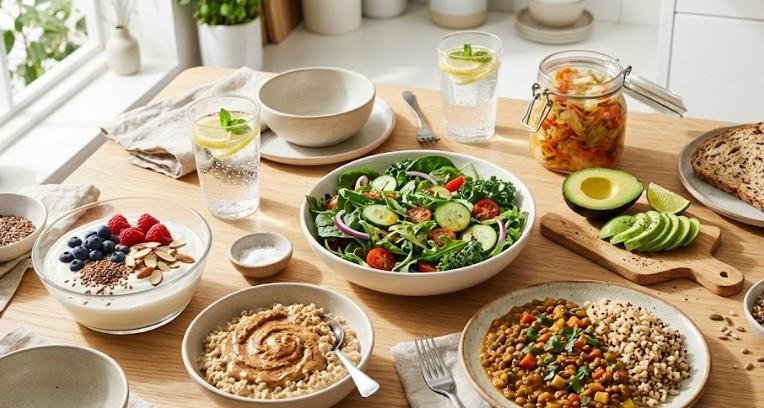
    Key Takeaways

    • Check food labels for five percent Daily Value or less to identify low-salt options easily.
    • Splash fresh citrus juices and vinegars onto meals to replace the bite of traditional salt.
    • Rinse your canned beans and vegetables under tap water to wash away forty percent of sodium.
    • Feast on unprocessed, single-ingredient whole foods like fresh vegetables, fruits, eggs, and plain grains.
    • Swap out packaged grocery store items for easy homemade spice blends to protect your heart.

    Mastering What To Eat Every Day

    Building a beautiful meal around whole foods is the absolute foundation of long-term health success.

    Choosing ingredients that come straight from nature ensures that you are nourishing your body without overloading your system with chemical preservatives. When you focus your grocery cart on single-ingredient items, you completely eliminate the stress of tracking complicated mathematical equations at the dinner table.

    Bountiful Fresh Produce and Greens

    Bountiful Fresh Produce and Greens

    All fresh fruits like bananas, crisp apples, and sweet oranges contain virtually zero natural sodium while delivering essential vitamins to your body. Filling your plate with vibrant fresh vegetables such as spinach, sweet bell peppers, and roasted sweet potatoes naturally floods your bloodstream with heart-healthy potassium.

    Clean and Unprocessed Clean Proteins

    Selecting fresh or frozen chicken, lean turkey, beef, and wild seafood without added marinades or chemical broths keeps your baseline sodium incredibly low. Checking the fine print on raw meat packaging ensures that corporate manufacturers have not injected a hidden saline solution directly into the muscles.

    Nourishing Plant Proteins and Wholesome Grains

    Unsalted nuts, raw seeds, dried lentils, and split peas add more fibre. It provides excellent muscle-building power without any added factory salt. Pairing these with wholesome grains like brown rice, ancient quinoa, pearled barley, and rolled oats creates a comforting meal that keeps your heart wonderfully happy.

    Spotting Hidden Salt Traps To Avoid

    Learning where manufacturers hide sodium will completely transform your daily energy and health.

    Highly processed convenience items and pre-packaged foods are the primary secret sources of excess salt in the modern western diet. Many grocery store products that do not even taste salty are actually loaded with sodium-based preservatives designed to extend shelf life.

    Spotting Hidden Salt Traps To Avoid

    Savory Processed Meats and Fast Fixes

    Bacon, breakfast sausage, hot dogs, deli cold cuts, and cured fish are packed with massive amounts of sodium to prevent spoilage. These processed meats cause immediate water retention and risk your heart with diseases, making them a top item to leave off your weekly shopping list.

    Heavy Convenience Meals and Salty Condiments

    Frozen television dinners, jarred store pasta sauces, and traditional canned soups are notoriously packed with sodium to make up for a lack of fresh ingredients. Jarred pickles, green olives, commercial soy sauce, and processed potato chips similarly pack an entire day worth of salt into a single tiny serving.

    Commercially Prepared Breads and Bakery Items

    Many beginners are completely shocked to learn that everyday grocery store bagels, flour tortillas, and instant baking mixes contain dense amounts of hidden sodium. Manufacturers use salt as a dough conditioner, meaning a single sandwich can easily exhaust your entire low-sodium budget before lunchtime arrives.

    Smart Shopping Tips For Low Sodium Diet Food Success

    Taking control of your home kitchen allows you to become the master of your own physical wellness include anti inflammatory diet foods.

    Transforming your daily routine into an effortless habit simply requires a few clever lifestyle adjustments when navigating the grocery store aisles. Implementing these quick culinary practices ensures you never have to sacrifice the delicious joy of a comforting, savory meal. (more…)

  • Healthy Snacks for Weight Management: 21 Filling Ideas

    Healthy Snacks for Weight Management: 21 Filling Ideas

    I once assumed snacking would interfere with my goals. The real issue was not eating between meals. It was choosing processed foods that disappeared quickly, offered little satisfaction, and left me searching for more.

    The right healthy snacks for weight management can control hunger, reduce impulsive choices, and make balanced meals easier to maintain. They do not need to be bland, expensive, or difficult. A satisfying snack can be as simple as yogurt with berries or an apple with peanut butter.

    Can Snacking Help Manage Weight?

    Snacking can help when it responds to genuine hunger and fits your overall eating pattern. A planned snack may prevent you from reaching the next meal ravenous, when mindful portions become harder to follow.

    Choosing snacks that complement your balanced nutrition habits can help you include more protein, fiber, healthy fats, fruits, and vegetables throughout the day.

    Snacks are not compulsory. Boredom, stress, thirst, habit, easy access to food, and emotional eating can resemble physical hunger. Genuine hunger usually develops gradually and may bring stomach emptiness, lower energy, or reduced concentration.

    What Makes a Snack Filling?

    What Makes a Snack Filling?

    Combine Protein and Fiber

    Protein and fiber help a snack feel substantial. Greek yogurt, eggs, cottage cheese, tuna, edamame, beans, fruit, vegetables, oats, and whole grains are reliable choices. Pairing fruit with protein is usually more satisfying than eating fruit alone.

    Add Healthy Fats

    Nuts, seeds, avocado, olives, and nut butter add flavor and staying power. Because they are energy-dense, portions matter. Measure nut butter and place nuts in a small bowl rather than eating from the package.

    Choose High-Volume Foods

    Water- and fiber-rich foods provide more volume. Berries, melon, cucumbers, carrots, tomatoes, broth-based soup, and air-popped popcorn can create generous snacks without heavy ingredients.

    Including more nutrient-dense foods in your snack choices can provide vitamins, minerals, protein, fiber, and healthy fats while helping each portion feel more nourishing and satisfying.

    21 Filling Snack Ideas

    21 Filling Snack Ideas

    High-Protein Snacks

    • Greek yogurt with berries provides protein, fiber, and natural sweetness. Choose an unsweetened variety and add cinnamon.
    • Cottage cheese with sliced peaches makes a creamy snack in minutes.
    • Two hard-boiled eggs with cucumber slices create a portable savory option.
    • Steamed edamame offers plant protein and fiber. Add lemon juice or chili flakes.
    • Tuna on whole-grain crackers works when you need something more substantial.

    High-Fiber Snacks

    • An apple with measured peanut butter combines crunch, sweetness, protein, and fat.
    • Pear slices with walnuts offer fiber and texture.
    • Air-popped popcorn is a high-volume choice. Season it with herbs, paprika, or nutritional yeast.
    • Roasted chickpeas can satisfy crunchy cravings. Try garlic, cumin, or chili seasoning.
    • Oatmeal with chia seeds and berries works as a warm snack anytime.

    Fresh and Savory Snacks

    • Carrot, cucumber, and bell pepper strips with hummus provide crunch, fiber, and plant protein.
    • Cherry tomatoes with mozzarella create an easy caprese-inspired snack.
    • Watermelon with pumpkin seeds balances refreshing volume with protein and healthy fat.
    • Celery filled with cottage cheese or peanut butter is quick and affordable.
    • A cup of broth-based vegetable soup can be satisfying. Check sodium levels in packaged varieties.

    Balanced Sweet Snacks

    • Frozen grapes with a cheese stick offer a dessert-like texture plus protein.
    • A banana with a thin layer of almond butter works well before or after activity.
    • Chia pudding prepared with milk and fruit provides fiber and a creamy texture.
    • One or two dates filled with peanut butter can satisfy a strong sweet craving.
    • A small piece of dark chocolate with strawberries keeps dessert portions controlled.
    • Homemade yogurt bark with berries and chopped nuts is a cold alternative to heavily sweetened treats.

    How Much Should a Snack Contain?

    How Much Should a Snack Contain?

    A snack should bridge the gap between meals rather than become an unplanned meal. For many adults, approximately 150 to 250 calories can be a practical starting point. Needs differ according to activity, body size, health, meal timing, and goals.

    Do not treat that range as a rigid rule. Start with a moderate portion, eat without distractions, and allow time to notice fullness. Pre-portioning nuts, crackers, popcorn, and dried fruit can reduce accidental overeating.

    Match the Snack to the Situation

    For work, pack yogurt, fruit, eggs, roasted chickpeas, vegetables, or portioned nuts. For travel, choose shelf-stable crackers, tuna pouches, popcorn, fruit, and single-serving nut butter.

    For evening hunger, consider yogurt with berries, oatmeal, cottage cheese with fruit, or popcorn. After exercise, pair protein and carbohydrates, such as banana with yogurt or crackers with tuna.

    Frequently Asked Questions

    1. What Are the Best Healthy Snacks for Weight Management?

    The best choices combine protein, fiber, or healthy fat in a sensible portion. Yogurt with berries, vegetables with hummus, eggs with cucumber, and fruit with nut butter are dependable examples.

    2. Is Fruit a Good Snack When Managing Weight?

    Yes. Whole fruit supplies water, fiber, vitamins, and natural sweetness. Pairing it with yogurt, cheese, nuts, or nut butter makes it more filling.

    3. Are Nuts Too High in Calories?

    Nuts can fit into a balanced routine, but portions count. Measure a small serving and pair it with fruit or vegetables for greater volume.

    4. Does Eating at Night Cause Weight Gain?

    Timing alone does not determine weight change. Overall intake, food choices, sleep, activity, and consistency matter more, although mindless late-night eating can make goals harder.

    A Smarter Way to Snack

    I no longer see snacks as foods I must avoid. I see them as opportunities to add nutrition, respond to real hunger, and approach my next meal calmly.

    I focus on simple combinations, realistic portions, and foods I enjoy. When my snack contains protein, fiber, color, and satisfying texture, balanced eating feels practical rather than restrictive.

  • How To Read Nutrition Labels Correctly: Smart Food Picks

    How To Read Nutrition Labels Correctly: Smart Food Picks

    I learned how to read nutrition labels correctly after realizing my “single snack” was actually three servings. That tiny detail changed the calories, sodium, sugar, and fat completely. A Nutrition Facts label is not just a box of numbers. It is a shortcut for deciding whether a packaged food fits your day.

    The FDA says all nutrient amounts on a Nutrition Facts label are based on the listed serving size, not the whole package unless the package contains one serving. That is why the first smart move is simple: read from the top down.

    Start With Serving Size Before Calories

    Serving size tells you the amount used to calculate every number on the label. It may be cups, grams, pieces, slices, or fluid ounces. It is not always the amount you personally eat.

    Check Servings Per Container

    Servings per container shows how many servings are inside the full package. This is where many people get tricked. If a bag of chips lists 150 calories per serving but has three servings, eating the whole bag means 450 calories.

    I use this quick label test before buying: “Will I eat one serving or the full package?” That one question makes the label honest.

    Use Calories as a Portion Reality Check

    Calories show the energy you get from one serving. They are useful, but they should not be the only thing you judge. A 250-calorie snack with fiber and protein may keep you full longer than a 120-calorie snack loaded with added sugar.

    If you want how to read nutrition labels correctly in real life, compare calories with serving size. A small serving with high calories may still fit your day, but you should know what you are choosing.

    Understand % Daily Value Without Doing Math

    Understand % Daily Value Without Doing Math

    The % Daily Value, or %DV, shows how much one serving contributes to a 2,000-calorie daily diet. The FDA’s simple rule is easy to remember: 5% DV or less is low, and 20% DV or more is high.

    Use the 5/20 Rule Fast

    I use 5% and 20% as a quick grocery-store filter. For nutrients to limit, low is better. For nutrients to get more of, high is better.

    Choose lower %DV for saturated fat, sodium, and added sugars. Choose higher %DV for fiber, vitamin D, calcium, iron, and potassium. The FDA recommends this same general pattern.

    Nutrients to Limit on a Food Label

    Nutrients to Limit on a Food Label

    A product can look healthy on the front and still carry high amounts of sodium, added sugar, or saturated fat. The back label gives the real story.

    Saturated Fat and Trans Fat

    Saturated fat should stay low, especially if you eat packaged foods often. Trans fat should be avoided as much as possible. Even when a label says 0 grams, check the ingredient list for partially hydrogenated oils.

    Sodium

    Sodium deserves attention because packaged and prepared foods can raise your intake quickly. The CDC says Americans consume more than 3,300 mg of sodium per day on average, above the federal recommendation of less than 2,300 mg for teens and adults.

    When comparing soups, sauces, frozen meals, or deli items, I pick the lower-sodium option when taste and price are close.

    Added Sugars

    Added sugars are different from natural sugars found in foods like fruit or milk. They add sweetness without much nutrition. The Dietary Guidelines for Americans recommend limiting foods and drinks higher in added sugars, saturated fat, and sodium.

    Nutrients to Look For More Often

    Reading labels should not only be about restriction. I get better results when I look for what a food gives me.

    Fiber, Protein, and Key Minerals

    Fiber supports digestion and fullness. Protein helps with muscle maintenance and steadier hunger. Calcium, iron, potassium, and vitamin D are also worth checking because many people do not get enough through daily meals.

    If you are working on fiber, connect this habit with eating more fiber without changing your diet, so your food swaps feel easier.

    Read the Ingredient List Like a Detective

    Read the Ingredient List Like a Detective

    Ingredients appear in descending order by weight. The first few ingredients usually make up most of the food.

    When sugar appears near the top, I pause. It may appear as cane sugar, dextrose, maltose, corn syrup, high fructose corn syrup, or fruit juice concentrate. A long ingredient list is not always bad, but it should make sense.

    This is one of the easiest ways to understand how to read nutrition labels correctly without needing nutrition training.

    My Quick Label Example

    Imagine a granola pouch lists one serving as 1/3 cup. The label shows 180 calories, 8 grams added sugar, and 120 mg sodium. The pouch has three servings.

    If I eat the full pouch, I get 540 calories, 24 grams added sugar, and 360 mg sodium. The label did not lie. I just had to multiply.

    That is my favorite practical trick: serving size first, then multiply by the amount I will actually eat.

    FAQ

    1. What is the first thing to check on a nutrition label?

    Check the serving size first because every calorie and nutrient number depends on it.

    2. What does 20% Daily Value mean?

    It means one serving is high in that nutrient, based on a 2,000-calorie daily diet.

    3. How do I spot hidden sugar on labels?

    Look for sugar names like dextrose, maltose, corn syrup, cane sugar, and fruit juice concentrate.

    4. Why learn how to read nutrition labels correctly?

    It helps you compare foods, control portions, limit excess sugar or sodium, and choose better options.

    Final Bite: Make the Label Work for You

    A food label should not make eating feel complicated. It should help you make faster, smarter choices. Start with serving size, use the 5/20 rule, limit sodium and added sugar, and look for fiber and protein.

    My rule is simple: never trust the front of the package until the back label has spoken.

  • What To Eat For Gut Health Foods That Work Well For Ya

    What To Eat For Gut Health Foods That Work Well For Ya

    fA calmer stomach can make meals, workdays, and even sleep feel easier. The keyword what to eat for gut health may sound like a nutrition puzzle, but the answer is friendly food, steady fiber, colorful plants, fermented favorites, and small daily choices your digestive system can trust.

    Why Your Gut Cares About Dinner

    Understanding what to eat for gut health is necessary because your gut is like a tiny food festival inside you. Good bacteria show up hungry, and they want fiber, plants, and fermented foods, not just random snacks. Feed them well, and digestion often feels smoother. Ignore them, and your stomach may throw a noisy little protest.

    The Gut Health Basics

    Your gut microbiome is the community of bacteria and other tiny organisms living in your digestive tract. These microbes help break down food, support regular bowel movements, and play a role in immune health. 

    A healthy eating pattern gives this microbiome the right support. The best plan is not extreme. It is a mix of probiotic foods, prebiotic fiber, plant variety, water, and balanced meals.

    Probiotics And Prebiotics

    Probiotics are live beneficial bacteria found in some fermented foods. They can help add helpful microbes to your gut when eaten regularly as part of balanced meals.
    Prebiotics are types of fiber that feed the good bacteria already living in your gut. Digestion usually works better when both show up together.

    Plant Diversity Matters

    Plant Diversity Matters

    Your gut likes variety because different plant foods offer different fibers and plant compounds. Oats, beans, berries, greens, seeds, nuts, herbs, and whole grains all bring something useful.
    You do not need a fancy diet. A simple goal is to add more colors and textures to meals during the week.

    Key Gut-Healthy Foods

    The best gut foods are common, affordable, and easy to use in everyday meals.

    Fermented Foods For Probiotics

    Fermented foods can introduce live, beneficial bacteria directly into your microbiome. Easy options include plain Greek yogurt, kefir, kimchi, sauerkraut, miso, and tempeh.
    Johns Hopkins Medicine often highlights digestion-friendly foods like Greek yogurt, kefir, kimchi, and sauerkraut. Choose lower-sugar yogurt and kefir, and watch sodium in packaged options.

    High-Fiber Foods For Prebiotics

    High-fiber foods act like fuel for good gut bacteria. Beans, lentils, chickpeas, oats, apples, bananas, vegetables, and whole grains help support digestive balance.

    Start with small servings if your current diet is low in fiber. Half a cup of beans or a bowl of oats is a smart beginning.

    Viscous Fiber Foods

    Viscous Fiber Foods

    Viscous fiber forms a gel-like texture during digestion. Whole oats, berries, chia seeds, apples, and barley are beginner-friendly foods that fit this category.
    These foods may help produce short-chain fatty acids, which support the gut lining. They also make meals feel more filling.

    Resistant Starch Foods

    Resistant starch resists digestion in the small intestine and reaches the colon, where gut bacteria can use it as fuel.
    Good choices include beans, lentils, chickpeas, cooled potatoes, cooled rice, and green, unripe bananas. Add them gently if you get bloated easily.

    More Foods Your Gut Loves

    Gut health also depends on colorful plant compounds, healthy fats, and steady meal habits.

    Polyphenol-Rich Foods

    Polyphenols are plant compounds found in colorful fruits, vegetables, green tea, cocoa, herbs, and dark chocolate. They act like antioxidants and may support healthy bacteria.
    Berries, leafy greens, apples, red cabbage, extra-virgin olive oil, and unsweetened green tea are simple ways to add them.

    Seeds And Nuts

    Flaxseeds and chia seeds add fiber, omega-3 fats, and bulk that can help support regular digestion. Walnuts, almonds, and pistachios also bring fiber and healthy fats.
    Try one tablespoon of chia or ground flax in oatmeal, yogurt, or smoothies. Small portions are powerful and easier on the stomach.

    Leafy Greens And Legumes

    Leafy greens like spinach, kale, collards, and romaine add fiber, magnesium, and plant compounds. Legumes like beans and lentils bring prebiotic fiber and steady energy.
    A simple lentil soup with spinach is a strong gut-friendly meal. It is warm, filling, affordable, and easy to batch cook.

    Applying What To Eat For Gut Health Daily

    Learning what to eat for gut health works best when you turn it into repeatable steps, not strict rules.

    Applying What To Eat For Gut Health Daily

    Start with breakfast. Choose oats with berries, yogurt, and chia seeds, or whole-grain toast with avocado and eggs. This gives your gut fiber, protein, and helpful nutrients early.
    At lunch, add one plant-based fiber source. A bowl with brown rice, black beans, spinach, salsa, avocado, and plain yogurt is simple and satisfying.

    At dinner, pair salmon, chicken, tofu, or beans with roasted vegetables and a whole grain. Add a small serving of fermented food if you enjoy it.

    Foods To Limit For A Happier Gut

    Gut health is not about being perfect, but some foods can crowd out better choices. Highly processed snacks, sugary cereals, sweet drinks, fast food, and processed meats are often low in fiber. Having them often may make it harder to build a diverse gut routine.

    Alcohol, heavy fried foods, and too much added sugar may also bother digestion for some people. Notice how your body responds, then adjust without guilt.

    Simple Gut-Friendly Day

    For breakfast, try oatmeal with berries and yogurt. For lunch, eat lentil soup. And For dinner, choose bean chili with roasted vegetables.

    Trusted Expert Resources

    Expert resources can help you go deeper without getting lost in diet trends and plan a balanced meal. Johns Hopkins Medicine is useful for digestion-friendly food guidance. Hartford HealthCare shares practical lists of gut-supportive foods. The Canadian Digestive Health Foundation offers clear tips on fiber, probiotics, and daily gut habits.

    Use expert resources for education, but personalize slowly. If you have ongoing pain, major bowel changes, food intolerance, or a medical condition, speak with a qualified healthcare professional.

    Frequently Asked Questions 

    1. What Is The Best Thing To Eat For Gut Health?

    A strong choice is plain Greek yogurt with oats, berries, and chia seeds. It combines probiotics, prebiotic fiber, plant compounds, and protein in one easy beginner-friendly meal.

    2. What Is The 7 Day Gut Reset?

    A 7 day gut reset means eating more plants, fiber, fermented foods, and water for one week while reducing added sugar, alcohol, and ultra-processed foods.

    3. What Can I Drink For My Gut?

    Water should be your main drink because it helps fiber move through your system. Kefir, low-sugar kombucha, ginger tea, peppermint tea, and whole-fruit smoothies can also help.

    4. What To Eat To Cleanse Your Gut?

    Your gut does not need a harsh cleanse. Eat oats, beans, lentils, berries, leafy greens, yogurt, kefir, chia seeds, and drink enough water daily.

    Final Crunch: Feed Your Gut Happy

    The best answer to what to eat for gut health is not a strict diet or a magic drink. It is a steady mix of fermented foods, prebiotic fiber, colorful plants, seeds, nuts, legumes, leafy greens, and water. Start with one meal, build slowly, and let your gut enjoy the friendly upgrade.