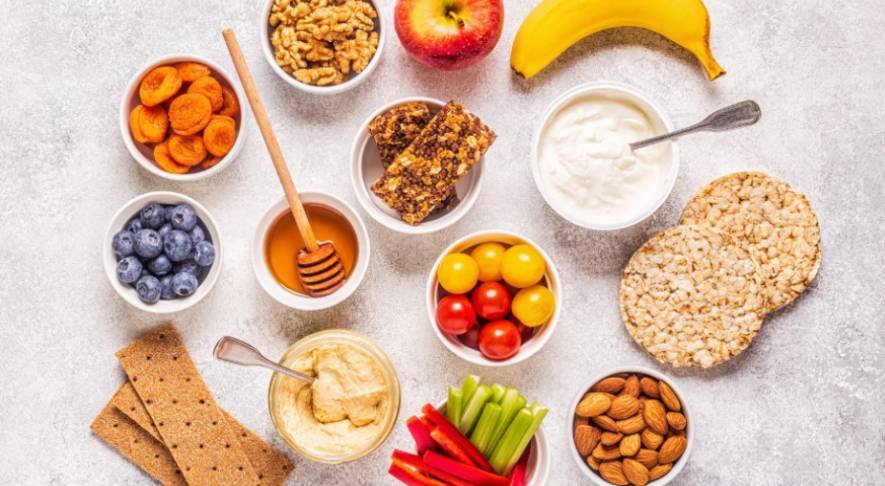
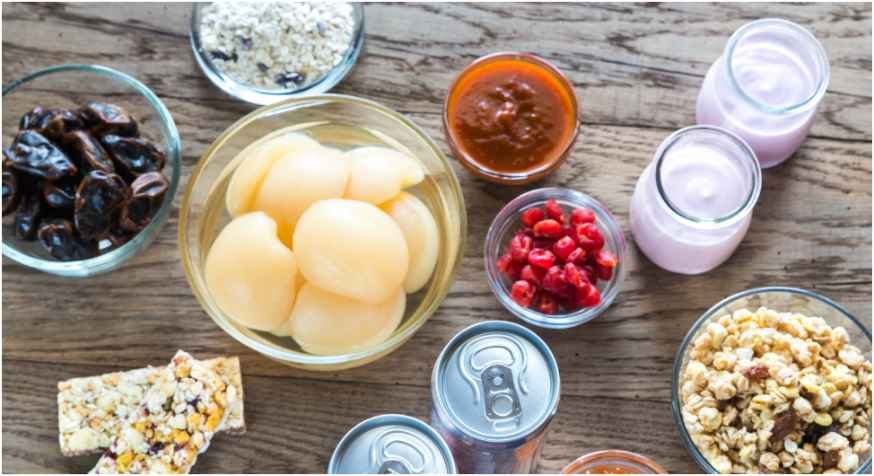
I learned how to reduce added sugar in everyday foods after realizing my “healthy” breakfast was sweeter than dessert. The problem was not one cookie. It was the flavored yogurt, sweetened coffee, bottled dressing, ketchup, granola, and snack bar adding up quietly.
Added sugar is not the same as natural sugar in plain milk or whole fruit. The FDA explains that added sugars include sugars added during processing, plus syrups, honey, and sugars from concentrated fruit or vegetable juices. The Nutrition Facts label also lists added sugars separately, which makes it easier to compare foods before buying them.
Most people do not eat added sugar only from candy. It often hides in foods that look practical, quick, or even healthy. Breakfast cereals, flavored oatmeal, bottled smoothies, protein bars, pasta sauce, ketchup, barbecue sauce, salad dressings, sweetened plant milk, and café drinks can all raise daily sugar intake.
The Dietary Guidelines recommendation is to keep added sugars below 10% of daily calories. For a 2,000-calorie diet, that equals 50 grams per day, which is also the FDA Daily Value for added sugars. The American Heart Association suggests an even lower daily target for heart health: no more than 25 grams for most women and 36 grams for most men.
That is why small swaps matter. One sweet drink and one flavored snack can use a large part of the daily limit before dinner.
Front labels can say “natural,” “organic,” “low-fat,” or “made with real fruit” and still contain added sugar. I now turn the package around before I trust the marketing.
The Nutrition Facts label shows total sugars and added sugars. Total sugars include natural sugars from foods like fruit and dairy. Added sugars are the ones added during processing or preparation.
A quick rule helps: 5% Daily Value or less is generally low, while 20% Daily Value or more is high. Dietary Guidelines materials use this rule to help shoppers judge added sugar on labels.
Learn to read nutrition labels correctly during your next grocery trip.
Sugar does not always appear as “sugar.” It can show up as high-fructose corn syrup, cane sugar, cane juice, dextrose, maltose, rice syrup, maple syrup, agave, honey, fruit juice concentrate, maltodextrin, or evaporated cane juice.
When several sweeteners appear in one ingredient list, I treat that as a warning. The food may not taste like dessert, but it may behave like one in my daily sugar total.

Breakfast is where added sugar sneaks into my day fastest. The fix is not skipping breakfast. The fix is choosing plain bases and adding flavor myself.
Plain Greek yogurt with raspberries and cinnamon tastes fresh without needing flavored syrup. Steel-cut oats with sliced banana, nuts, and nutmeg feel sweet enough after a few days of adjustment. Whole-grain toast with avocado and eggs gives steady energy without relying on sweet spreads.
This approach works because it keeps fiber, protein, and fat in the meal. Those three make breakfast more filling than a sugary cereal bowl that leaves me hungry two hours later.
Low-fat foods can be useful, but they deserve a label check. Some brands remove fat and add sugar to improve flavor. Flavored yogurt, flavored oatmeal packets, granola, and “light” dressings are common examples.
My rule is simple: buy plain first. Then add fruit, cinnamon, vanilla extract, or a small measured drizzle of sweetness when needed.

Drinks can carry a surprising amount of sugar because they do not feel like food. Soda, fruit juice, sweet tea, energy drinks, bottled coffee, and fancy café drinks can raise sugar intake quickly.
I did not remove sugar from coffee in one day. I reduced it slowly. Two teaspoons became one and a half. Then one. Then half. After a few weeks, heavily sweetened drinks started tasting too strong.
This gradual method trains taste buds without making the change feel punishing.
Water, sparkling water, unsweetened iced tea, green tea, and herbal tea are easy defaults. Lemon, mint, cucumber, ginger, or berries can add flavor without turning the drink into dessert.
Fruit juice needs caution too. Even 100% juice lacks the same fiber structure as whole fruit. I choose whole oranges, apples, or berries more often because they feel more satisfying.
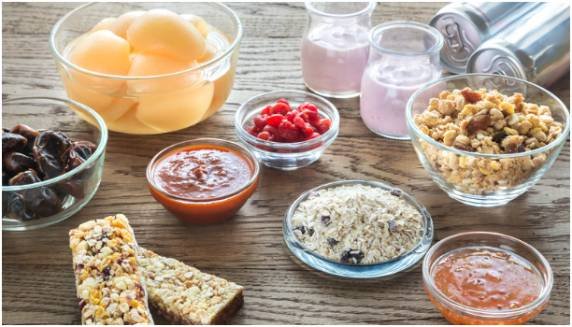
A low-sugar routine often fails because of the “small extras.” Sauces, dips, dressings, and snacks look harmless until they appear several times a day.
The CDC notes that ketchup, jarred pasta sauce, barbecue sauce, and salad dressings can hide added sugars even though they taste savory. It also points out that yogurt and protein bars may contain more sugar than expected, so comparing labels matters.
I now look for no-sugar-added pasta sauce, mustard instead of sweet barbecue sauce, salsa without added sugar, and homemade dressing made with olive oil, lemon juice, herbs, and pepper.
The easiest snack formula is protein plus fiber. A green apple with almonds works better than a fruit snack. Plain Greek yogurt with raspberries and cinnamon works better than sweetened yogurt. Carrots with hummus, boiled eggs, walnuts, cottage cheese, or roasted chickpeas can also help.
When I eat something sweet, I pair it with protein or fiber. A few squares of dark chocolate after dinner feel more balanced with nuts or berries than alone.
Cooking at home gives control over sugar without removing flavor. The goal is not bland food. The goal is better flavor from real ingredients.
Most cookie, muffin, quick bread, and brownie recipes can handle less sugar. I usually reduce sugar by one-third first. If the texture still works, I try reducing it by half next time.
Unsweetened applesauce, mashed banana, or pumpkin purée can add moisture and mild sweetness. They do not make a dessert sugar-free, but they help reduce the amount of added sugar needed.
Cinnamon, nutmeg, ginger, cardamom, vanilla extract, and citrus zest make food taste sweeter without adding much sugar. Roasted sweet potatoes, berries, bananas, apples, and pears can also bring natural sweetness with nutrients and fiber.
This is the trick that made the biggest difference for me. I did not remove pleasure from food. I moved sweetness from processed products to whole ingredients.
Here is a simple day I would actually follow.
Breakfast starts with two scrambled eggs, spinach, diced tomatoes, black pepper, and one slice of whole-grain or sourdough toast with mashed avocado. I drink black coffee, green tea, or a plain latte without flavored syrup.
Lunch is a large spinach or mixed-greens salad with grilled chicken breast or baked tofu. I add cucumbers, shredded carrots, pumpkin seeds, and a small sprinkle of feta. The dressing is olive oil and lemon juice instead of bottled sweet dressing.
For an afternoon snack, I choose raw almonds or walnuts with a small green apple. Another option is plain unsweetened Greek yogurt with raspberries and cinnamon.
Dinner is baked salmon or a grilled chickpea patty with garlic and herbs. I add quinoa or roasted sweet potato, plus roasted broccoli and asparagus tossed with olive oil.
Dessert stays simple. A few squares of 85% dark chocolate or a small bowl of berries works well. Chamomile or peppermint tea helps close the day without a sweet drink.
When people ask me how to reduce added sugar in everyday foods without feeling deprived, I suggest a seven-day reset. It is not a detox. It is a taste-bud retraining week.
For seven days, choose plain versions of foods you already eat. Buy plain yogurt, plain oats, unsweetened drinks, no-sugar-added sauces, and whole fruit. Reduce coffee sweetener by half. Keep dessert small, but do not ban it. Read every label before buying packaged snacks.
By day four or five, sweetened foods often taste stronger. That is the win. Your taste buds start noticing natural sweetness again.
Learning how to reduce added sugar in everyday foods is not about becoming strict or joyless. It is about taking back control from sneaky products that add sweetness where you did not ask for it.
Start with one place: your drink, breakfast, snack, or condiment shelf. Fix that first. Once one habit feels easy, move to the next. Your pantry does not need a dramatic breakup with sugar. It just needs better boundaries.
Start with drinks because soda, sweet coffee, juice, and sweet tea can add sugar fast.
Check the Added Sugars line and scan ingredients for syrup, cane sugar, dextrose, maltose, and juice concentrate.
Yes, whole fruit contains natural sugar plus fiber, water, vitamins, and minerals.
Reduce sweetness gradually, eat enough protein and fiber, and use cinnamon, vanilla, fruit, or nuts for flavor.