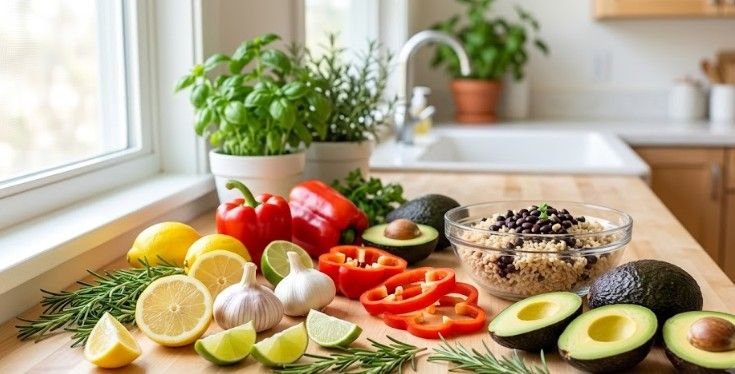
Learning how a low-sodium lifestyle protects your body can turn a stressful medical chore into an exciting, flavorful kitchen game. Think of your blood vessels as smooth highways. When too much salt enters your system, it acts like a giant traffic jam. One that forces your heart to work overtime just to pump blood through your body.
Cutting back on the salt shaker clears up the traffic instantly, giving you boundless natural energy while protecting your long-term cardiovascular wellness.
Building a beautiful meal around whole foods is the absolute foundation of long-term health success.
Choosing ingredients that come straight from nature ensures that you are nourishing your body without overloading your system with chemical preservatives. When you focus your grocery cart on single-ingredient items, you completely eliminate the stress of tracking complicated mathematical equations at the dinner table.

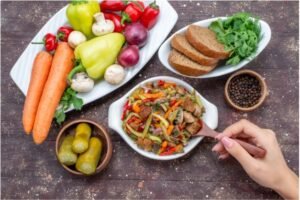
All fresh fruits like bananas, crisp apples, and sweet oranges contain virtually zero natural sodium while delivering essential vitamins to your body. Filling your plate with vibrant fresh vegetables such as spinach, sweet bell peppers, and roasted sweet potatoes naturally floods your bloodstream with heart-healthy potassium.
Selecting fresh or frozen chicken, lean turkey, beef, and wild seafood without added marinades or chemical broths keeps your baseline sodium incredibly low. Checking the fine print on raw meat packaging ensures that corporate manufacturers have not injected a hidden saline solution directly into the muscles.
Unsalted nuts, raw seeds, dried lentils, and split peas add more fibre. It provides excellent muscle-building power without any added factory salt. Pairing these with wholesome grains like brown rice, ancient quinoa, pearled barley, and rolled oats creates a comforting meal that keeps your heart wonderfully happy.
Learning where manufacturers hide sodium will completely transform your daily energy and health.
Highly processed convenience items and pre-packaged foods are the primary secret sources of excess salt in the modern western diet. Many grocery store products that do not even taste salty are actually loaded with sodium-based preservatives designed to extend shelf life.

Bacon, breakfast sausage, hot dogs, deli cold cuts, and cured fish are packed with massive amounts of sodium to prevent spoilage. These processed meats cause immediate water retention and risk your heart with diseases, making them a top item to leave off your weekly shopping list.
Frozen television dinners, jarred store pasta sauces, and traditional canned soups are notoriously packed with sodium to make up for a lack of fresh ingredients. Jarred pickles, green olives, commercial soy sauce, and processed potato chips similarly pack an entire day worth of salt into a single tiny serving.
Many beginners are completely shocked to learn that everyday grocery store bagels, flour tortillas, and instant baking mixes contain dense amounts of hidden sodium. Manufacturers use salt as a dough conditioner, meaning a single sandwich can easily exhaust your entire low-sodium budget before lunchtime arrives.
Taking control of your home kitchen allows you to become the master of your own physical wellness include anti inflammatory diet foods.
Transforming your daily routine into an effortless habit simply requires a few clever lifestyle adjustments when navigating the grocery store aisles. Implementing these quick culinary practices ensures you never have to sacrifice the delicious joy of a comforting, savory meal.

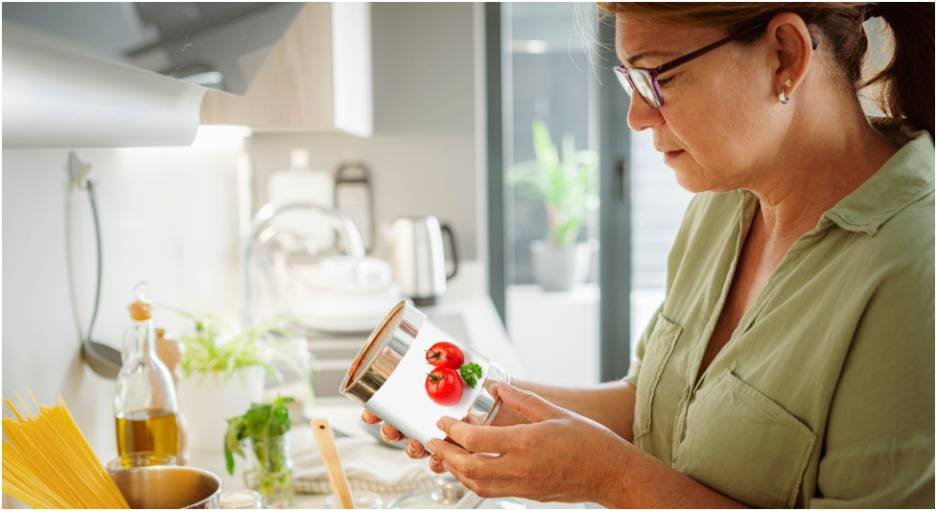
Flipping any package over to inspect the nutrition facts label gives you immediate power over what goes into your body. Look for options that contain five percent Daily Value or less of sodium per serving to guarantee you are buying a genuinely heart-healthy product.
Dumping your canned black beans, chickpeas, or diced tomatoes into a mesh strainer under cold running tap water works literal wonders. This simple household habit washes away up to forty percent of the preserving sodium liquid without changing the texture of your food.
Sautéing fresh minced garlic, grated ginger, chopped onions. Along with cracked black pepper in extra virgin olive oil creates a deeply flavorful foundation for any recipe. Finishing your hot dishes with a lively squeeze of fresh lemon juice or lime juice mimics the natural bite of table salt beautifully.
The absolute best options are fresh fruits, raw vegetables, whole grains, and unmarinated fresh proteins. These natural, single-ingredient choices are naturally low in salt and packed with vital minerals that actively protect your blood pressure.
Yes, whole eggs are an incredible, nutrient-dense option for a low sodium diet food plan since one large egg contains less than seventy milligrams of natural sodium. Just be sure to season them with cracked black pepper or garlic powder instead of salt.
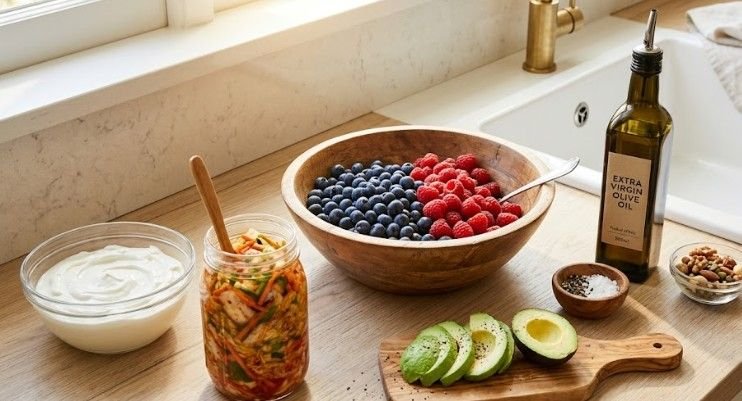
Enjoy fresh apples, raw broccoli, brown rice, steel-cut oats, fresh chicken breast, whole eggs, unsalted almonds, olive oil, fresh avocado, dried lentils, and frozen berries. These kitchen staples are naturally low in salt and packed with vital everyday nutrition.
Air-popped popcorn tossed with nutritional yeast, fresh apple slices dipped in unsalted peanut butter, and homemade kale chips baked with paprika are fantastic options. They satisfy your crunch cravings beautifully without relying on processed, high-sodium factory preservatives.
Adopting a vibrant lifestyle centered around wholesome low sodium diet food is an incredibly rewarding gift for your body and your heart health. Focusing your energy on the abundance of fresh, colorful, single-ingredient whole foods rather than focusing on restrictions makes this transition smooth and sustainable.
You will quickly discover that real, home-cooked food possesses a beautiful, rich depth of natural flavor that never needed a mountain of salt in the first place.