Some days, I finish a meal comfortably satisfied. On others, I eat more than I need because the plate is large or I am distracted. That is why I follow portion control tips for everyday meals that feel practical instead of restrictive. The goal is not to eat tiny amounts. It is to build balanced plates, notice hunger, and enjoy food without measuring every bite.
A serving size is the standard amount shown on a food label. A portion is the amount you choose to eat. A package may contain several servings, so check the serving size and servings per container.
Portion needs vary with age, activity, health, appetite, and life stage. Treat guides as flexible starting points rather than strict rules.
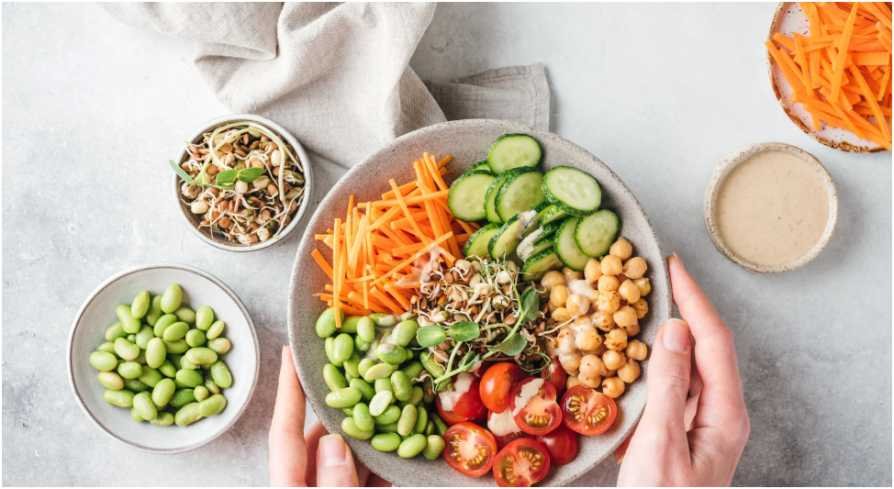
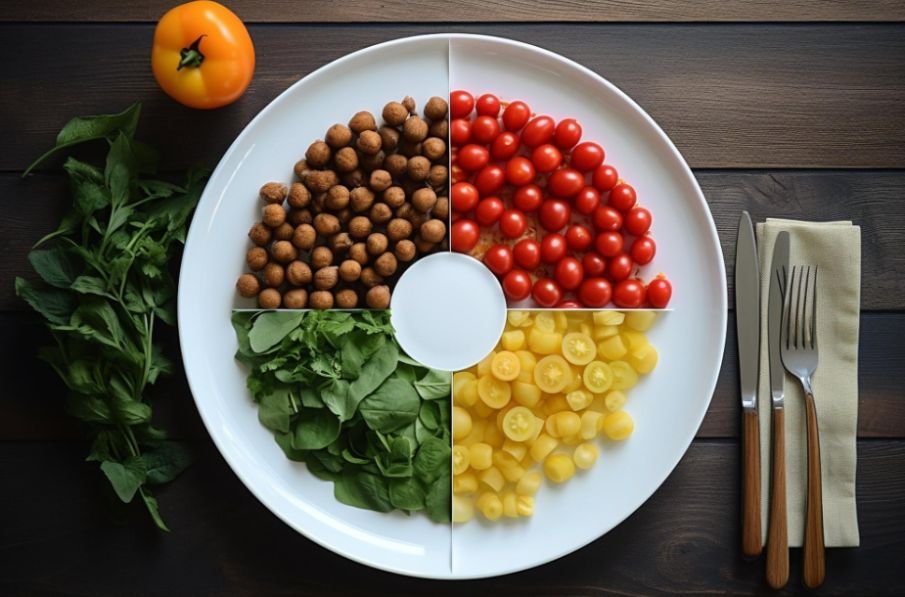
Fill about half your plate with vegetables or a mix of vegetables and fruit. Use roughly one quarter for protein and one quarter for rice, pasta, potatoes, bread, or another carbohydrate.
Mixed meals such as tacos, curries, casseroles, and grain bowls can follow the same idea by combining vegetables, protein, and a moderate amount of starch.
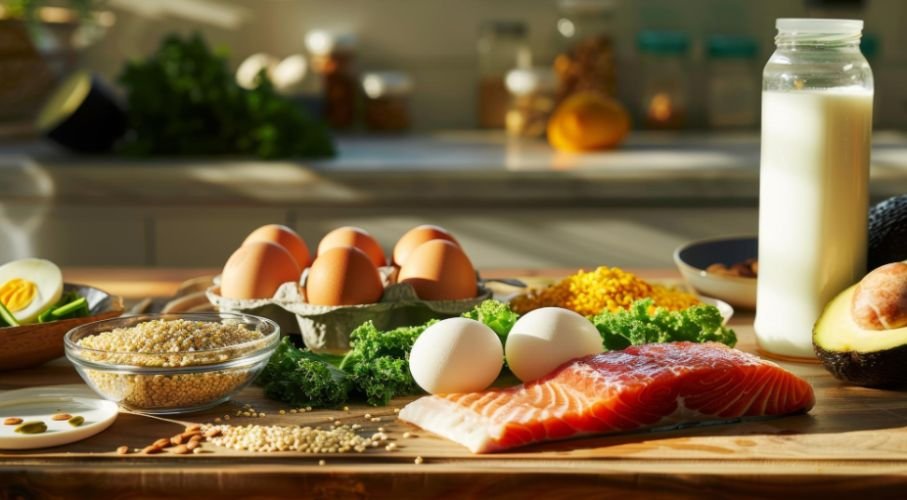
Protein and fiber help meals feel satisfying. Eggs, yogurt, beans, lentils, fish, poultry, tofu, whole grains, vegetables, and fruit are useful choices.
Instead of only reducing a large pasta serving, add protein and more vegetables. The meal stays enjoyable while becoming more balanced.
Nuts, cheese, avocado, granola, oils, dressings, and nut butter provide nutrients and flavor, but portions can grow quickly. Measure them occasionally until you recognize a comfortable amount.
Your hand is a convenient visual guide. A palm-sized amount can estimate protein, a fist can guide grains or starches, and a thumb can help with oils, spreads, or dressings.
These comparisons are approximate. Cups, small bowls, and spoons can also teach you what common serving sizes look like.
Breakfast is more satisfying when it includes protein and fiber. Try oatmeal with yogurt and berries, eggs with vegetables and toast, or explore healthy protein shake recipes made with fruit, yogurt, milk, or another protein source.
Pour cereal into a bowl instead of eating directly from the box. Oversized dishes can make a normal portion look too small.
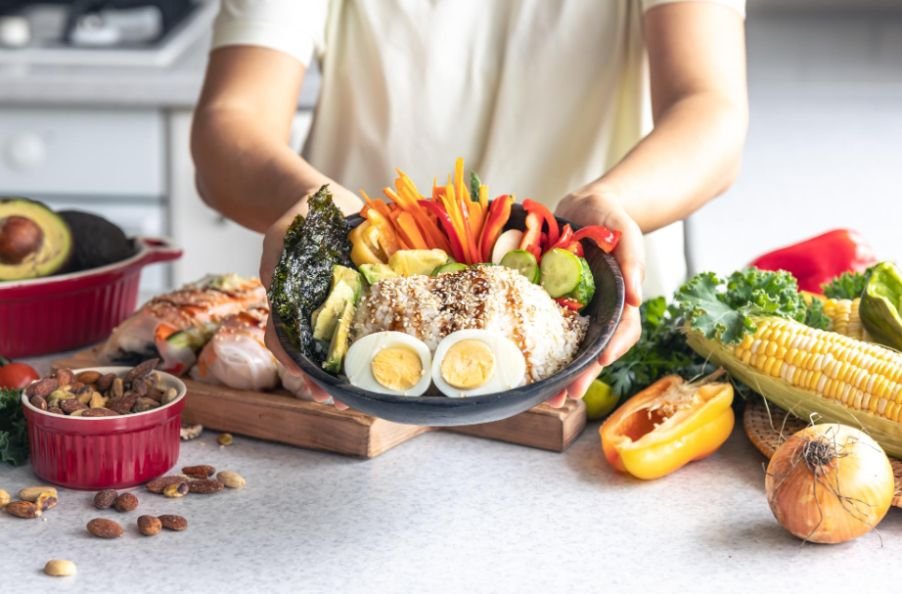
A useful lunch formula is protein, vegetables or fruit, a high-fiber carbohydrate, and some fat. Pair a sandwich with vegetables and fruit instead of a large bag of chips.
Divide leftovers into individual containers. Ready-made portions simplify lunch and reduce repeated scooping.
Serve meals on individual plates when possible. Large serving dishes within reach can encourage extra helpings before you check whether you are still hungry.
After finishing, pause before taking seconds. If hunger remains, eat more. Start with vegetables, protein, or another satisfying part of the meal.
Family-style meals can still work. Use smaller serving spoons, offer vegetables, and avoid pressuring anyone to clean the plate. Children and adults often need different amounts.
Place crackers, popcorn, nuts, or dried fruit in a small bowl instead of eating directly from the package.
For a filling snack, combine food groups. Fruit with yogurt, vegetables with hummus, or whole-grain crackers with cheese can provide more satisfaction than one snack food alone.
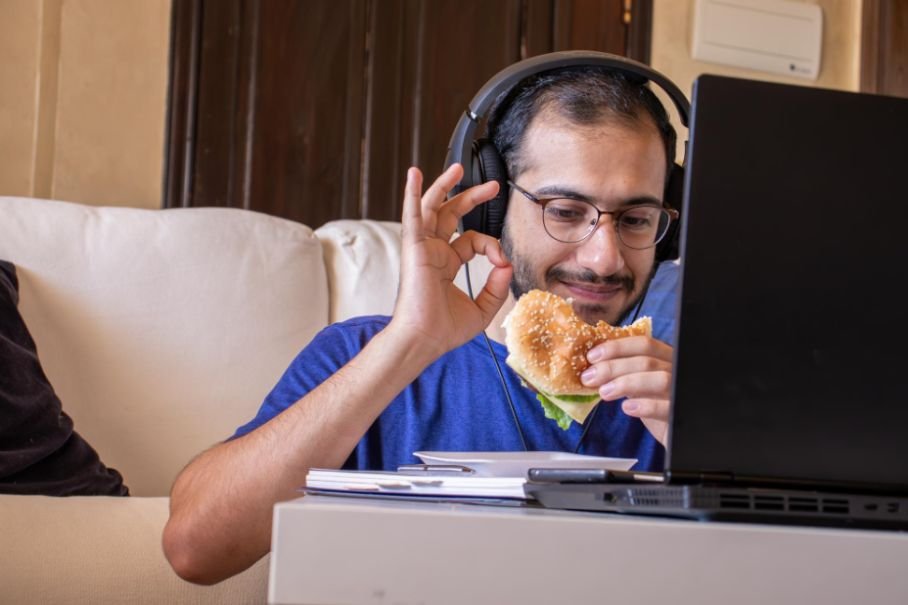
Eating while scrolling, working, driving, or watching television makes it harder to notice how much you consume. Sit down when possible, reduce distractions, chew slowly, and pay attention.
Practising mindful eating alongside consistent habits for healthy weight loss can make portion control feel more natural and support gradual, sustainable progress without rigid restrictions.
Check hunger before eating and fullness afterward. Aim to finish comfortably satisfied. Drink water regularly, but do not use it to ignore genuine hunger.
Restaurant meals may be large enough for more than one sitting. Share an entrée, order a smaller option, choose an appetizer with a side dish, or save part for later.
Request dressings and rich sauces on the side when useful. Dessert can still fit. Share it, choose a smaller serving, or take the remainder home.
Skipping meals to “save room” can create intense hunger and make portions harder to judge. Eating directly from packages, using oversized plates, and assuming nutritious foods are unlimited may also lead to overeating.
These flexible portion habits can also help you manage weight without strict dieting by emphasizing balanced meals, consistent routines, and satisfaction instead of rigid food restrictions.
Do not rely only on smaller dishes. A small plate with little protein or fiber may leave you hungry. What is on the plate matters as much as its size.
Use the balanced plate method, serve food before sitting down, portion snacks into bowls, check servings per container, and pause before taking seconds. These habits reduce guesswork without constant weighing.
Yes. Visual plate proportions, hand comparisons, regular meal timing, and hunger cues can guide portions. Calorie counting is not necessary for everyone.
No. Appetite changes with activity, sleep, stress, and earlier meals. Save leftovers when satisfied. Start with a moderate amount and take more when needed.
Include protein, fiber-rich carbohydrates, vegetables, fruit, and enough fat. Eat slowly and avoid skipping meals. If you remain physically hungry after pausing, increase the portion.
I have learned that useful portion habits come from awareness rather than perfection. I can prepare balanced plates, portion snacks before eating, slow down, and still enjoy restaurants, celebrations, and favorite desserts.
Some days I need more food, especially after greater activity. Other days I naturally want less. Respecting those changes makes eating calmer and more sustainable. The best approach leaves me nourished, satisfied, and able to enjoy meals without guilt.