I like my regular meals, and I do not enjoy dramatic food makeovers. That is why learning how to eat more fiber without changing your diet became one of the easiest nutrition upgrades I have ever made. I kept the same tacos, pasta, rice bowls, soups, snacks, and breakfasts. I simply changed what went inside them.
Fiber matters because most Americans do not get enough. Harvard’s Nutrition Source says adults need at least 25 to 35 grams daily, while most Americans get about 15 grams. Fiber supports fullness, digestion, blood sugar control, and bowel regularity. The FDA also recognizes certain fibers for benefits like lowering blood glucose, lowering cholesterol, reducing calorie intake, and increasing bowel movement frequency.
The usual advice says to eat more vegetables, switch to whole grains, and add beans. That advice is useful, but it can feel like a full diet change. I prefer a quieter method.
The trick is not replacing your whole plate. It is making your current plate work harder. When I add lentils to taco meat, beans to sauces, seeds to yogurt, or popcorn to snack time, I do not feel restricted. I just get more fiber from food I already enjoy.
This approach also helps avoid digestive shock. A sudden jump in fiber can cause gas, bloating, or discomfort. Increasing slowly and drinking enough fluids makes the change easier.

One of my favorite fiber tricks is the lentil stretch. I replace about 30% of ground meat with cooked brown lentils in tacos, burgers, meat sauce, sloppy joes, or bolognese.
Lentils absorb seasoning well. In taco meat, they blend into the texture instead of standing out. The meal still tastes familiar, but it becomes more filling and fiber-rich.
This is a smart move for anyone searching for easy ways to increase fiber intake without eating a separate “healthy” side dish.
White beans are almost invisible in creamy meals. I mash canned cannellini or navy beans into mashed potatoes, potato soup, creamy pasta sauce, or casseroles.
They add body without changing the color much. They also make sauces feel thicker, which helps when I want comfort food that still supports digestion.
For best results, rinse canned beans first. Then blend or mash them before adding them to the dish.
If plain white rice is part of your routine, do not remove it. Mix it. I like replacing half the rice with cooked pearl barley.
Barley has a chewy bite, so it fits well in rice bowls, soups, stuffed peppers, and meal-prep containers. This adds more soluble fiber while keeping the meal familiar.
A simple ratio works best: half rice and half barley. That way, the texture changes slightly, not dramatically.
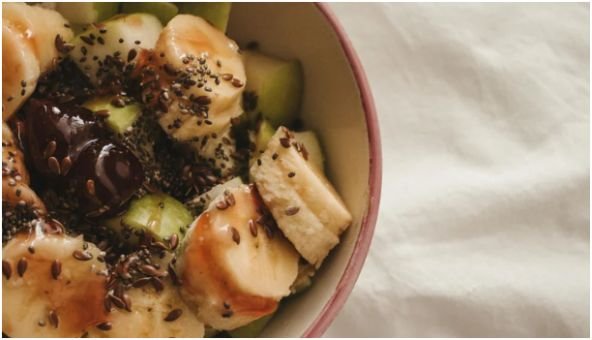
Chia seeds and ground flaxseeds are small but powerful. I stir one tablespoon into yogurt, oatmeal, smoothies, pancake batter, or overnight oats.
This adds fiber without increasing the meal size much. Ground flax works better in baked foods and oatmeal. Chia works well in yogurt and smoothies because it thickens slightly.
This is one of the easiest healthy fiber swaps because it takes less than 10 seconds.
This is the laziest upgrade, and I mean that as a compliment. I buy higher-fiber versions of foods I already use.
High-fiber bread, whole-wheat pasta, bean-based pasta, high-fiber tortillas, and cereals with at least 5 grams of fiber per serving can quietly improve your day.
You still eat toast, pasta, wraps, and cereal. You just choose versions that give you more fiber per bite.
Unflavored psyllium husk or wheat dextrin can help when food alone is not enough. The FDA notes that certain isolated or synthetic fibers can count as dietary fiber when they show beneficial physiological effects.
I treat supplements as backup, not the main plan. Start small, follow the label, and drink enough water. Psyllium can thicken quickly, so mix and drink it right away.
People with digestive conditions, swallowing issues, or medication schedules should ask a clinician first.

Peeling fruits and vegetables removes useful fiber. I keep skins on apples, pears, peaches, cucumbers, and potatoes when the recipe allows it.
This habit takes no extra cooking. Just wash produce well and keep the edible skin.
The “fiber first” sequence is simple. If vegetables, salad, beans, or fruit are already on the plate, eat them first.
This does not change the meal. It changes the order. It may also help you feel satisfied sooner because fiber slows digestion and supports fullness. Harvard notes that fiber helps regulate the body’s use of sugars and supports hunger control.
Air-popped popcorn is my favorite snack swap. It is a whole grain and gives a crunchy, salty snack feeling without needing chips.
Three cups of air-popped popcorn can offer nearly 4 grams of fiber. Add light seasoning, not heavy butter, if you want it to stay useful.
Here is a realistic example of how I would increase fiber without changing my normal meals.
On day one, I add ground flax to breakfast yogurt and keep the skin on my apple. On day two, I mix lentils into taco meat and choose a high-fiber tortilla. On day three, I add white beans to creamy soup and snack on popcorn.
That small plan can add several grams of fiber daily without turning meals into salad punishment. It also keeps fiber increases gradual, which helps reduce bloating.
You do not need to break up with your favorite meals. You just need to make them carry more fiber. Start with one invisible change this week: lentils in meat, beans in sauce, seeds in breakfast, barley in rice, or popcorn at snack time.
That is the real answer to how to eat more fiber without changing your diet: upgrade the food you already trust, keep it gradual, and let your gut enjoy the quiet glow-up.
Add chia, ground flax, lentils, beans, barley, high-fiber bread, or popcorn to meals you already eat.
Start with one tablespoon of chia or ground flax in yogurt, oatmeal, or smoothies.
Yes, use invisible swaps like lentils in meat, beans in sauces, and high-fiber versions of regular groceries.
You may be adding too much too fast, so increase slowly and drink more water.