A colorful plate can do more than look pretty. This anti inflammatory diet food list helps make daily meals simpler, smarter, and friendlier for beginners who want better food choices without feeling trapped by strict diet rules.
Inflammation is not always bad. Your body uses it to heal cuts, fight germs, and recover from stress. The problem begins when poor food habits, low fiber meals, sugary drinks, fried snacks, and processed foods become everyday patterns. That is when healthy eating can make a real difference.
What Is An Anti-Inflammatory Diet?
This eating style is all about choosing foods that support your body instead of overwhelming it.
Simple Meaning
An anti-inflammatory diet is a food pattern built around ultra and minimally processed ingredients. Fruits, vegetables, whole grains, beans, fish, nuts, seeds, olive oil, herbs, and spices are the main players.
It is not a short crash diet or a magic cleanse. It is a steady way of eating that gives your body more fiber, vitamins, minerals, antioxidants, and healthy fats across the week.
Real Life Goal
The real goal is balance. You do not need to remove every favorite food from your kitchen. You simply make anti-inflammatory foods appear more often on your plate.
For example, you might add blueberries to breakfast, spinach to lunch, salmon to dinner, and green tea instead of a sugary drink. Small swaps can build a strong routine.
Key Anti-Inflammatory Foods
These foods are easy to find, simple to cook, and useful for everyday healthy eating.
Fatty Fish
Salmon, mackerel, sardines, tuna, and herring are rich in omega-3 fatty acids. These healthy fats are one reason fatty fish is often recommended in anti-inflammatory meal plans.
Try baked salmon with quinoa and broccoli, sardines on whole-grain toast, or tuna in a salad with olive oil dressing. Two fish meals a week can be a realistic starting point for many beginners.
Fruits
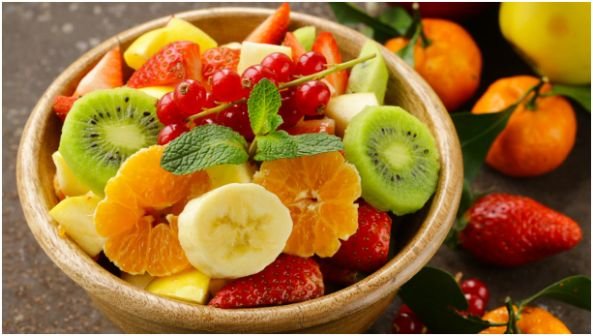
Blueberries, strawberries, oranges, apples, cherries, grapes, and pomegranates bring antioxidants, fiber, and natural sweetness. Berries are especially easy because they work in oatmeal, yogurt, smoothies, and snacks.
Fruit also helps replace sugary desserts in a gentle way. Instead of forcing yourself to quit sweets overnight, start by adding fruit after meals or keeping washed berries ready in the fridge.
Vegetables
Spinach, kale, broccoli, bell peppers, carrots, tomatoes, onions, mushrooms, and cauliflower are strong choices. Leafy greens and colorful vegetables bring fiber, vitamins, minerals, and protective plant compounds.
A simple trick is to eat more vegetables with meals you already eat. Put spinach in eggs, peppers in wraps, broccoli with rice, or tomatoes into pasta. Healthy eating becomes easier when it feels familiar.
More Foods To Add
These pantry-friendly foods make the diet easier to follow every day.

Nuts And Seeds
Walnuts, almonds, chia seeds, flaxseeds, pumpkin seeds, and hemp seeds are small but powerful. They add healthy fats, plant protein, minerals, and crunch to meals.
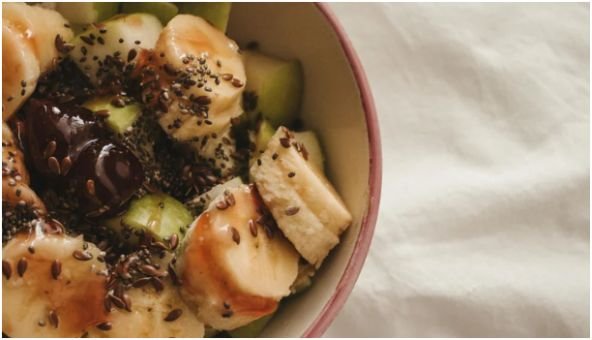
Sprinkle chia seeds into yogurt, add walnuts to oatmeal, or keep almonds as a simple snack. Use small portions because nuts and seeds are nutrient-dense and filling.
Healthy Oils
Extra-virgin olive oil is one of the best oils for this eating style. It works well in salad dressings, roasted vegetables, grain bowls, and simple dips.
Use olive oil instead of butter-heavy sauces or creamy packaged dressings when possible. The goal is not to drown food in oil, but to use better fats in smarter amounts.
Whole Grains
Oats, quinoa, brown rice, barley, farro, whole wheat bread, and whole grain pasta give steady energy and fiber. They are better everyday choices than refined white bread, sugary cereals, and pastries.
Whole grains also make meals satisfying. A bowl with brown rice, beans, vegetables, avocado, and olive oil dressing can feel hearty without relying on fried or processed foods.
Flavor Boosters That Help
Healthy food should taste good, or it will not last.
Spices And Teas

Turmeric, ginger, garlic, cinnamon, black pepper, rosemary, and oregano can make simple meals taste warm and rich. These ingredients are often used in anti-inflammatory cooking because they contain helpful plant compounds.
Green tea is another easy add-on. It can replace soda, sweet tea, or extra coffee during the day. Drink it plain or with lemon for a fresh, simple habit.
Fermented Foods
Yogurt, kefir, kimchi, sauerkraut, miso, and tempeh can support gut-friendly eating. A healthy gut is closely connected to better overall food balance and digestion.
Choose plain yogurt or kefir when possible, because flavored versions can contain a lot of added sugar. Add fruit, cinnamon, or nuts for natural flavor.
Foods To Limit
Knowing what to reduce makes the list more complete.
Refined Carbs
White bread, regular pastries, sugary cereals, cookies, cakes, and many packaged snacks are low in fiber and easy to overeat. They digest quickly and often leave you hungry again.
You do not have to ban them forever. Just choose healthy carbs. Start by replacing one refined carb each day with oats, quinoa, brown rice, sweet potatoes, beans, or whole grain bread.
Trans Fats And Fried Foods
Fried fast foods, packaged pastries, shortening, and some ultra-processed snacks can work against your healthy eating goals. These foods are often high in unhealthy fats, salt, and calories.
Try roasting, grilling, baking, or air frying instead. Crispy roasted chickpeas, baked sweet potato wedges, and oven-baked fish can still feel satisfying.
Sugary Drinks And Processed Meats
Soda, sweet tea, energy drinks, processed juices, bacon, hot dogs, sausage, pepperoni, and deli meats are best kept occasional. They add sugar, sodium, or processed ingredients without much nutritional value.
A friendlier swap is water with fruit, green tea, sparkling water, grilled chicken, beans, lentils, eggs, tofu, or fish. These choices support fuller, cleaner meals.
How To Use The List
Here is how to bring an anti inflammatory diet food list into normal life without stress.

Start With Breakfast
Begin with one meal instead of changing your whole kitchen. Breakfast is a great place to start because oats, berries, yogurt, chia seeds, walnuts, and cinnamon are easy to combine. A simple bowl of oatmeal with blueberries and walnuts gives fiber, antioxidants, healthy fats, and steady energy. That is a strong start without complicated cooking.
Build A Better Plate
At lunch or dinner, fill half your plate with vegetables or fruit. Add one protein such as salmon, beans, eggs, tofu, yogurt, or chicken. Then add a whole grain like quinoa, oats, brown rice, or whole wheat bread.
Finish with a healthy fat such as olive oil, avocado, nuts, or seeds. This simple plate method works for bowls, salads, wraps, soups, and leftovers.
Shop With A Plan
Before shopping, choose two fruits, three vegetables, one whole grain, one bean or lentil, one healthy fat, and one protein. This keeps your cart focused and your meals flexible.
Keep basics like oats, brown rice, canned beans, olive oil, frozen berries, frozen spinach, turmeric, ginger, and green tea at home. These staples make healthy eating easier on busy days.
Frequently Asked Questions
1. What Are The Strongest Anti-Inflammatory Foods?
The strongest choices include berries, leafy greens, salmon, sardines, olive oil, walnuts, chia seeds, beans, turmeric, ginger, green tea, and fermented foods because they provide fiber, antioxidants, and healthy fats.
2. What Is The 21 Day Anti-Inflammatory Diet?
The 21 day anti-inflammatory diet is a short eating plan that focuses on whole foods, colorful produce, lean proteins, fatty fish, whole grains, nuts, seeds, and fewer processed or sugary foods.
3. What Is The Best Anti-Inflammatory Diet?
The best anti-inflammatory diet is usually a Mediterranean-style pattern because it includes vegetables, fruits, fish, olive oil, beans, whole grains, nuts, herbs, and balanced meals that are easy to repeat.
4. How Do You Flush Out Inflammation In Your Body?
You cannot flush inflammation instantly, but you can support your body with water, sleep, movement, stress control, fiber-rich meals, omega-3 foods, and fewer fried, sugary, and ultra-processed items from your anti inflammatory diet food list.
Final Bite: Eat Bright, Feel Right
A smart anti inflammatory diet food list makes healthy eating feel less like a rulebook and more like a colorful kitchen guide. Start with fruits, vegetables, fatty fish, nuts, seeds, olive oil, whole grains, spices, teas, and fermented foods.
Reduce refined carbs, trans fats, fried foods, sugary drinks, and processed meats. Keep it simple, stay consistent, and let better meals become your everyday rhythm.