When I first learned how to plan balanced meals for the week, I stopped trying to cook something new every day. That single change made my meals healthier, cheaper, and easier to stick with. The real trick is not creating a perfect menu; it is building a repeatable system that works when life gets busy.
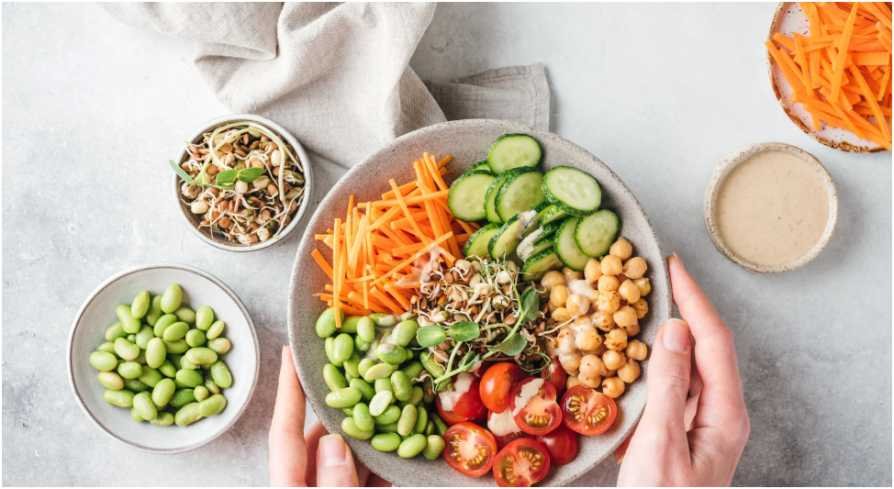
A balanced weekly meal plan should include vegetables, fruits, lean protein, whole grains, complex carbs, and healthy fats. Harvard’s Healthy Eating Plate recommends using vegetables and fruits for half the plate, whole grains for one-quarter, and healthy protein for one-quarter. It also encourages healthy oils in moderation.
Most people make meal planning harder than it needs to be. They sit down on Sunday and try to plan seven breakfasts, seven lunches, seven dinners, and multiple snacks. That looks organized on paper, but it becomes exhausting in real life.
I plan fewer meals and use them in smarter ways. Three strong dinner ideas can cover most of the week when leftovers become lunches. Two breakfast options are enough to avoid boredom without making mornings complicated. One flexible prep ingredient can support salads, bowls, wraps, and quick dinners.
This approach helped me waste less food because I started buying ingredients that overlapped. Spinach could work in eggs, salads, pasta, and curry. Brown rice could support salmon, turkey chili, tofu bowls, and vegetable stir-fries. That is the difference between a random grocery haul and a real weekly food plan.
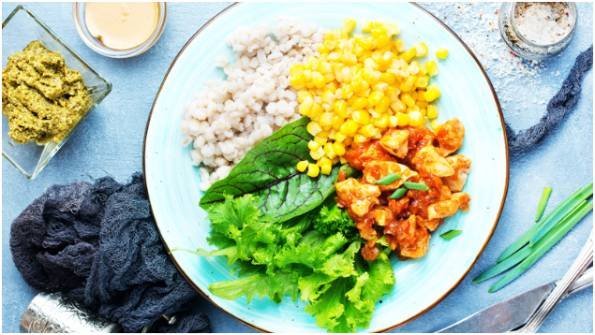
The easiest way to understand how to plan balanced meals for the week is to start with the plate. I use the plate formula before I pick recipes because it keeps every meal balanced without calorie counting.
USDA’s MyPlate also encourages building meals around food groups, including fruits, vegetables, grains, protein foods, and dairy or fortified alternatives.
Vegetables and fruits should take up the most space in your weekly plan. I usually start with non-starchy vegetables because they add volume, fiber, color, and crunch.
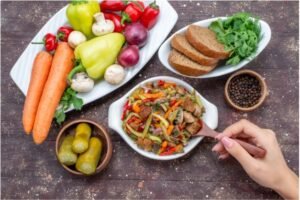
Spinach, broccoli, bell peppers, cucumbers, tomatoes, carrots, zucchini, onions, and leafy greens are easy to reuse. Fruit works well at breakfast or snack time. Berries, apples, bananas, oranges, grapes, and pears are simple choices.
Frozen vegetables and fruits can also help. They last longer, reduce waste, and make quick meals easier. The key is choosing options with no or limited added sugars when possible.
Protein makes meals more filling. I plan one protein source for every major meal. Good options include chicken breast, turkey, fish, eggs, tofu, lentils, chickpeas, beans, Greek yogurt, cottage cheese, and tempeh.
For a normal week, I prefer two main proteins. One can be animal-based, like chicken or salmon. The other can be plant-based, like lentils or chickpeas. This gives variety without doubling the prep work.
If lunch often feels weak, protein is usually the missing piece. A salad with only lettuce and dressing rarely holds me for long. Add chicken, tuna, eggs, tofu, beans, or chickpeas, and it becomes a real meal.
Whole grains and complex carbs give meals steady energy. Brown rice, quinoa, oats, barley, sweet potatoes, whole-wheat pasta, and whole-grain bread are practical weekly staples.
Harvard’s Healthy Eating Plate recommends choosing whole grains over refined grains because whole grains have a gentler effect on blood sugar and insulin.
I usually cook one grain base for the week. Quinoa works in salads, bowls, and warm dinners. Brown rice pairs well with fish, chili, beans, tofu, and vegetables. Oats make breakfast easy when mornings are rushed.
Healthy fats help meals taste better and feel more satisfying. I use olive oil, avocado, nuts, seeds, nut butter, or tahini in small amounts.
A spoon of peanut butter can make apple slices more filling. Chia seeds can upgrade overnight oats. Olive oil can turn chickpeas and vegetables into a better lunch. The point is balance, not drowning every meal in dressing.
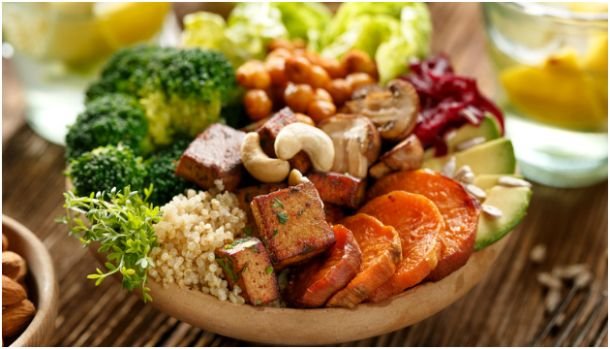
My favorite method for how to plan balanced meals for the week is simple: plan three dinner bases, two breakfast options, and one flexible prep ingredient. I call it the 3-2-1 system because it keeps decisions low and variety high.
Pick three dinners that share ingredients. This saves money and keeps your grocery list shorter.
For example, one week could include baked salmon with brown rice and greens, lentil curry with carrots and tomatoes, and turkey chili with zucchini and beans. These meals use overlapping vegetables, grains, and pantry items.
You can cook each dinner once and use leftovers for lunch. That gives you balanced meals without cooking from scratch every day.
Breakfast should feel automatic. I usually choose one cold option and one hot option.
Overnight oats with chia seeds, berries, and Greek yogurt work well when I need something ready in the morning. Scrambled eggs or tofu with spinach, tomatoes, and whole-grain toast work better when I want a warm meal.
Both options include protein, fiber-rich carbs, and produce. That makes breakfast more balanced than coffee and a sweet pastry.
One flexible prep ingredient can carry the whole week. It might be roasted vegetables, cooked quinoa, brown rice, shredded chicken, washed greens, or chopped salad vegetables.
My favorite is roasted vegetables. I roast two trays with broccoli, carrots, onions, zucchini, and bell peppers. They go into eggs, bowls, wraps, salads, and dinners.
This is where weekly meal prep becomes realistic. You are not preparing everything. You are preparing the pieces that save the most time.
Before I shop, I audit my fridge, freezer, and pantry. This step sounds small, but it prevents duplicate buying and food waste, reducing added sugar in everyday foods.
Then I write my grocery list by section: produce, protein, grains, dairy or alternatives, pantry items, and snacks. This keeps the trip focused and reduces impulse buys.
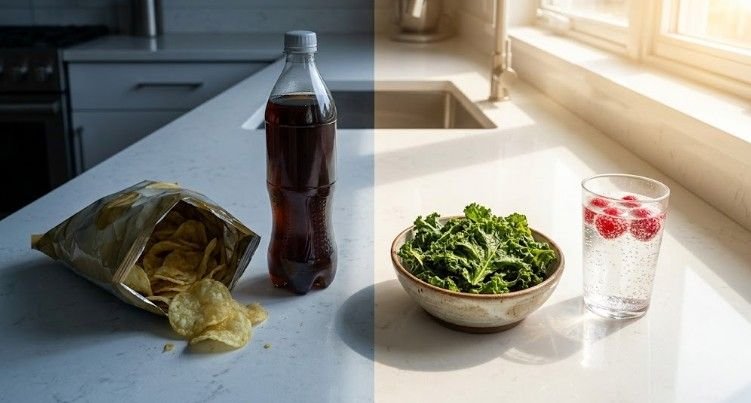
I also check labels on packaged foods, especially sauces, cereals, flavored yogurts, and snack bars. The FDA says the Daily Value for added sugars is 50 grams per day based on a 2,000-calorie diet.
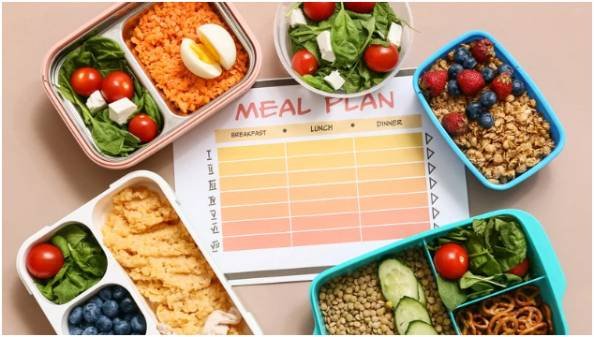
Meal prep should make the week easier, not ruin your weekend. I prefer a short prep session with high-impact tasks.
First, cook one grain such as brown rice, quinoa, or oats. Next, prepare one protein such as lentils, chicken, eggs, tofu, or turkey. Then wash and chop hardy vegetables like carrots, peppers, onions, and cucumbers.
I also keep backup foods ready. Frozen vegetables, canned beans, canned tomatoes, tuna, oats, and whole-grain bread can rescue a meal when plans change.
Storage matters too. Keep grains, proteins, and vegetables in separate containers. Add sauces later so meals do not get soggy. Clear containers help because you can see what needs to be used first.
Here is a simple example of how to plan balanced meals for the week without making the plan complicated.
For breakfast, rotate overnight oats with chia seeds, berries, and Greek yogurt with scrambled eggs or tofu, spinach, tomatoes, and whole-grain toast.
For lunch, use leftovers. Try grilled chicken with roasted sweet potatoes and broccoli one day. Try a chickpea quinoa salad with cucumbers, bell peppers, greens, and olive oil the next day.
For dinner, rotate baked salmon over brown rice with sautéed greens, lentil curry with carrots and tomatoes, and turkey chili with zucchini and beans.
For snacks, keep it simple. Greek yogurt with almonds, apple slices with peanut butter, carrots with hummus, cottage cheese with fruit, or boiled eggs all work well.
This plan repeats ingredients without making every meal taste the same. That is what makes it easier to follow.
The first mistake is planning too many recipes. More recipes mean more ingredients, more cooking, and more cleanup.
The second mistake is forgetting snacks. If snacks are not planned, hunger usually picks the fastest option. A balanced snack should include protein, fiber, or healthy fat.
The third mistake is ignoring flavor. Balanced food should not taste like punishment. Use garlic, ginger, lemon, lime, salsa, vinegar, herbs, spices, mustard, or yogurt-based sauces.
The fourth mistake is planning meals that do not match your schedule. If Wednesday is packed, do not plan a 45-minute dinner. Use leftovers, eggs, a grain bowl, or a freezer-friendly option.
Learning how to plan balanced meals for the week is not about becoming the kind of person who labels every container in perfect handwriting. It is about making your future self less annoyed, less hungry, and less likely to order takeout because nothing makes sense in the fridge.
Start with the balanced plate. Choose three dinners, two breakfasts, and one flexible prep ingredient. Shop with intention. Prep only what helps.
That is the meal planning sweet spot. Simple enough to repeat. Balanced enough to support your health. Flexible enough to survive real life.
Use the half-plate vegetables and fruits, one-quarter protein, and one-quarter whole grain formula.
Choose recipes with overlapping ingredients and use leftovers for lunches.
Yes, the balanced plate method helps manage portions without tracking every calorie.
Prep three dinners, two breakfasts, and a few snacks to keep the week flexible.