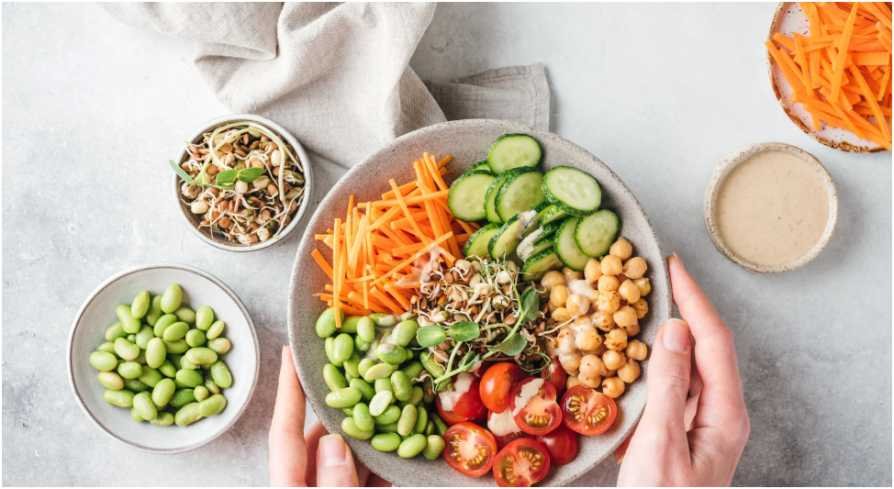

Craving a sweet treat right now is completely normal, and you are definitely not alone in this daily struggle. Many of us find ourselves reaching for cookies or soda when the afternoon slump hits or after a stressful meeting. Walking into the kitchen for an intentional, healthy snack instead of a sugary treat can feel like an uphill battle, but it becomes much easier once you understand exactly what your body is trying to tell you.
Learning how to stop sugar cravings is not about punishing yourself or relying purely on willpower; it is about giving your system the steady, clean fuel it actually needs.
When you consume processed treats, your brain lights up and releases a feel-good chemical called dopamine. This is the exact same reward pathway that responds to habits, creating an instant feeling of comfort and happiness. Over time, your brain begins to associate stress, boredom, or tiredness with that quick sweet reward, turning an occasional treat into an automatic habit loop.
Another major culprit behind these sudden urges is the classic blood sugar rollercoaster ride. Eating refined carbohydrates or drinking sugary beverages causes your blood glucose levels to spike rapidly, forcing your pancreas to pump out insulin to clear it. This sudden rush of insulin leads to a dramatic blood sugar crash, which leaves you feeling exhausted, irritable, and desperate for another quick hit of energy.
Discovering how to stop sugar cravings changes everything because it rescues you from the endless cycle of mood swings and energy crashes.
When you finally break free from the constant grip of the sweet monster, your focus sharpens, your sleep improves, and your body naturally burns fat more efficiently. It is the ultimate shortcut to feeling vibrantly alive every single day without feeling deprived.
Medical experts often debate whether it is better to quit sweets completely or simply practice mindful moderation in your daily routine. Going cold turkey can work wonderfully for people who find that a single bite of chocolate spirals into eating the entire bar.

Completely clearing your pantry of temptations forces a quick reset, but it can sometimes feel too restrictive and lead to heavy snacking later on.
Practicing mindful moderation is often a more sustainable approach for beginners who want to enjoy life without feeling completely deprived. This strategy involves keeping small, controlled portions of high-quality treats on hand, like a single square of rich dark chocolate.
Learning to listen to your body and allowing space for occasional treats prevents the forbidden fruit effect that makes you want sweets even more.
Mastering the art of reading food packages is your best defense against hidden ingredients that secretly fuel your appetite.
Food manufacturers have become incredibly clever at hiding added sugars in items that do not even taste sweet, such as salad dressings, pasta sauces, and wheat bread. A great rule of thumb for beginners is to look out for the OSE gang on the ingredient list. Ingredients ending in those letters, like fructose, glucose, sucrose, dextrose, and maltose, are all just different names for the exact same substance.
Checking the nutrition facts label for the Added Sugars line is the fastest way to spot these hidden dietary traps before they reach your cart. Many items marketed as healthy options, like flavored low-fat yogurt or organic granola bars, actually contain more sweetness than a standard dessert. Choosing whole, single-ingredient foods ensures that you are nourishing your cells rather than accidentally triggering another cycle of intense urges.
Taking action in your real-world kitchen does not have to be complicated when you focus on simple, nourishing swaps.

Replacing empty calories with nutrient-dense alternatives satisfies your palate while healing your underlying metabolism. Instead of tearing open a bag of candy, reach for fresh whole fruits like blueberries, apples, or juicy raspberries.
These natural options contain fruit fiber that slows down the absorption of fructose, ensuring your energy levels remain perfectly steady. Healthcare organizations like Kaiser Permanente suggest keeping your portion sizes small or combining a healthy fat like almonds with a sweet element like dark chocolate to satisfy the urge without spiking insulin.
Adding the right macronutrients to your plate creates long-lasting fullness that turns off the brain’s hunger alarms. Incorporate plenty of satisfying fats and clean proteins, such as fresh avocados, raw nuts, chia seeds, eggs, and lean meats, into your daily menu.
These rich foods slow down your digestive process and keep you satisfied for hours at a time. By prioritizing protein and fat during breakfast and lunch, you naturally prevent the severe late-afternoon blood sugar crashes that inevitably trigger sugar cravings.
Chronic everyday stress and poor sleeping habits are secret drivers behind your compulsive midnight trips to the pantry. When you are running on less than seven hours of sleep, your body produces more ghrelin, the hormone that makes you crave quick carbohydrates for energy.
High stress levels also elevate cortisol, which directly signals your brain to search for comforting, sweet junk foods. Prioritizing a solid night of rest and finding healthy mental outlets like journaling or walking will dramatically lower your daily biological urge for sweets.
Designing an environment that supports your health goals makes healthy eating feel almost completely effortless. It is much easier to resist a chocolate bar if it is not sitting directly on your kitchen counter in plain sight.
Keep your home a safe zone by leaving processed sweets at the grocery store or storing them on the highest, hardest-to-reach shelf in your pantry. By creating a small amount of physical friction between yourself and the treats, you interrupt the cycle of mindless emotional eating.

You can easily outsmart sudden urges by using simple sensory inputs that reset your brain’s immediate focus. The moment a sweet tooth striking emergency happens, try brushing your teeth with an intensely minty toothpaste or rinsing with a refreshing mouthwash.
The strong flavor signals to your brain that the eating window is officially closed and makes any food taste unappealing. Alternatively, drinking fresh lemon water with a tiny pinch of sea salt can satisfy your taste buds and change your current sensory state instantly.
Give your physical body the necessary time to adjust to a new, nourishing style of eating without getting discouraged. It generally takes about two to three weeks of consistent effort for your taste buds to fully adapt to a lower amount of sweetness.
As you gradually reduce your daily intake of added sugar, refined snacks, your taste receptors become much more sensitive to natural flavors. Soon, a handful of fresh berries will taste incredibly sweet, and those intense, uncontrollable urges will naturally begin to disappear.
A lack of essential minerals like magnesium, zinc, or chromium often triggers intense sweet urges because your body requires these specific micronutrients to effectively regulate blood glucose. Low iron levels can also cause extreme fatigue, making your brain demand fast energy from processed snacks.
To stop sugar cravings quickly during a reset, stabilize your blood sugar by eating meals rich in protein and fiber instead of skipping them. When a sudden craving hits, drink two full glasses of water, or distract your brain with a burst of movement or a quick blast of cold water.
Flush your system by drinking plenty of water and mineral-rich herbal teas while completely avoiding all processed foods and sweetened beverages. Prioritize lean proteins, green leafy vegetables, and healthy fats during your meals to keep your daily energy steady without relying on quick carbohydrates.
Eating sweets triggers a heavy release of dopamine in your brain, creating a powerful reward loop that strongly reinforces comfort-seeking eating behaviors. This chemical response, combined with frequent blood glucose crashes and emotional stress, creates a genuine physical dependence on sweet foods.
Embracing a lifestyle with less refined sugar is a beautiful journey toward higher energy, clearer skin, and a happier body. Small daily steps like drinking extra water, reading ingredient labels, and eating more protein will completely transform how you feel from the inside out.
For more structured, medical advice on building a low-sugar lifestyle, consult resources from organizations like the American Diabetes Association or your local registered dietitian. Be gentle with yourself along the way, stay consistent, and enjoy discovering how incredible life tastes when you are fully in control.