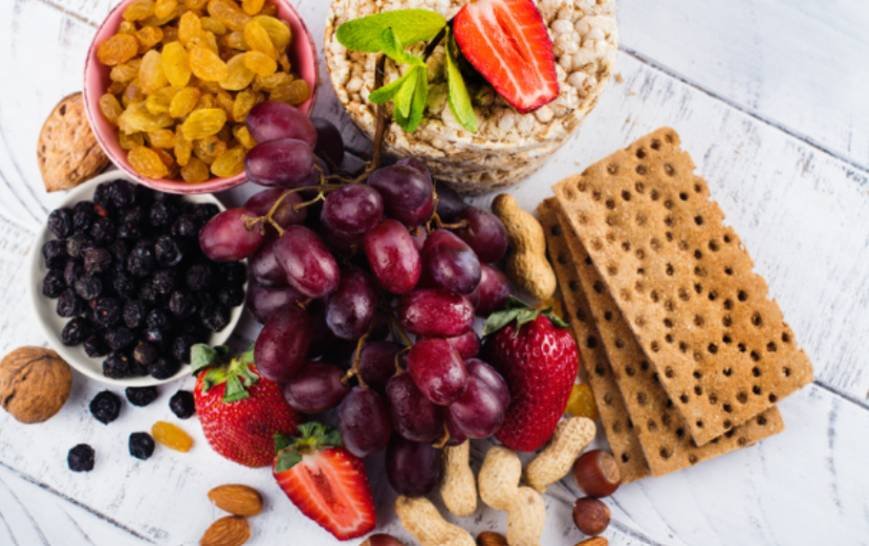
I once assumed snacking would interfere with my goals. The real issue was not eating between meals. It was choosing processed foods that disappeared quickly, offered little satisfaction, and left me searching for more.
The right healthy snacks for weight management can control hunger, reduce impulsive choices, and make balanced meals easier to maintain. They do not need to be bland, expensive, or difficult. A satisfying snack can be as simple as yogurt with berries or an apple with peanut butter.
Snacking can help when it responds to genuine hunger and fits your overall eating pattern. A planned snack may prevent you from reaching the next meal ravenous, when mindful portions become harder to follow.
Choosing snacks that complement your balanced nutrition habits can help you include more protein, fiber, healthy fats, fruits, and vegetables throughout the day.
Snacks are not compulsory. Boredom, stress, thirst, habit, easy access to food, and emotional eating can resemble physical hunger. Genuine hunger usually develops gradually and may bring stomach emptiness, lower energy, or reduced concentration.
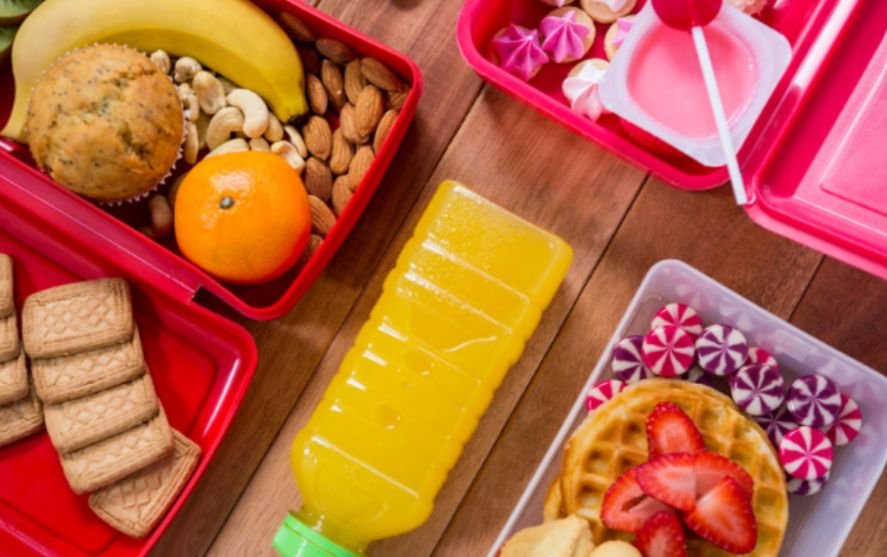
Protein and fiber help a snack feel substantial. Greek yogurt, eggs, cottage cheese, tuna, edamame, beans, fruit, vegetables, oats, and whole grains are reliable choices. Pairing fruit with protein is usually more satisfying than eating fruit alone.
Nuts, seeds, avocado, olives, and nut butter add flavor and staying power. Because they are energy-dense, portions matter. Measure nut butter and place nuts in a small bowl rather than eating from the package.
Water- and fiber-rich foods provide more volume. Berries, melon, cucumbers, carrots, tomatoes, broth-based soup, and air-popped popcorn can create generous snacks without heavy ingredients.
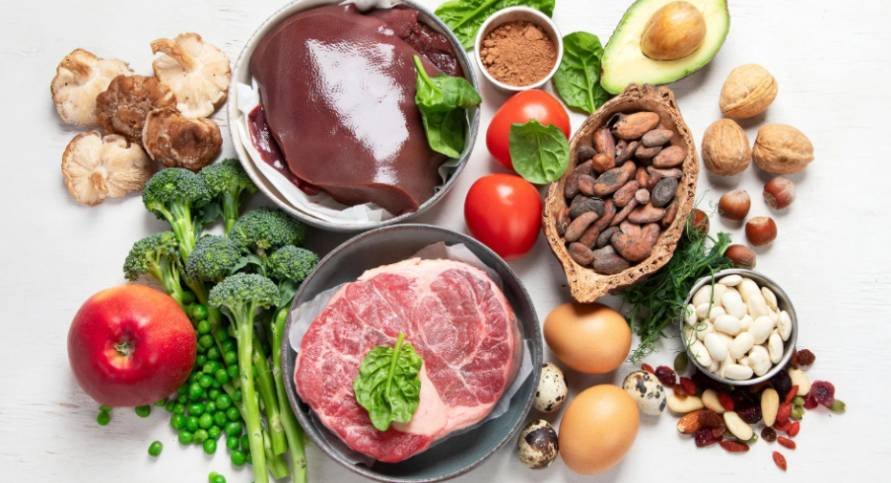
Including more nutrient-dense foods in your snack choices can provide vitamins, minerals, protein, fiber, and healthy fats while helping each portion feel more nourishing and satisfying.
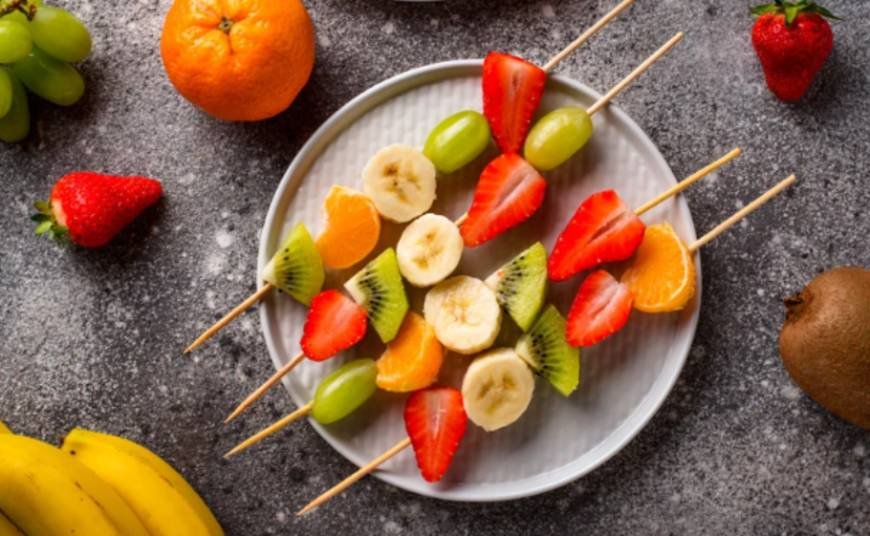
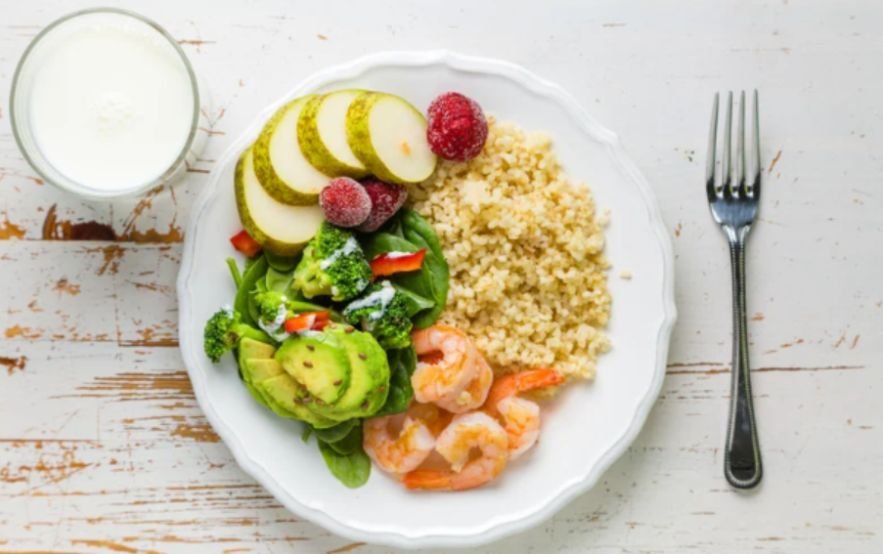
A snack should bridge the gap between meals rather than become an unplanned meal. For many adults, approximately 150 to 250 calories can be a practical starting point. Needs differ according to activity, body size, health, meal timing, and goals.
Do not treat that range as a rigid rule. Start with a moderate portion, eat without distractions, and allow time to notice fullness. Pre-portioning nuts, crackers, popcorn, and dried fruit can reduce accidental overeating.
For work, pack yogurt, fruit, eggs, roasted chickpeas, vegetables, or portioned nuts. For travel, choose shelf-stable crackers, tuna pouches, popcorn, fruit, and single-serving nut butter.
For evening hunger, consider yogurt with berries, oatmeal, cottage cheese with fruit, or popcorn. After exercise, pair protein and carbohydrates, such as banana with yogurt or crackers with tuna.
The best choices combine protein, fiber, or healthy fat in a sensible portion. Yogurt with berries, vegetables with hummus, eggs with cucumber, and fruit with nut butter are dependable examples.
Yes. Whole fruit supplies water, fiber, vitamins, and natural sweetness. Pairing it with yogurt, cheese, nuts, or nut butter makes it more filling.
Nuts can fit into a balanced routine, but portions count. Measure a small serving and pair it with fruit or vegetables for greater volume.
Timing alone does not determine weight change. Overall intake, food choices, sleep, activity, and consistency matter more, although mindless late-night eating can make goals harder.
I no longer see snacks as foods I must avoid. I see them as opportunities to add nutrition, respond to real hunger, and approach my next meal calmly.
I focus on simple combinations, realistic portions, and foods I enjoy. When my snack contains protein, fiber, color, and satisfying texture, balanced eating feels practical rather than restrictive.