
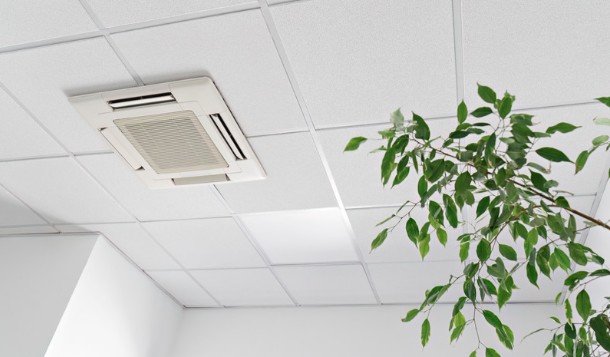
A home can look spotless and still have airborne dust, cooking particles, or excess moisture. That is why I approach simple ways to improve indoor air quality at home as everyday habits rather than a shopping list. My starting point is reducing pollution sources, ventilating appropriately, and keeping moisture under control.
You do not need to replace everything overnight. Start with the kitchen, bedroom, and bathroom, where regular activities create opportunities for improvement. Add filtration when useful, and remember that a fresh scent does not prove your air is clean.
Preventing pollution is often more effective than trying to filter it afterward. Keep smoking and vaping outdoors, away from doors and windows. Reduce indoor burning, including incense, candles, and wood fires.
Choose battery-operated candles when you want ambiance without combustion. Avoid using plug-in fragrances or aerosol sprays to cover persistent odors. Find the cause instead: overflowing trash, damp carpeting, dirty pet bedding, or a hidden leak.
Keep paints, solvents, and other chemicals tightly sealed and stored according to their labels, away from living areas.
Outdoor air can dilute pollutants indoors, but opening windows is not always helpful. Check local conditions through AirNow.gov before ventilating, especially during wildfire season.
Keep windows closed when smoke or elevated outdoor pollution could worsen indoor conditions. Consider pollen levels and outdoor humidity, too.
When conditions permit, open windows on opposite sides of your home to encourage cross-ventilation. Prioritize ventilation during activities that release pollutants, such as painting or cleaning.
A ceiling fan moves existing air around. It does not, by itself, bring fresh outdoor air inside.
Cooking releases airborne particles, even on electric stoves. Turn on your range hood whenever you cook, and use back burners when practical to improve capture.
Check whether your hood exhausts outdoors. Recirculating models filter and return air to the kitchen, so they do not provide the same ventilation.
Run the bathroom fan during showers and afterward until lingering moisture clears. Clean fan covers and range-hood filters according to manufacturer instructions. Never use a gas oven or stove to heat your home.
Dry dusting and aggressive sweeping can redistribute settled particles. Use a damp microfiber cloth on shelves, windowsills, and other hard surfaces.
Vacuum carpets and rugs regularly, preferably with a well-sealed vacuum equipped with HEPA filtration. Damp-mop suitable hard floors afterward.
Wash bedding weekly according to care instructions, and clean pet bedding routinely. Leave shoes near the entrance and use doormats to reduce tracked-in dirt.
Declutter surfaces so cleaning becomes easier. These simple ways to improve indoor air quality at home work best when repeated consistently.
Aim for indoor relative humidity around 30–50%, adjusting when necessary to prevent condensation. An inexpensive hygrometer helps you measure moisture instead of guessing.
Fix plumbing leaks promptly, dry wet materials quickly, and investigate recurring dampness around windows or basement walls.
Use a dehumidifier in damp spaces when needed to help create a healthier home environment, and clean its tank and filters as directed. Empty collected water regularly.
Use a humidifier only when the air is too dry. Clean it carefully and avoid adding moisture when windows already show condensation. Persistent mold or substantial water damage may require professional assessment.
Inspect your HVAC filter regularly and follow the equipment manufacturer’s replacement guidance. Homes with pets, heavy dust, or wildfire smoke may need more frequent attention.
Choose a filter your system can accommodate. A higher efficiency filter is useful only when it fits correctly and allows adequate airflow.
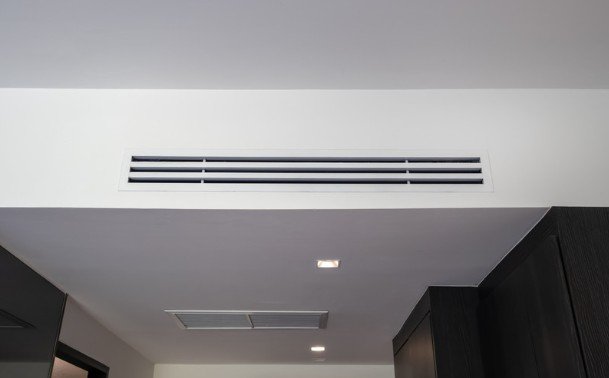
Keep supply and return vents unobstructed. If you are unsure about filter compatibility, ask a qualified HVAC technician. Routine duct cleaning is not automatically necessary. Investigate specific problems rather than assuming every home needs it.

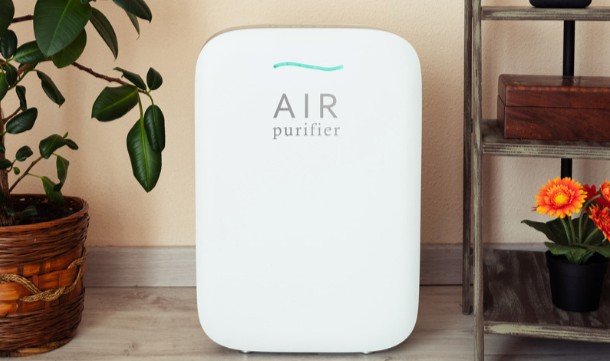
A portable air cleaner can supplement cleaning, ventilation, and source control. Choose a unit with an appropriate clean air delivery rate, or CADR, for the room.
HEPA filtration captures airborne particles. It does not remove every gas or eliminate the need for carbon monoxide alarms and radon testing.
Avoid devices that intentionally generate ozone. Position the purifier with clear airflow around it, follow placement instructions, and replace filters as directed.
Houseplants can brighten a room, but they should not replace effective ventilation or filtration.
Install and maintain carbon monoxide alarms according to manufacturer instructions and local requirements. Have fuel-burning equipment serviced appropriately, and never run generators or vehicles inside garages.
Test your home for radon using an appropriate kit or qualified service. A consumer air-quality monitor cannot substitute for dedicated radon testing or carbon monoxide alarms.
Renters should document leaks, persistent dampness, and ventilation problems, then notify their landlord promptly. Seek qualified help for suspected asbestos, lead hazards, or recurring mold.
Start by removing smoke and unnecessary fragrances, using existing exhaust fans, damp-dusting surfaces, washing bedding, and repairing leaks before purchasing additional equipment.
Only when outdoor air quality, pollen, weather, and humidity make ventilation appropriate. During smoky conditions, keep windows closed and follow local public-health guidance.
No. Purifiers capture some airborne particles, while cleaning removes settled dust and allergens. Moisture control and pollution-source reduction remain necessary parts of the plan.
I would start with three habits: run exhaust fans, remove unnecessary pollution sources, and check moisture levels. Then I would review cleaning routines and filter maintenance. Small, consistent changes make the plan manageable, while targeted testing addresses hazards that smell and appearance cannot reveal.












One thought on “Simple Ways to Improve Indoor Air Quality at Home That Actually Help”