
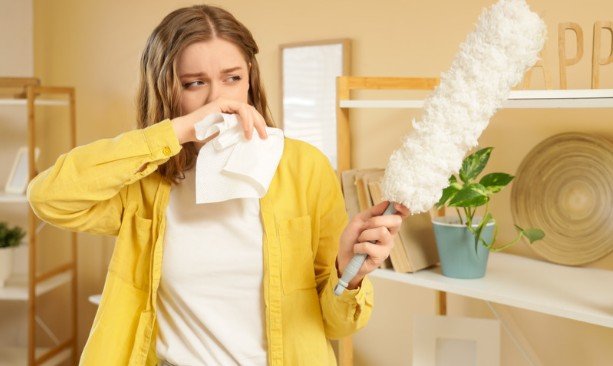
Dust returning right after cleaning can feel like a losing battle. I prefer a manageable routine that tackles where particles collect and how they enter the home. Understanding how to reduce household dust and common allergens starts with capturing dust, controlling moisture, and giving bedrooms extra attention.
You do not need an expensive renovation or a spotless house. A few consistent habits can reduce buildup and exposure without turning every weekend into a cleaning marathon.
Household dust contains fabric fibers, tracked-in soil, skin flakes, and outdoor particles. It can also carry pollen, pet allergens, mold spores, and dust mite or cockroach debris.
Visible dust and allergy triggers are not interchangeable. A tidy room can still contain allergens in mattresses, carpeting, or upholstery. Focus on likely sources rather than judging progress only by shiny furniture.
Notice whether symptoms worsen after vacuuming, around pets, during pollen season, or in damp rooms. These patterns can guide household changes, although they cannot diagnose an allergy. Persistent symptoms deserve an evaluation by an allergist.
Bedrooms deserve priority because bedding and soft furnishings collect particles close to where you sleep.
Use zippered allergen-resistant covers on mattresses and pillows. These create a barrier against dust mite allergens. Wash sheets, pillowcases, and blankets weekly, following fabric instructions.
For washable items that tolerate it, water at least 130°F helps kill dust mites and remove allergens. Avoid raising your household water-heater setting without considering scalding risks. Dry bedding completely before using it again.
Keep bedside surfaces clear and store extra linens in closed containers. Choose washable curtains and regularly clean shades. Limit decorative pillows and stuffed toys that are difficult to wash.
Keep pets out of the bedroom consistently, especially when pet allergy is suspected or confirmed.
An effective approach to how to reduce household dust and common allergens depends on removing particles without repeatedly sending them airborne.
Start with accessible shelves, doorframes, and furniture tops. Work downward, finishing with floors. Use a slightly damp microfiber cloth on suitable surfaces, turning it frequently so you keep collecting dust.
Follow manufacturer instructions for electronics and delicate finishes. Avoid spraying liquid directly onto screens, outlets, or appliances.
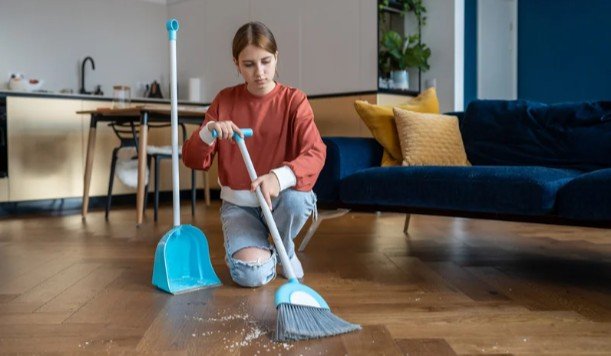
Feather dusters and aggressive dry sweeping can scatter particles. Damp wiping and appropriate vacuum attachments offer better control.
Vacuuming and dusting can temporarily increase airborne exposure. Ideally, someone without allergies should handle these tasks while the affected person stays elsewhere.
When that is impractical, consider a well-fitting N95 respirator and allow time away from the cleaned room afterward. Avoid scheduling bedroom cleaning immediately before bedtime.
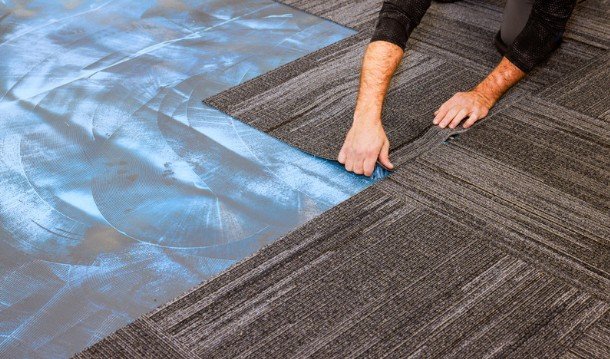
Vacuum carpets, rugs, and upholstered furniture at least weekly, increasing frequency in busy areas or homes with pets. Use upholstery and crevice attachments around cushions, edges, and accessible furniture bases.
A vacuum with HEPA filtration can help limit fine particles escaping through its exhaust. Maintain filters, seals, and bags according to instructions, and empty dusty canisters outdoors when possible.
Damp-mop compatible hard floors after removing loose debris. Wash removable rugs, throws, and pet bedding as their care labels allow.
Replacing wall-to-wall carpet may help some households improve indoor air quality at home, but renters can begin with washable coverings and consistent cleaning.
Dust mites and mold benefit from damp conditions. Aim for indoor relative humidity around 30% to 50%, using an inexpensive hygrometer to check actual levels.
Run bathroom exhaust fans during showers and afterward as needed. Use kitchen ventilation that exhausts outdoors when available.
Repair plumbing and roof leaks promptly. Dry wet materials within 24 to 48 hours where possible. A dehumidifier can help damp basements, but its tank and components also need regular cleaning.
Recurring mold calls for fixing the moisture source. Extensive growth or contaminated materials may require professional assessment.

Place washable mats at entrances and remove shoes indoors. Clean the mats regularly so they do not become another particle reservoir.
During high-pollen periods, keep windows closed and use air conditioning when appropriate. Change outdoor clothing after yardwork and avoid drying bedding outdoors when pollen is high.
Pets can carry outdoor particles inside. Wipe dirty paws and clean their favorite resting places. For grooming and bathing frequency, follow veterinary advice rather than repeatedly washing an animal to chase allergens.
Portable HEPA air cleaners can capture airborne particles, but they cannot remove dust already settled in bedding or furniture.
Choose a cleaner sized for the room, checking its clean air delivery rate and recommended coverage. Keep air openings unobstructed and replace filters as directed.
For central heating and cooling, use the highest-efficiency filter your system supports. Check the equipment manual or ask an HVAC professional before upgrading. Inspect filters regularly; replacement frequency depends on the filter, household conditions, and manufacturer guidance.
Store pantry staples and pet food in sealed containers. Wipe crumbs, use covered garbage cans, and seal pest entry points.
Avoid disturbing rodent droppings with ordinary sweeping or vacuuming; follow public-health cleanup guidance instead. Seek pest-control help for persistent infestations.
Choose cleaning products without strong fragrances when those scents irritate your airways. Never mix cleaning chemicals. Avoid indoor smoking, which adds harmful particles and respiratory irritants.
For anyone learning how to reduce household dust and common allergens, begin with weekly bedding care, damp dusting, regular vacuuming, and checking bedroom humidity.
No. It can capture airborne particles passing through its filter, but settled dust still requires cleaning. Source control and regular maintenance remain essential.
People, pets, fabrics, and outdoor air continually contribute particles. Dust returning does not mean cleaning failed; consistent removal helps prevent heavier accumulation over time.
I would start with the bedroom, build a weekly cleaning routine, and add improvements as needed. Washing bedding, capturing dust with damp cloths, and keeping moisture under control make a practical foundation without requiring expensive changes all at once.
I also find it helpful to focus on habits that fit everyday life. Removing shoes at the door, keeping surfaces uncluttered, and checking filters regularly can make ongoing cleaning easier. The goal is a more comfortable home, rather than chasing every speck of dust.
If symptoms continue despite these changes, I would seek professional guidance to identify the specific trigger. Knowing what needs attention can help you spend your time and money more effectively.












One thought on “How to Reduce Household Dust and Common Allergens”