Category: Nutrition Tips

  • Healthy Snack Ideas With Protein And Fiber That Fill

    Healthy Snack Ideas With Protein And Fiber That Fill

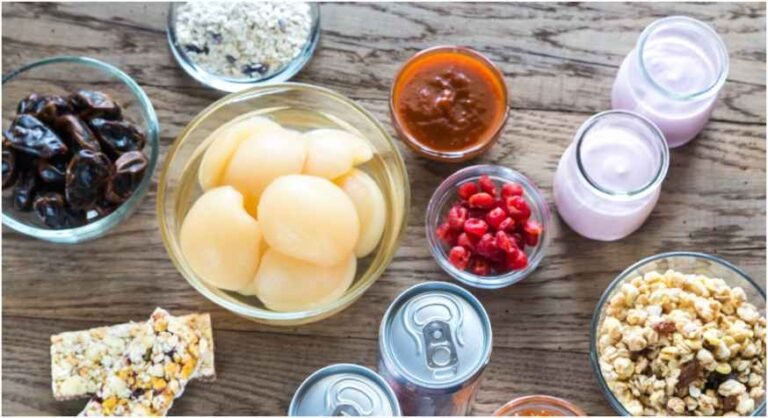
    I stopped treating snacks like tiny desserts once I noticed how fast I got hungry again. The best healthy snack ideas with protein and fiber keep me full, steady, and less tempted to raid the pantry twice before dinner.
    Protein helps make snacks more satisfying, while fiber supports digestion and fullness. The FDA lists 50g protein and 28g dietary fiber as Daily Values for adults and children aged 4 years and older, based on Nutrition Facts label guidance.

    Why Protein And Fiber Make Snacks More Satisfying

    A snack with only refined carbs can taste good, but it often disappears fast. I feel the difference when I pair protein with fiber because the snack has more staying power.
    Research on snacking and satiety has found that whole foods rich in protein, fiber, and whole grains, such as yogurt and nuts, can improve fullness compared with less nutrient-dense snacks. That is why I build snacks like small meals, not random bites.

    My 10/5 Snack Rule

    My personal rule is simple. I aim for around 10g protein and 5g fiber when I need a snack to hold me for two or three hours.
    It does not need to be perfect. A lighter snack can land near 7g protein and 3g fiber. A pre-workout or long-afternoon snack can go closer to 15g protein and 5g fiber. This rule makes grocery choices easier because I am not guessing.

    Planning snacks ahead works even better when you also know how to plan balanced meals for the week, because your snacks can fill real nutrition gaps instead of becoming random last-minute cravings.

    Quick Whole-Food Snacks I Keep On Repeat

    Quick Whole-Food Snacks I Keep On Repeat

    The best snacks are usually boring in the best way. They take five minutes, use normal ingredients, and do not require a recipe tab staying open.
    USDA FoodData Central is the main federal source I use for checking common food composition data, including minimally processed foods and branded foods. It is updated across several data types, including twice yearly and monthly update cycles depending on the database.

    Greek Yogurt And Berries

    Plain Greek yogurt with raspberries is one of my easiest high protein high fiber snacks. I use about 150g plain Greek yogurt and a handful of raspberries.
    The yogurt brings protein. The berries bring fiber, color, and enough sweetness to avoid making the bowl taste like homework. I skip sugary flavored yogurt because the fruit does the job better.

    Apple Slices With Peanut Butter

    Apple slices with natural peanut butter work when I want something crisp and creamy. I keep the apple skin on because that is where part of the fiber lives.
    Two tablespoons of peanut butter add richness, protein, and healthy fats. This snack feels more complete than eating fruit alone, especially during a long workday.

    Cottage Cheese And Pineapple

    Cottage cheese with pineapple is my “I need something cold and quick” snack. Half a cup of low-fat cottage cheese gives a creamy protein base.
    Fresh pineapple adds sweetness and texture. I like this better than a sweet protein bar because it feels fresh, not chalky.

    Eggs, Carrots, And Edamame

    Hard-boiled eggs with baby carrots are practical, cheap, and easy to prep ahead. Two eggs with a cup of carrots give protein, crunch, and a snack that feels like real food.
    Edamame is another strong option. A cup of cooked edamame can deliver both plant protein and fiber, making it useful for readers who want vegetarian protein snacks without relying on powders.

    Crunchy And Savory Snacks That Do More

    Crunchy And Savory Snacks That Do More

    Sweet snacks are easy to find. Savory snacks with nutrition are trickier. These are the ones I use when I want crunch without turning snack time into a chip festival.

    Roasted Chickpeas

    Roasted chickpeas are my favorite swap for chips. I rinse canned chickpeas, dry them well, toss them with olive oil and spices, and bake until crisp.
    The key is drying them properly before baking. If they stay wet, they steam instead of roast. Smoked paprika, garlic powder, cumin, and chili powder all work well.

    Hummus And Raw Veggies

    Hummus with cucumbers, bell peppers, broccoli, or carrots gives a better balance than crackers alone. Three tablespoons of hummus is usually enough for a snack plate.
    This is one of the easiest healthy snacks for digestion because it combines legumes and raw vegetables. It also travels well in a small container.

    Chia Seed Pudding

    Chia pudding looks fancy, but it is lazy food in disguise. I mix two tablespoons of chia seeds with half a cup of almond milk and let it sit overnight.
    Chia seeds absorb liquid and create a thick texture. I add berries, cinnamon, or a spoon of Greek yogurt when I want more protein.

    Almonds, Pumpkin Seeds, And Turkey Roll-Ups

    A small handful of almonds with toasted pumpkin seeds gives crunch, fat, protein, and fiber. I portion this ahead because nuts are easy to overeat straight from the bag.
    Turkey and avocado roll-ups are better when I want something savory and higher in protein. I wrap two slices of deli turkey around sliced avocado. I choose lower-sodium turkey when possible because packaged meats can vary a lot.

    Convenience Snacks For Busy Days

    Convenience Snacks For Busy Days

    Packaged snacks are not the enemy. The problem is choosing ones that act like candy in a fitness costume.
    The FDA says 20% Daily Value or more is considered high for a nutrient, while 5% or less is low. I use that label rule when comparing fiber, protein, sodium, and added sugar.

    Banza Chickpea Rice

    Banza Chickpea Rice can work as a quick cold snack salad base. A reported serving contains 11g protein and 5g fiber, which fits my 10/5 rule almost perfectly.
    I mix cooked chickpea rice with diced cucumber, cherry tomatoes, lemon juice, olive oil, and a little feta. It tastes more like a mini lunch than a snack, which is exactly the point.

    Dry Roasted Edamame

    Dry roasted edamame is one of the most useful shelf-stable snacks in my bag. Seapoint Farms sells dry roasted edamame in multiple formats, including sea salt snack packs.

    Nutrition databases list Seapoint Farms dry roasted edamame at 13g protein and 7g fiber per 1 oz serving, though package labels can vary by size and flavor. I still check the current label before buying.

    Brown Rice Cakes With Better Toppings

    Brown rice cakes are not enough on their own. They need a topping with protein, fiber, or healthy fat.
    Lundberg’s organic brown rice cakes are made with whole grain brown rice and simple ingredients, and the brand describes them as popped, gluten-free, vegan, and made with 100% whole grain rice. I top them with almond butter, mashed avocado, hummus, or cottage cheese.

    How I Build A Balanced Snack Plate

    When I build healthy snack ideas with protein and fiber, I start with one protein anchor. That might be Greek yogurt, cottage cheese, eggs, turkey, edamame, hummus, or chickpeas.

    Then I add fiber from fruit, vegetables, seeds, legumes, or whole grains. This keeps the snack more balanced and less likely to leave me hunting for something else.

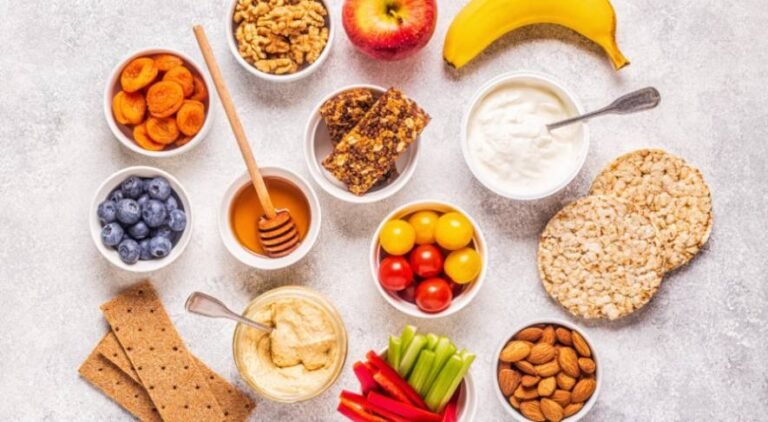
    A simple snack plate could be Greek yogurt with raspberries, or hummus with raw vegetables. A bigger snack could be chickpea rice salad or turkey avocado roll-ups with carrots.

    This is also the same mindset I use when thinking about how to improve nutrition without dieting. Add better building blocks first. Restriction can wait.

    FAQs

    What snacks are high in protein and fiber?

    Greek yogurt with berries, roasted chickpeas, edamame, hummus with vegetables, chia pudding, and apple slices with peanut butter are strong options.

    Are healthy snack ideas with protein and fiber good for weight control?

    They can help because protein and fiber support fullness, which may reduce grazing between meals when paired with balanced portions.

    What is a good high protein high fiber snack for work?

    Dry roasted edamame, Greek yogurt with berries, hummus cups with vegetables, or apple slices with peanut butter travel well.

    Can I eat protein and fiber snacks every day?

    Yes, most people can eat them daily, but increase fiber gradually and drink enough water to avoid digestive discomfort.

    Snack Like You Have Standards

    Snacks should not make you hungrier than when you started. My favorite healthy snack ideas with protein and fiber are simple, filling, and easy to repeat.
    Start with the 10/5 rule. Pick one protein, add one fiber-rich food, and keep two backup snacks ready for busy days. Your future hungry self will act less dramatic.

  • How To Choose Healthy Carbs For Meals Without Confusion

    How To Choose Healthy Carbs For Meals Without Confusion

    Choosing carbs should not feel like solving a nutrition puzzle while standing in a grocery aisle. I learned that how to choose healthy carbs for meals comes down to quality, fiber, and what you eat with them, not fear.

    Carbs are not the enemy. The problem usually starts with refined grains, sweet drinks, low-fiber snacks, and meals built around quick energy with no staying power. The American Heart Association recommends choosing complex carbohydrates such as legumes, fruits, starchy vegetables, and whole-grain foods while limiting refined sugars.

    Why Healthy Carbs Deserve a Better Reputation

    Healthy carbs help meals feel complete. They provide energy, texture, fiber, and important nutrients. When I cut carbs too hard, I usually feel hungrier later and snack more. When I choose better carbs, meals become easier to control.

    The CDC explains that fiber is a carbohydrate found mainly in fruits, vegetables, whole grains, and legumes. Fiber does not raise blood sugar the same way other carbohydrates can, and soluble fiber slows digestion. That is why how to choose healthy carbs for meals should focus less on “low carb” and more on “better carb.”

    The 2025–2030 Dietary Guidelines also prioritize fiber-rich whole grains and recommend reducing highly processed refined carbohydrates such as white bread, packaged breakfast foods, flour tortillas, and crackers.

    My Carb Quality Filter for Better Meal Choices

    My Carb Quality Filter for Better Meal Choices

    I use a simple filter before buying bread, cereal, wraps, granola, pasta, or snack bars. It keeps me from falling for packaging that looks healthy but acts like dessert.

    The filter is simple: whole ingredients first, at least 4 grams of fiber per serving when possible, and less than 8 grams of added sugar per serving. It is not a medical rule. It is a practical shopping shortcut that helps me pick carbs that work better in real meals.

    Check the First Ingredient

    The first ingredient matters because ingredients appear by weight. If I buy bread, pasta, oats, crackers, or cereal, I want the first ingredient to say “whole grain” or “whole wheat.”

    I do not treat “multigrain” as enough. Multigrain only means more than one grain. It does not guarantee the grain is whole. Words like “enriched,” “unbleached flour,” and “wheat flour” can still point to refined grains.

    Compare Fiber and Added Sugar

    The FDA requires Nutrition Facts labels to list total carbohydrate, dietary fiber, total sugars, and added sugars. It also sets the Daily Value for dietary fiber at 28 grams and added sugars at 50 grams based on a 2,000-calorie diet.

    For packaged carbs, I compare fiber first. A cereal with 5 grams of fiber and low added sugar usually beats one that has pretty branding but only 1 gram of fiber.

    Added sugar matters because it can turn a healthy-looking carb into a sweet snack. The FDA says 5% Daily Value or less is low for added sugars, while 20% Daily Value or more is high.

    Watch Out for Package Buzzwords

    Some labels sound healthy without proving much. “Natural,” “made with grains,” “honey wheat,” and “plant-based” can still appear on low-fiber, high-sugar products.

    When I am unsure, I ignore the front label and read the back. That one habit has changed how I shop for carbs more than any diet trend.

    Best Complex Carbs for Steady Energy

    Best Complex Carbs for Steady Energy

    The easiest way to understand how to choose healthy carbs for meals is to start with foods that look close to how they grew. Less processing usually means more fiber, more chewing, and slower digestion.

    Whole Grains That Actually Help

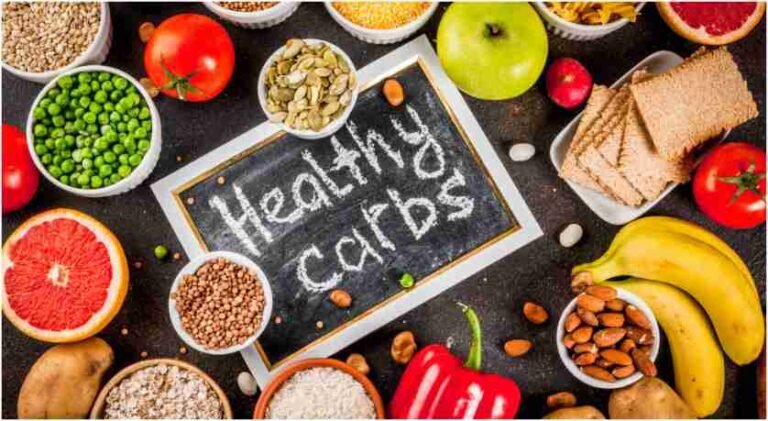
    Oats, brown rice, quinoa, barley, farro, whole-wheat pasta, and 100% whole-grain bread are strong choices. They work well because they bring starch and fiber together.

    I like oats for breakfast because they are easy to pair with nuts, seeds, Greek yogurt, or berries. For lunch and dinner, quinoa and brown rice make bowls more filling without needing heavy sauces.

    Beans, Lentils, and Chickpeas

    Legumes are my favorite healthy carb upgrade because they also bring plant-based protein. Lentils, chickpeas, black beans, split peas, kidney beans, and pinto beans make meals more satisfying.

    They work in soups, tacos, salads, grain bowls, and simple meal prep containers. If canned beans are easier, I rinse them to reduce excess sodium.

    Starchy Vegetables With More Value

    Sweet potatoes, corn, pumpkin, peas, and butternut squash are not “bad” because they contain starch. They are useful carbs when the portion fits the plate.

    I choose sweet potatoes with the skin when possible. The skin adds fiber, and the meal feels more filling. A baked sweet potato with eggs, beans, or chicken feels much better than fries on the side.

    Whole Fruits Over Fruit Juice

    Fruit is a healthy carb when eaten whole. Berries, apples, pears, oranges, bananas, and peaches bring water, fiber, and natural sweetness.

    Juice is different. It removes much of the chewing and often makes sugar easier to overdrink. The 2025–2030 Dietary Guidelines recommend whole fruits and vegetables in their original form and say 100% juice should be limited or diluted with water.

    How To Build Meals With Healthy Carbs

    How To Build Meals With Healthy Carbs

    Knowing how to choose healthy carbs for meals also means knowing where carbs sit on the plate. A healthy carb can still feel heavy if the portion crowds out protein and vegetables.

    Use the Plate Method

    I keep the plate method simple. Half the plate goes to non-starchy vegetables, one-quarter goes to lean protein, and one-quarter goes to healthy starchy carbs.

    That could mean salmon, roasted broccoli, and brown rice. It could also mean chicken, salad, and sweet potato. The method works because it controls portions without forcing calorie math at every meal.

    Pair Carbs With Protein or Fat

    I rarely eat carbs alone now. An apple feels more satisfying with peanut butter or Greek yogurt. Oatmeal lasts longer with nuts, chia seeds, or eggs on the side.

    Protein and healthy fat slow the meal down. They also make the carb feel like part of a balanced plate, not a quick snack that disappears in 20 minutes.

    For deeper meal structure, connect this habit with how to plan balanced meals for the week.

    Upgrade Drinks Before Blaming Food

    Many people worry about rice or potatoes while drinking sugar. That is backwards.

    Sodas, sweet teas, fruit drinks, energy drinks, and juice blends add fast carbohydrates without much fullness. The Dietary Guidelines recommend avoiding sugar-sweetened beverages such as sodas, fruit drinks, and energy drinks.

    Water, sparkling water, unsweetened tea, and plain coffee make carb choices easier because the meal does not have to compete with liquid sugar.

    A Real Meal Example I Use

    Here is one meal I use when I want energy without a crash: a bowl with quinoa, black beans, roasted peppers, spinach, avocado, salsa, and grilled chicken.

    The quinoa gives whole-grain carbs. The beans add fiber and plant protein. The chicken adds lean protein. The avocado adds healthy fat. The vegetables add volume and crunch.

    That is the real point of how to choose healthy carbs for meals. You are not picking one perfect food. You are building a meal where carbs have support.

    Common Carb Mistakes That Look Healthy

    The first mistake is choosing brown-colored bread without checking the ingredient list. Color does not prove whole grain.

    The second mistake is buying sweetened yogurt, granola, or cereal and treating it like a balanced carb. Some options contain enough added sugar to act more like dessert.

    The third mistake is cutting all starchy foods and then feeling tired, hungry, or snacky. Better carb quality usually works better than strict avoidance.

    The fourth mistake is ignoring portions. A healthy carb still needs a reasonable place on the plate. One-quarter of the plate is a helpful starting point for most balanced meals.

    FAQs

    1. What are the healthiest carbs for meals?

    Whole grains, beans, lentils, chickpeas, sweet potatoes, vegetables, and whole fruits are healthy carbs because they offer fiber and nutrients.

    2. Is rice a healthy carb for everyday meals?

    Brown rice is usually better than white rice because it has more fiber, but portion size and meal pairing still matter.

    3. How do I choose healthy carbs for weight control?

    Choose high-fiber carbs, pair them with protein, avoid sugary drinks, and keep starchy carbs to about one-quarter of your plate.

    4. Are potatoes unhealthy carbs?

    Potatoes are not automatically unhealthy. Baked potatoes with skin are better than fries, especially when paired with protein and vegetables.

    Carbs With Standards, Please

    I no longer ask whether carbs are “good” or “bad.” I ask whether they bring fiber, nutrients, and staying power to my meal. That question makes shopping, cooking, and ordering food much easier.

    The best answer to how to choose healthy carbs for meals is simple: pick whole or minimally processed carbs, read the label, control added sugar, and pair carbs with protein or healthy fat. Your next meal does not need to be perfect. It just needs a smarter carb with better company.

  • How to Improve Nutrition Without Dieting: Easy Wins

    How to Improve Nutrition Without Dieting: Easy Wins

    I used to think better eating meant removing half my favorite foods. Then I learned how to improve nutrition without dieting by adding smarter foods first, not by turning every meal into a rulebook.

    That shift made nutrition feel calmer. I still ate familiar meals, but I upgraded them with protein, fiber, color, healthy fats, and better drink choices. The result was more steady energy, fewer random snack cravings, and meals that felt satisfying instead of strict.

    Why Better Nutrition Does Not Need a Diet

    Most diets start with subtraction. No sugar. No carbs. No late-night snacks. No fun. That may work for a week, but it often makes everyday eating feel like a punishment.

    A better approach is to improve the quality of what is already on your plate. The current Dietary Guidelines for Americans emphasize whole, nutritious foods while limiting highly processed foods, added sugars, and refined carbohydrates. That supports a practical “upgrade” mindset instead of a strict diet mindset.

    This is why how to improve nutrition without dieting starts with one question: What can I add to this meal to make it work harder for my body?

    Use the Add-First Plate Method

    Use the Add-First Plate Method

    The add-first method is simple. Before removing anything, add one food that gives your meal more nutrition. It could be a vegetable, fruit, protein, whole grain, bean, seed, or healthy fat.

    This method works because it changes the meal without making you feel restricted. Your usual sandwich, pasta, rice bowl, eggs, or smoothie can stay. You just make it more complete.

    Add Color Before You Cut Anything

    Color is the easiest upgrade. I aim to add one fruit or vegetable to meals that look beige. Eggs get spinach or salsa. Lunch gets cucumber slices or carrots. Dinner gets frozen broccoli, roasted peppers, or a side salad.

    Frozen produce counts. It is quick, affordable, and easy to keep on hand. That matters on busy days when fresh produce quietly dies in the fridge.

    Add Protein So Meals Actually Last

    Protein helps make meals more filling. I use it as the anchor, especially at breakfast and lunch. Eggs, Greek yogurt, beans, lentils, tofu, fish, chicken, turkey, cottage cheese, and edamame all work.

    A plain bagel may taste good, but it rarely keeps me full. A bagel with eggs and fruit feels completely different. The meal becomes more balanced without feeling like a diet meal.

    Add Healthy Fats for Satisfaction

    Healthy fats make meals taste better and feel more satisfying. I like avocado, olive oil, nuts, seeds, natural peanut butter, salmon, and tahini.

    The trick is not to pour fat onto everything. It is to use a small amount where it improves flavor and fullness. A drizzle of olive oil can make vegetables taste like real food, not homework.

    Build Balanced Meals Without Counting

    Build Balanced Meals Without Counting

    Counting every calorie can make eating feel stressful. I prefer a visual method because it is faster and easier to repeat.

    Use the Simple Plate Visual

    The Harvard Healthy Eating Plate recommends filling half the plate with vegetables and fruits, one quarter with whole grains, and one quarter with healthy protein. It also encourages water, coffee, or tea over sugary drinks.

    That plate visual is useful because it works almost anywhere. At home, it may look like salmon, brown rice, and roasted vegetables. At a restaurant, it may look like tacos with beans, grilled protein, salsa, and a side of vegetables.

    This is one of the easiest ways to practice how to improve nutrition without dieting because it focuses on balance, not restriction.

    Choose Carbs That Do More

    Carbs are not the villain. The quality of the carb matters more than the fear around it. Whole grains, beans, lentils, fruit, starchy vegetables, and oats bring fiber, minerals, and longer-lasting energy.

    Refined carbs are not banned either. I just pair them better. If I eat pasta, I add lentils or chicken and vegetables. If I eat toast, I add eggs or peanut butter. If I eat rice, I add beans, vegetables, and protein.

    For a deeper internal guide, use the anchor text how to choose healthy carbs for meals when linking to your related article.

    Upgrade Fiber, Drinks, and Labels

    Upgrade Fiber, Drinks, and Labels

    Small nutrition upgrades become powerful when you repeat them daily. Fiber, drinks, and packaged food labels are three easy places to start.

    Choosing low sodium diet food can support this upgrade because it helps you reduce hidden salt in packaged meals, sauces, snacks, and restaurant-style foods without turning eating into a strict diet.

    Make Fiber Easier

    Fiber supports fullness and digestive health, but many meals are low in it. The FDA lists 28 grams as the Daily Value for dietary fiber on Nutrition Facts labels.

    I do not chase that number perfectly. I just add fiber where it fits. Chia seeds go into yogurt. Beans go into rice bowls. Lentils go into soup. Apple skins stay on. Whole-grain bread replaces white bread when it tastes good.

    This is not glamorous, but it works.

    Fix Sugary Drinks Without Feeling Punished

    Sugary drinks can add a lot without making you feel full. I still like fun drinks, so I make swaps that feel realistic.

    Sparkling water with lime, unsweetened iced tea, herbal tea, fruit-infused water, and coffee with less sweetener are easy changes. The goal is not to become a plain-water robot. The goal is to lower added sugar without hating your day.

    Read Ingredients Before Calories

    Calories matter, but they do not tell the full story. A food can be low in calories and still offer little nutrition.

    Learning how to read nutrition labels correctly makes this step easier because it helps you compare added sugars, sodium, fiber, serving sizes, and ingredients before choosing packaged foods.

    I check the ingredient list first. Shorter lists are not always perfect, but they help me spot foods built mostly from refined flour, added sugars, and excess sodium. The FDA Nutrition Facts label also helps compare sodium, added sugars, fiber, and key nutrients across packaged foods.

    My Three-Addition Meal Upgrade

    Here is my favorite worked example because it feels real.

    A regular day might start with toast, include a turkey sandwich for lunch, and end with pasta. Nothing is wrong with that. But it can become more nourishing with three additions.

    At breakfast, I add eggs and berries to the toast. At lunch, I add carrots, hummus, and whole-grain bread to the sandwich. At dinner, I add frozen broccoli and lentils to pasta sauce.

    The meals still feel familiar. I did not remove the toast, sandwich, or pasta. I simply added protein, fiber, color, and volume. That is the core of how to improve nutrition without dieting in real life.

    Mindful Eating That Still Feels Normal

    Mindful eating does not need candles, silence, or a personality change. It can be as simple as slowing down for the first five bites.

    I try to eat vegetables and protein before refined carbs when it feels natural. Research on food order suggests eating vegetables before carbohydrates can reduce post-meal glucose and insulin responses in some settings.

    I also avoid eating full meals in front of a screen when I can. When I pay attention, I notice fullness sooner. I enjoy the food more. I stop treating lunch like a task I forgot to respect.

    The CDC also connects healthy eating patterns with broader lifestyle habits like physical activity, sleep, and stress management. That matters because nutrition does not happen in a vacuum.

    FAQs

    1. Can I improve nutrition without giving up my favorite foods?

    Yes, you can improve meals by adding protein, vegetables, fruit, fiber, and healthy fats before removing foods you enjoy.

    2. What is the easiest first step for better nutrition?

    Add one fruit or vegetable to one meal each day, then build from there once the habit feels automatic.

    3. Does how to improve nutrition without dieting mean I can eat anything?

    It means no strict food bans, but meal quality still matters, especially protein, fiber, whole foods, and drink choices.

    4. How long does it take to notice better nutrition habits?

    Many people notice steadier energy and better fullness within a few days of adding protein, fiber, and balanced meals.

    Final Bite: Better Nutrition, Zero Drama

    I like how to improve nutrition without dieting because it feels doable on normal days. It does not ask me to become perfect. It asks me to make the next meal a little stronger.

    Start with one add-first upgrade today. Add spinach to eggs, beans to rice, berries to yogurt, or vegetables to pasta. Tiny upgrades may look boring, but they are the quiet habits that change everything.

  • How To Plan Balanced Meals For The Week Without Stress

    How To Plan Balanced Meals For The Week Without Stress

    When I first learned how to plan balanced meals for the week, I stopped trying to cook something new every day. That single change made my meals healthier, cheaper, and easier to stick with. The real trick is not creating a perfect menu; it is building a repeatable system that works when life gets busy.

    A balanced weekly meal plan should include vegetables, fruits, lean protein, whole grains, complex carbs, and healthy fats. Harvard’s Healthy Eating Plate recommends using vegetables and fruits for half the plate, whole grains for one-quarter, and healthy protein for one-quarter. It also encourages healthy oils in moderation.

    Why I Stopped Planning 21 Different Meals

    Most people make meal planning harder than it needs to be. They sit down on Sunday and try to plan seven breakfasts, seven lunches, seven dinners, and multiple snacks. That looks organized on paper, but it becomes exhausting in real life.

    I plan fewer meals and use them in smarter ways. Three strong dinner ideas can cover most of the week when leftovers become lunches. Two breakfast options are enough to avoid boredom without making mornings complicated. One flexible prep ingredient can support salads, bowls, wraps, and quick dinners.

    This approach helped me waste less food because I started buying ingredients that overlapped. Spinach could work in eggs, salads, pasta, and curry. Brown rice could support salmon, turkey chili, tofu bowls, and vegetable stir-fries. That is the difference between a random grocery haul and a real weekly food plan.

    Start With the Balanced Plate Formula

    Start With the Balanced Plate Formula

    The easiest way to understand how to plan balanced meals for the week is to start with the plate. I use the plate formula before I pick recipes because it keeps every meal balanced without calorie counting.

    USDA’s MyPlate also encourages building meals around food groups, including fruits, vegetables, grains, protein foods, and dairy or fortified alternatives.

    Fill Half the Plate With Vegetables and Fruits

    Vegetables and fruits should take up the most space in your weekly plan. I usually start with non-starchy vegetables because they add volume, fiber, color, and crunch.

    Spinach, broccoli, bell peppers, cucumbers, tomatoes, carrots, zucchini, onions, and leafy greens are easy to reuse. Fruit works well at breakfast or snack time. Berries, apples, bananas, oranges, grapes, and pears are simple choices.

    Frozen vegetables and fruits can also help. They last longer, reduce waste, and make quick meals easier. The key is choosing options with no or limited added sugars when possible.

    Add a Reliable Lean Protein

    Protein makes meals more filling. I plan one protein source for every major meal. Good options include chicken breast, turkey, fish, eggs, tofu, lentils, chickpeas, beans, Greek yogurt, cottage cheese, and tempeh.

    For a normal week, I prefer two main proteins. One can be animal-based, like chicken or salmon. The other can be plant-based, like lentils or chickpeas. This gives variety without doubling the prep work.

    If lunch often feels weak, protein is usually the missing piece. A salad with only lettuce and dressing rarely holds me for long. Add chicken, tuna, eggs, tofu, beans, or chickpeas, and it becomes a real meal.

    Choose Whole Grains or Complex Carbs

    Whole grains and complex carbs give meals steady energy. Brown rice, quinoa, oats, barley, sweet potatoes, whole-wheat pasta, and whole-grain bread are practical weekly staples.

    Harvard’s Healthy Eating Plate recommends choosing whole grains over refined grains because whole grains have a gentler effect on blood sugar and insulin.

    I usually cook one grain base for the week. Quinoa works in salads, bowls, and warm dinners. Brown rice pairs well with fish, chili, beans, tofu, and vegetables. Oats make breakfast easy when mornings are rushed.

    Use Healthy Fats as Small Accents

    Healthy fats help meals taste better and feel more satisfying. I use olive oil, avocado, nuts, seeds, nut butter, or tahini in small amounts.

    A spoon of peanut butter can make apple slices more filling. Chia seeds can upgrade overnight oats. Olive oil can turn chickpeas and vegetables into a better lunch. The point is balance, not drowning every meal in dressing.

    How To Plan Balanced Meals For The Week Using the 3-2-1 Method

    How To Plan Balanced Meals For The Week Using the 3-2-1 Method

    My favorite method for how to plan balanced meals for the week is simple: plan three dinner bases, two breakfast options, and one flexible prep ingredient. I call it the 3-2-1 system because it keeps decisions low and variety high.

    Choose Three Dinner Bases

    Pick three dinners that share ingredients. This saves money and keeps your grocery list shorter.

    For example, one week could include baked salmon with brown rice and greens, lentil curry with carrots and tomatoes, and turkey chili with zucchini and beans. These meals use overlapping vegetables, grains, and pantry items.

    You can cook each dinner once and use leftovers for lunch. That gives you balanced meals without cooking from scratch every day.

    Pick Two Breakfast Options

    Breakfast should feel automatic. I usually choose one cold option and one hot option.

    Overnight oats with chia seeds, berries, and Greek yogurt work well when I need something ready in the morning. Scrambled eggs or tofu with spinach, tomatoes, and whole-grain toast work better when I want a warm meal.

    Both options include protein, fiber-rich carbs, and produce. That makes breakfast more balanced than coffee and a sweet pastry.

    Prep One Flexible Ingredient

    One flexible prep ingredient can carry the whole week. It might be roasted vegetables, cooked quinoa, brown rice, shredded chicken, washed greens, or chopped salad vegetables.

    My favorite is roasted vegetables. I roast two trays with broccoli, carrots, onions, zucchini, and bell peppers. They go into eggs, bowls, wraps, salads, and dinners.

    This is where weekly meal prep becomes realistic. You are not preparing everything. You are preparing the pieces that save the most time.

    Build a Grocery List That Actually Matches Your Plan

    Before I shop, I audit my fridge, freezer, and pantry. This step sounds small, but it prevents duplicate buying and food waste, reducing added sugar in everyday foods.

    Then I write my grocery list by section: produce, protein, grains, dairy or alternatives, pantry items, and snacks. This keeps the trip focused and reduces impulse buys.

    I also check labels on packaged foods, especially sauces, cereals, flavored yogurts, and snack bars. The FDA says the Daily Value for added sugars is 50 grams per day based on a 2,000-calorie diet. 

    Meal Prep Without Losing Your Whole Sunday

    Meal Prep Without Losing Your Whole Sunday

    Meal prep should make the week easier, not ruin your weekend. I prefer a short prep session with high-impact tasks.

    First, cook one grain such as brown rice, quinoa, or oats. Next, prepare one protein such as lentils, chicken, eggs, tofu, or turkey. Then wash and chop hardy vegetables like carrots, peppers, onions, and cucumbers.

    I also keep backup foods ready. Frozen vegetables, canned beans, canned tomatoes, tuna, oats, and whole-grain bread can rescue a meal when plans change.

    Storage matters too. Keep grains, proteins, and vegetables in separate containers. Add sauces later so meals do not get soggy. Clear containers help because you can see what needs to be used first.

    Sample Weekly Balanced Meal Plan

    Here is a simple example of how to plan balanced meals for the week without making the plan complicated.

    For breakfast, rotate overnight oats with chia seeds, berries, and Greek yogurt with scrambled eggs or tofu, spinach, tomatoes, and whole-grain toast.

    For lunch, use leftovers. Try grilled chicken with roasted sweet potatoes and broccoli one day. Try a chickpea quinoa salad with cucumbers, bell peppers, greens, and olive oil the next day.

    For dinner, rotate baked salmon over brown rice with sautéed greens, lentil curry with carrots and tomatoes, and turkey chili with zucchini and beans.

    For snacks, keep it simple. Greek yogurt with almonds, apple slices with peanut butter, carrots with hummus, cottage cheese with fruit, or boiled eggs all work well.

    This plan repeats ingredients without making every meal taste the same. That is what makes it easier to follow.

    Common Weekly Meal Planning Mistakes

    The first mistake is planning too many recipes. More recipes mean more ingredients, more cooking, and more cleanup.

    The second mistake is forgetting snacks. If snacks are not planned, hunger usually picks the fastest option. A balanced snack should include protein, fiber, or healthy fat.

    The third mistake is ignoring flavor. Balanced food should not taste like punishment. Use garlic, ginger, lemon, lime, salsa, vinegar, herbs, spices, mustard, or yogurt-based sauces.

    The fourth mistake is planning meals that do not match your schedule. If Wednesday is packed, do not plan a 45-minute dinner. Use leftovers, eggs, a grain bowl, or a freezer-friendly option.

    Your Meal Plan Needs a Little Attitude

    Learning how to plan balanced meals for the week is not about becoming the kind of person who labels every container in perfect handwriting. It is about making your future self less annoyed, less hungry, and less likely to order takeout because nothing makes sense in the fridge.

    Start with the balanced plate. Choose three dinners, two breakfasts, and one flexible prep ingredient. Shop with intention. Prep only what helps.

    That is the meal planning sweet spot. Simple enough to repeat. Balanced enough to support your health. Flexible enough to survive real life.

    FAQs About Weekly Balanced Meal Planning

    1. What is the easiest way to plan balanced meals for beginners?

    Use the half-plate vegetables and fruits, one-quarter protein, and one-quarter whole grain formula.

    2. How do I meal plan for a week without wasting food?

    Choose recipes with overlapping ingredients and use leftovers for lunches.

    3. Can I plan balanced meals without counting calories?

    Yes, the balanced plate method helps manage portions without tracking every calorie.

    4. How many meals should I prep for the week?

    Prep three dinners, two breakfasts, and a few snacks to keep the week flexible.

  • How To Reduce Added Sugar In Everyday Foods Easily

    How To Reduce Added Sugar In Everyday Foods Easily

    I learned how to reduce added sugar in everyday foods after realizing my “healthy” breakfast was sweeter than dessert. The problem was not one cookie. It was the flavored yogurt, sweetened coffee, bottled dressing, ketchup, granola, and snack bar adding up quietly.

    Added sugar is not the same as natural sugar in plain milk or whole fruit. The FDA explains that added sugars include sugars added during processing, plus syrups, honey, and sugars from concentrated fruit or vegetable juices. The Nutrition Facts label also lists added sugars separately, which makes it easier to compare foods before buying them.

    Why Added Sugar Sneaks Into Normal Meals

    Most people do not eat added sugar only from candy. It often hides in foods that look practical, quick, or even healthy. Breakfast cereals, flavored oatmeal, bottled smoothies, protein bars, pasta sauce, ketchup, barbecue sauce, salad dressings, sweetened plant milk, and café drinks can all raise daily sugar intake.

    The Dietary Guidelines recommendation is to keep added sugars below 10% of daily calories. For a 2,000-calorie diet, that equals 50 grams per day, which is also the FDA Daily Value for added sugars. The American Heart Association suggests an even lower daily target for heart health: no more than 25 grams for most women and 36 grams for most men.

    That is why small swaps matter. One sweet drink and one flavored snack can use a large part of the daily limit before dinner.

    Start With The Label, Not The Front Package

    Front labels can say “natural,” “organic,” “low-fat,” or “made with real fruit” and still contain added sugar. I now turn the package around before I trust the marketing.

    Check Added Sugars Before Total Sugars

    The Nutrition Facts label shows total sugars and added sugars. Total sugars include natural sugars from foods like fruit and dairy. Added sugars are the ones added during processing or preparation.

    A quick rule helps: 5% Daily Value or less is generally low, while 20% Daily Value or more is high. Dietary Guidelines materials use this rule to help shoppers judge added sugar on labels.

    Learn to read nutrition labels correctly during your next grocery trip.

    Learn The Names Sugar Hides Behind

    Sugar does not always appear as “sugar.” It can show up as high-fructose corn syrup, cane sugar, cane juice, dextrose, maltose, rice syrup, maple syrup, agave, honey, fruit juice concentrate, maltodextrin, or evaporated cane juice.

    When several sweeteners appear in one ingredient list, I treat that as a warning. The food may not taste like dessert, but it may behave like one in my daily sugar total.

    Make Breakfast Less Sweet Without Making It Boring

    Make Breakfast Less Sweet Without Making It Boring

    Breakfast is where added sugar sneaks into my day fastest. The fix is not skipping breakfast. The fix is choosing plain bases and adding flavor myself.

    Choose Plain Staples And Add Your Own Flavor

    Plain Greek yogurt with raspberries and cinnamon tastes fresh without needing flavored syrup. Steel-cut oats with sliced banana, nuts, and nutmeg feel sweet enough after a few days of adjustment. Whole-grain toast with avocado and eggs gives steady energy without relying on sweet spreads.

    This approach works because it keeps fiber, protein, and fat in the meal. Those three make breakfast more filling than a sugary cereal bowl that leaves me hungry two hours later.

    Watch Low-Fat And Flavored Foods

    Low-fat foods can be useful, but they deserve a label check. Some brands remove fat and add sugar to improve flavor. Flavored yogurt, flavored oatmeal packets, granola, and “light” dressings are common examples.

    My rule is simple: buy plain first. Then add fruit, cinnamon, vanilla extract, or a small measured drizzle of sweetness when needed.

    Rethink Drinks Before Changing Your Whole Diet

    Rethink Drinks Before Changing Your Whole Diet

    Drinks can carry a surprising amount of sugar because they do not feel like food. Soda, fruit juice, sweet tea, energy drinks, bottled coffee, and fancy café drinks can raise sugar intake quickly.

    Step Down Coffee Sweeteners

    I did not remove sugar from coffee in one day. I reduced it slowly. Two teaspoons became one and a half. Then one. Then half. After a few weeks, heavily sweetened drinks started tasting too strong.

    This gradual method trains taste buds without making the change feel punishing.

    Replace Sugary Drinks With Better Daily Options

    Water, sparkling water, unsweetened iced tea, green tea, and herbal tea are easy defaults. Lemon, mint, cucumber, ginger, or berries can add flavor without turning the drink into dessert.

    Fruit juice needs caution too. Even 100% juice lacks the same fiber structure as whole fruit. I choose whole oranges, apples, or berries more often because they feel more satisfying.

    Reduce Hidden Sugar In Sauces, Snacks, And Packaged Foods

    Reduce Hidden Sugar In Sauces, Snacks, And Packaged Foods

    A low-sugar routine often fails because of the “small extras.” Sauces, dips, dressings, and snacks look harmless until they appear several times a day.

    Choose Condiments Carefully

    The CDC notes that ketchup, jarred pasta sauce, barbecue sauce, and salad dressings can hide added sugars even though they taste savory. It also points out that yogurt and protein bars may contain more sugar than expected, so comparing labels matters.

    I now look for no-sugar-added pasta sauce, mustard instead of sweet barbecue sauce, salsa without added sugar, and homemade dressing made with olive oil, lemon juice, herbs, and pepper.

    Build Smarter Snacks

    The easiest snack formula is protein plus fiber. A green apple with almonds works better than a fruit snack. Plain Greek yogurt with raspberries and cinnamon works better than sweetened yogurt. Carrots with hummus, boiled eggs, walnuts, cottage cheese, or roasted chickpeas can also help.

    When I eat something sweet, I pair it with protein or fiber. A few squares of dark chocolate after dinner feel more balanced with nuts or berries than alone.

    Use Home Cooking To Control Sweetness

    Cooking at home gives control over sugar without removing flavor. The goal is not bland food. The goal is better flavor from real ingredients.

    Cut Sugar In Baking

    Most cookie, muffin, quick bread, and brownie recipes can handle less sugar. I usually reduce sugar by one-third first. If the texture still works, I try reducing it by half next time.

    Unsweetened applesauce, mashed banana, or pumpkin purée can add moisture and mild sweetness. They do not make a dessert sugar-free, but they help reduce the amount of added sugar needed.

    Use Spices And Fruit For Natural Sweetness

    Cinnamon, nutmeg, ginger, cardamom, vanilla extract, and citrus zest make food taste sweeter without adding much sugar. Roasted sweet potatoes, berries, bananas, apples, and pears can also bring natural sweetness with nutrients and fiber.

    This is the trick that made the biggest difference for me. I did not remove pleasure from food. I moved sweetness from processed products to whole ingredients.

    A Sample Low-Sugar Meal Plan For One Day

    Here is a simple day I would actually follow.

    Breakfast starts with two scrambled eggs, spinach, diced tomatoes, black pepper, and one slice of whole-grain or sourdough toast with mashed avocado. I drink black coffee, green tea, or a plain latte without flavored syrup.

    Lunch is a large spinach or mixed-greens salad with grilled chicken breast or baked tofu. I add cucumbers, shredded carrots, pumpkin seeds, and a small sprinkle of feta. The dressing is olive oil and lemon juice instead of bottled sweet dressing.

    For an afternoon snack, I choose raw almonds or walnuts with a small green apple. Another option is plain unsweetened Greek yogurt with raspberries and cinnamon.

    Dinner is baked salmon or a grilled chickpea patty with garlic and herbs. I add quinoa or roasted sweet potato, plus roasted broccoli and asparagus tossed with olive oil.

    Dessert stays simple. A few squares of 85% dark chocolate or a small bowl of berries works well. Chamomile or peppermint tea helps close the day without a sweet drink.

    My 7-Day Sweetness Reset Method

    When people ask me how to reduce added sugar in everyday foods without feeling deprived, I suggest a seven-day reset. It is not a detox. It is a taste-bud retraining week.

    For seven days, choose plain versions of foods you already eat. Buy plain yogurt, plain oats, unsweetened drinks, no-sugar-added sauces, and whole fruit. Reduce coffee sweetener by half. Keep dessert small, but do not ban it. Read every label before buying packaged snacks.

    By day four or five, sweetened foods often taste stronger. That is the win. Your taste buds start noticing natural sweetness again.

    Sugar, You’re Not The Boss Of My Pantry

    Learning how to reduce added sugar in everyday foods is not about becoming strict or joyless. It is about taking back control from sneaky products that add sweetness where you did not ask for it.

    Start with one place: your drink, breakfast, snack, or condiment shelf. Fix that first. Once one habit feels easy, move to the next. Your pantry does not need a dramatic breakup with sugar. It just needs better boundaries.

    FAQs

    1. What is the easiest way to reduce added sugar daily?

    Start with drinks because soda, sweet coffee, juice, and sweet tea can add sugar fast.

    2. How do I find hidden sugar in packaged foods?

    Check the Added Sugars line and scan ingredients for syrup, cane sugar, dextrose, maltose, and juice concentrate.

    3. Can I still eat fruit while cutting added sugar?

    Yes, whole fruit contains natural sugar plus fiber, water, vitamins, and minerals.

    4. How to reduce added sugar in everyday foods without cravings?

    Reduce sweetness gradually, eat enough protein and fiber, and use cinnamon, vanilla, fruit, or nuts for flavor.

  • How To Read Nutrition Labels Correctly: Smart Food Picks

    How To Read Nutrition Labels Correctly: Smart Food Picks

    I learned how to read nutrition labels correctly after realizing my “single snack” was actually three servings. That tiny detail changed the calories, sodium, sugar, and fat completely. A Nutrition Facts label is not just a box of numbers. It is a shortcut for deciding whether a packaged food fits your day.

    The FDA says all nutrient amounts on a Nutrition Facts label are based on the listed serving size, not the whole package unless the package contains one serving. That is why the first smart move is simple: read from the top down.

    Start With Serving Size Before Calories

    Serving size tells you the amount used to calculate every number on the label. It may be cups, grams, pieces, slices, or fluid ounces. It is not always the amount you personally eat.

    Check Servings Per Container

    Servings per container shows how many servings are inside the full package. This is where many people get tricked. If a bag of chips lists 150 calories per serving but has three servings, eating the whole bag means 450 calories.

    I use this quick label test before buying: “Will I eat one serving or the full package?” That one question makes the label honest.

    Use Calories as a Portion Reality Check

    Calories show the energy you get from one serving. They are useful, but they should not be the only thing you judge. A 250-calorie snack with fiber and protein may keep you full longer than a 120-calorie snack loaded with added sugar.

    If you want how to read nutrition labels correctly in real life, compare calories with serving size. A small serving with high calories may still fit your day, but you should know what you are choosing.

    Understand % Daily Value Without Doing Math

    Understand % Daily Value Without Doing Math

    The % Daily Value, or %DV, shows how much one serving contributes to a 2,000-calorie daily diet. The FDA’s simple rule is easy to remember: 5% DV or less is low, and 20% DV or more is high.

    Use the 5/20 Rule Fast

    I use 5% and 20% as a quick grocery-store filter. For nutrients to limit, low is better. For nutrients to get more of, high is better.

    Choose lower %DV for saturated fat, sodium, and added sugars. Choose higher %DV for fiber, vitamin D, calcium, iron, and potassium. The FDA recommends this same general pattern.

    Nutrients to Limit on a Food Label

    Nutrients to Limit on a Food Label

    A product can look healthy on the front and still carry high amounts of sodium, added sugar, or saturated fat. The back label gives the real story.

    Saturated Fat and Trans Fat

    Saturated fat should stay low, especially if you eat packaged foods often. Trans fat should be avoided as much as possible. Even when a label says 0 grams, check the ingredient list for partially hydrogenated oils.

    Sodium

    Sodium deserves attention because packaged and prepared foods can raise your intake quickly. The CDC says Americans consume more than 3,300 mg of sodium per day on average, above the federal recommendation of less than 2,300 mg for teens and adults.

    When comparing soups, sauces, frozen meals, or deli items, I pick the lower-sodium option when taste and price are close.

    Added Sugars

    Added sugars are different from natural sugars found in foods like fruit or milk. They add sweetness without much nutrition. The Dietary Guidelines for Americans recommend limiting foods and drinks higher in added sugars, saturated fat, and sodium.

    Nutrients to Look For More Often

    Reading labels should not only be about restriction. I get better results when I look for what a food gives me.

    Fiber, Protein, and Key Minerals

    Fiber supports digestion and fullness. Protein helps with muscle maintenance and steadier hunger. Calcium, iron, potassium, and vitamin D are also worth checking because many people do not get enough through daily meals.

    If you are working on fiber, connect this habit with eating more fiber without changing your diet, so your food swaps feel easier.

    Read the Ingredient List Like a Detective

    Read the Ingredient List Like a Detective

    Ingredients appear in descending order by weight. The first few ingredients usually make up most of the food.

    When sugar appears near the top, I pause. It may appear as cane sugar, dextrose, maltose, corn syrup, high fructose corn syrup, or fruit juice concentrate. A long ingredient list is not always bad, but it should make sense.

    This is one of the easiest ways to understand how to read nutrition labels correctly without needing nutrition training.

    My Quick Label Example

    Imagine a granola pouch lists one serving as 1/3 cup. The label shows 180 calories, 8 grams added sugar, and 120 mg sodium. The pouch has three servings.

    If I eat the full pouch, I get 540 calories, 24 grams added sugar, and 360 mg sodium. The label did not lie. I just had to multiply.

    That is my favorite practical trick: serving size first, then multiply by the amount I will actually eat.

    FAQ

    1. What is the first thing to check on a nutrition label?

    Check the serving size first because every calorie and nutrient number depends on it.

    2. What does 20% Daily Value mean?

    It means one serving is high in that nutrient, based on a 2,000-calorie daily diet.

    3. How do I spot hidden sugar on labels?

    Look for sugar names like dextrose, maltose, corn syrup, cane sugar, and fruit juice concentrate.

    4. Why learn how to read nutrition labels correctly?

    It helps you compare foods, control portions, limit excess sugar or sodium, and choose better options.

    Final Bite: Make the Label Work for You

    A food label should not make eating feel complicated. It should help you make faster, smarter choices. Start with serving size, use the 5/20 rule, limit sodium and added sugar, and look for fiber and protein.

    My rule is simple: never trust the front of the package until the back label has spoken.

  • How To Eat More Fiber Without Changing Your Diet Fast

    How To Eat More Fiber Without Changing Your Diet Fast

    I like my regular meals, and I do not enjoy dramatic food makeovers. That is why learning how to eat more fiber without changing your diet became one of the easiest nutrition upgrades I have ever made. I kept the same tacos, pasta, rice bowls, soups, snacks, and breakfasts. I simply changed what went inside them.

    Fiber matters because most Americans do not get enough. Harvard’s Nutrition Source says adults need at least 25 to 35 grams daily, while most Americans get about 15 grams. Fiber supports fullness, digestion, blood sugar control, and bowel regularity. The FDA also recognizes certain fibers for benefits like lowering blood glucose, lowering cholesterol, reducing calorie intake, and increasing bowel movement frequency.

    Why This Works Better Than Starting Over

    The usual advice says to eat more vegetables, switch to whole grains, and add beans. That advice is useful, but it can feel like a full diet change. I prefer a quieter method.

    The trick is not replacing your whole plate. It is making your current plate work harder. When I add lentils to taco meat, beans to sauces, seeds to yogurt, or popcorn to snack time, I do not feel restricted. I just get more fiber from food I already enjoy.

    This approach also helps avoid digestive shock. A sudden jump in fiber can cause gas, bloating, or discomfort. Increasing slowly and drinking enough fluids makes the change easier.

    Invisible Ingredient Swaps That Add More Fiber

    Stretch Meat With Lentils

    Stretch Meat With Lentils

    One of my favorite fiber tricks is the lentil stretch. I replace about 30% of ground meat with cooked brown lentils in tacos, burgers, meat sauce, sloppy joes, or bolognese.

    Lentils absorb seasoning well. In taco meat, they blend into the texture instead of standing out. The meal still tastes familiar, but it becomes more filling and fiber-rich.

    This is a smart move for anyone searching for easy ways to increase fiber intake without eating a separate “healthy” side dish.

    Blend White Beans Into Creamy Foods

    White beans are almost invisible in creamy meals. I mash canned cannellini or navy beans into mashed potatoes, potato soup, creamy pasta sauce, or casseroles.

    They add body without changing the color much. They also make sauces feel thicker, which helps when I want comfort food that still supports digestion.

    For best results, rinse canned beans first. Then blend or mash them before adding them to the dish.

    Mix Barley Into Rice

    If plain white rice is part of your routine, do not remove it. Mix it. I like replacing half the rice with cooked pearl barley.

    Barley has a chewy bite, so it fits well in rice bowls, soups, stuffed peppers, and meal-prep containers. This adds more soluble fiber while keeping the meal familiar.

    A simple ratio works best: half rice and half barley. That way, the texture changes slightly, not dramatically.

    Stealth Fiber Boosters For Everyday Meals

    Stealth Fiber Boosters For Everyday Meals

    Add Chia Or Ground Flax

    Chia seeds and ground flaxseeds are small but powerful. I stir one tablespoon into yogurt, oatmeal, smoothies, pancake batter, or overnight oats.

    This adds fiber without increasing the meal size much. Ground flax works better in baked foods and oatmeal. Chia works well in yogurt and smoothies because it thickens slightly.

    This is one of the easiest healthy fiber swaps because it takes less than 10 seconds.

    Buy High-Fiber Versions Of Your Usual Foods

    This is the laziest upgrade, and I mean that as a compliment. I buy higher-fiber versions of foods I already use.

    High-fiber bread, whole-wheat pasta, bean-based pasta, high-fiber tortillas, and cereals with at least 5 grams of fiber per serving can quietly improve your day.

    You still eat toast, pasta, wraps, and cereal. You just choose versions that give you more fiber per bite.

    Use Fiber Supplements Carefully

    Unflavored psyllium husk or wheat dextrin can help when food alone is not enough. The FDA notes that certain isolated or synthetic fibers can count as dietary fiber when they show beneficial physiological effects.

    I treat supplements as backup, not the main plan. Start small, follow the label, and drink enough water. Psyllium can thicken quickly, so mix and drink it right away.

    People with digestive conditions, swallowing issues, or medication schedules should ask a clinician first.

    Small Habits That Increase Fiber Intake

    Stealth Fiber Boosters For Everyday Meals

    Leave The Skins On

    Peeling fruits and vegetables removes useful fiber. I keep skins on apples, pears, peaches, cucumbers, and potatoes when the recipe allows it.

    This habit takes no extra cooking. Just wash produce well and keep the edible skin.

    Eat Fiber First

    The “fiber first” sequence is simple. If vegetables, salad, beans, or fruit are already on the plate, eat them first.

    This does not change the meal. It changes the order. It may also help you feel satisfied sooner because fiber slows digestion and supports fullness. Harvard notes that fiber helps regulate the body’s use of sugars and supports hunger control.

    Switch Snacks Without Feeling Restricted

    Air-popped popcorn is my favorite snack swap. It is a whole grain and gives a crunchy, salty snack feeling without needing chips.

    Three cups of air-popped popcorn can offer nearly 4 grams of fiber. Add light seasoning, not heavy butter, if you want it to stay useful.

    My 3-Day Fiber Upgrade Example

    Here is a realistic example of how I would increase fiber without changing my normal meals.

    On day one, I add ground flax to breakfast yogurt and keep the skin on my apple. On day two, I mix lentils into taco meat and choose a high-fiber tortilla. On day three, I add white beans to creamy soup and snack on popcorn.

    That small plan can add several grams of fiber daily without turning meals into salad punishment. It also keeps fiber increases gradual, which helps reduce bloating.

    Sass, Fiber, And Zero Drama

    You do not need to break up with your favorite meals. You just need to make them carry more fiber. Start with one invisible change this week: lentils in meat, beans in sauce, seeds in breakfast, barley in rice, or popcorn at snack time.

    That is the real answer to how to eat more fiber without changing your diet: upgrade the food you already trust, keep it gradual, and let your gut enjoy the quiet glow-up.

    FAQs

    1. How can I add fiber without eating more vegetables?

    Add chia, ground flax, lentils, beans, barley, high-fiber bread, or popcorn to meals you already eat.

    2. What is the easiest fiber swap for beginners?

    Start with one tablespoon of chia or ground flax in yogurt, oatmeal, or smoothies.

    3. Can I eat more fiber without changing my meals?

    Yes, use invisible swaps like lentils in meat, beans in sauces, and high-fiber versions of regular groceries.

    4. Why do I feel bloated after adding fiber?

    You may be adding too much too fast, so increase slowly and drink more water.