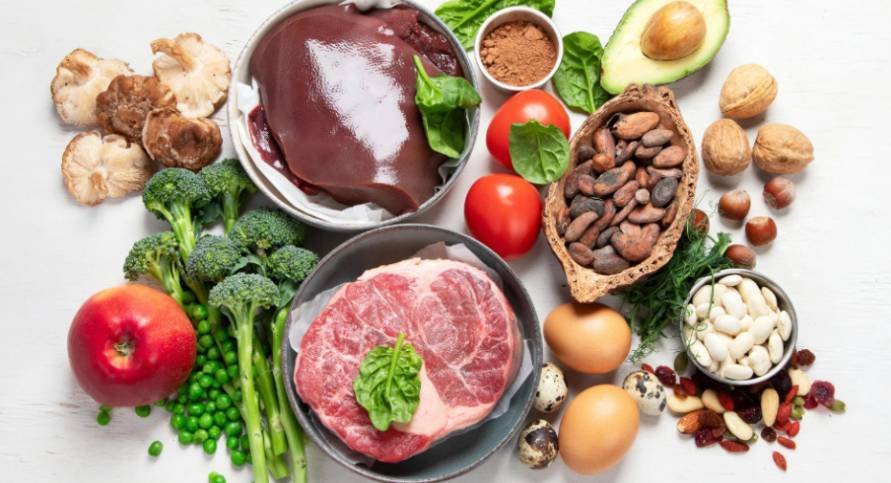
A nutritious dinner doesn’t require an hour in the kitchen or a refrigerator packed with expensive ingredients. Some of the fastest meals begin with frozen vegetables, canned beans, and microwaveable whole grains.
The secret to choosing healthy grocery list items for quick weeknight meals is buying ingredients that work across multiple recipes. With the right combinations, you can prepare satisfying dinners in 20 to 30 minutes without sacrificing nutrition, flavor, or variety. Here’s how to build a practical shopping list that makes healthy eating easier throughout a busy week.
Most weeknight cooking challenges begin before anyone turns on the stove. Missing ingredients, lengthy preparation, and limited time can make takeout seem easier.
The CDC’s healthy meal planning guidance recommends planning meals around vegetables, protein foods, whole grains, and healthy fats.
Meanwhile, Harvard’s Healthy Eating Plate suggests filling approximately half your plate with vegetables and fruits, one-quarter with whole grains, and one-quarter with healthy protein.
These recommendations offer a practical shopping strategy: prioritize versatile ingredients rather than purchasing groceries for entirely separate recipes.
A reliable grocery list should balance nutritional value, convenience, affordability, and storage life.
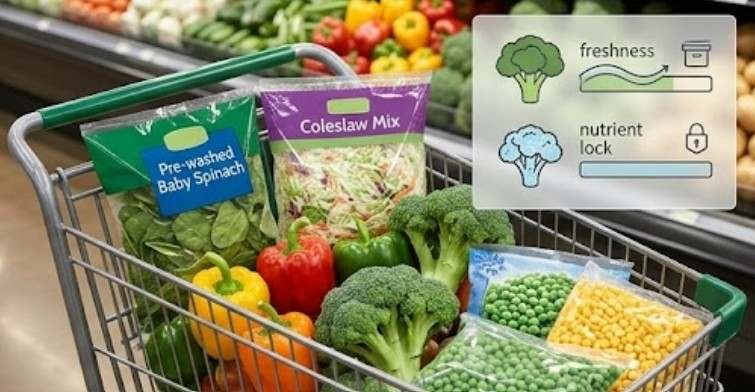
Vegetables add fiber, vitamins, minerals, and color to meals. Fortunately, convenience doesn’t necessarily reduce their nutritional value.
The CDC confirms that frozen and canned vegetables can be nutritious alternatives to fresh produce, particularly when they contain no added salt or sauces.
Add these vegetables to your cart:
Choose two fresh vegetables and two frozen varieties each week. This combination provides flexibility without filling your refrigerator with produce that might spoil.

Protein helps make meals satisfying and supports muscle maintenance. The best weeknight options require little preparation or cook relatively quickly.
Consider these practical choices:
For additional meatless options, explore the benefits of a plant-based diet and consider replacing some animal proteins with beans, lentils, or tofu.
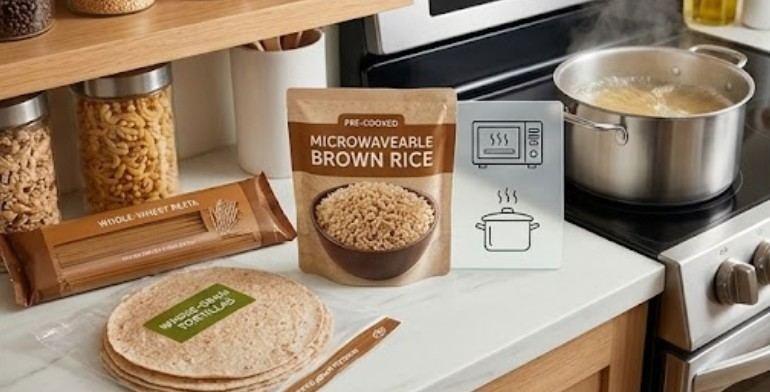
Carbohydrates provide energy, while whole grains contribute fiber and important nutrients.
Keep several quick-cooking choices available:
Microwaveable rice is particularly useful because it eliminates the usual preparation time.
Check ingredient labels when shopping. Products labeled “multigrain” aren’t necessarily whole grain; look for a whole grain among the first ingredients.
A well-stocked pantry can turn basic ingredients into several different dinners. Useful staples include olive oil, low-sodium soy sauce, canned diced tomatoes, tomato paste, low-sodium broth, natural peanut butter, and jarred pesto.
For seasoning, prioritize cumin, smoked paprika, garlic powder, oregano, black pepper, and chili flakes.
The American Heart Association’s grocery shopping recommendations encourage choosing lower-sodium canned products and frozen vegetables without added sauces.
Compare nutrition labels on prepared sauces, where sodium and added sugar can vary considerably.
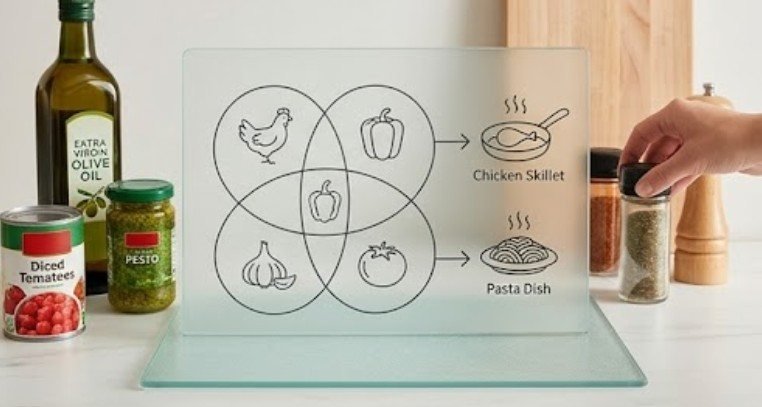
The biggest advantage of strategic grocery shopping is ingredient overlap. One package of spinach or one bag of frozen broccoli can support several meals.
Estimated time: 25 minutes
Cook whole-wheat pasta while sautéing bite-sized chicken pieces with garlic and olive oil. Add spinach, toss everything together, and finish with lemon juice and Parmesan.
The result combines protein, vegetables, and whole grains in one dish.
Estimated time: 15 minutes
Heat canned black beans with cumin and smoked paprika. Serve over microwaveable brown rice with shredded cabbage, tomatoes, and avocado.
Add plain Greek yogurt instead of sour cream for a creamy topping with additional protein.
Estimated time: 20 minutes
Cook safely thawed shrimp with garlic and ginger. Add frozen broccoli, peas, and a splash of reduced-sodium soy sauce.
Serve over leftover rice that has been promptly refrigerated and thoroughly reheated.
Estimated time: 20 minutes
Brown lean ground turkey with garlic. Add shredded cabbage, ginger, and low-sodium soy sauce.
Cook until the cabbage softens and the turkey reaches a safe internal temperature. Serve with brown rice or wrap the mixture in a tortilla.
Estimated time: 15 minutes
Simmer drained chickpeas with canned tomatoes, spinach, garlic, and smoked paprika.
Serve over quinoa or with warmed whole-wheat tortillas. Add a spoonful of Greek yogurt for a creamy finish.
Before shopping, use this simple process to prevent waste and unnecessary purchases.
For a household of two, plan roughly four servings of each major protein across the week, adjusting portions for appetite and nutritional needs.
This approach creates variety without requiring five completely different shopping lists.
Frozen vegetables are frequently nutritious, economical, and easier to store. The American Heart Association explains that fresh, frozen, and canned produce can all contribute to a healthy diet. Choose whichever form you’ll actually use.
Precut produce can save preparation time, but individually packaged foods sometimes cost more. Compare unit prices and prioritize convenience where it makes the greatest difference, such as frozen chopped vegetables or ready-to-heat grains.
Speed should never come at the expense of safe preparation. According to FoodSafety.gov’s cooking temperature chart, poultry, including ground turkey, must reach 165°F internally.
Thaw frozen meats safely, refrigerate perishable ingredients promptly, and avoid keeping prepared meals longer than recommended storage periods.
Prioritize vegetables, lean proteins, beans, whole grains, and unsaturated fats. Frozen broccoli, eggs, canned chickpeas, brown rice, and olive oil are especially versatile choices.
Choose store brands, seasonal produce, frozen vegetables, dried or canned beans, and economical whole grains. Plan recipes around overlapping ingredients to reduce unnecessary purchases.
Start with two proteins, three vegetables, one whole grain, eggs, canned beans, and basic seasonings. Expand your choices as your cooking confidence grows.
Yes. Combine ready-to-eat beans, microwaveable brown rice, prewashed greens, and a simple dressing. Eggs, canned fish, and properly thawed quick-cooking seafood also work well.
Healthy weeknight cooking becomes more manageable when your groceries support multiple meals instead of complicated individual recipes.
Start with a few dependable proteins, colorful vegetables, convenient whole grains, and seasonings that work across different cuisines. Keep frozen and shelf-stable ingredients available for evenings when fresh groceries run low.
You don’t need a perfect meal plan or an expensive shopping cart to eat well. Small decisions, such as purchasing frozen broccoli instead of another unused bag of fresh produce, can make a meaningful difference.
The best grocery list is the one that helps you consistently prepare nourishing meals, even on your busiest nights.