

Home should feel comfortable, but everyday dust, cooking fumes, and hidden moisture can make that harder. I approach how to create a healthier home environment by starting with practical changes that fit normal life. A healthier space begins with noticing problems and building manageable routines.
You don’t need a major renovation or a cart full of wellness products. Whether you own a suburban house or rent an apartment, these steps can help you create cleaner, safer, more comfortable surroundings.
Walk through your home and look for damp spots, persistent odors, blocked vents, loose rugs, and damaged cords. Check beneath sinks, around windows, and behind furniture near exterior walls.
Write down three priorities. An active leak deserves attention before reorganizing a closet. Missing alarms matter more than decorative upgrades.
In older homes, avoid disturbing peeling paint or suspected asbestos materials. Homes built before 1978 may contain lead-based paint, so seek appropriate assessment before sanding or renovating.

Cooking, cleaning, and showering can add pollutants or moisture to indoor air. Use kitchen and bathroom exhaust fans, ideally ones that discharge outdoors.
Open windows when outdoor conditions allow. During wildfire smoke, heavy pollen, or poor air quality, keep windows closed and follow local air-quality guidance.
Maintain heating and cooling systems and replace filters according to manufacturer instructions. Choose a filter your system can accommodate.
A portable air cleaner may help with airborne particles. Select one sized for the room, and avoid devices that intentionally produce ozone.
Cleaning visible mold without fixing the moisture source allows the problem to return. Repair dripping pipes, investigate roof leaks, and dry wet materials promptly. Just as understanding the effects of sun exposure on skin helps guide protective habits, understanding what causes mold helps you prevent recurring damage.
Aim for indoor relative humidity around 30–50%. An inexpensive humidity monitor can help you identify persistently damp rooms.
Run bathroom exhaust ventilation during showers and afterward as needed. Avoid leaving damp towels piled together, and allow space for airflow around furniture.
Recurring mold, extensive damage, or persistent musty odors may require professional assessment.
Dust collects more than dirt. It can contain pollen, pet dander, and particles from household materials.
Use a damp cloth on surfaces rather than brushing dust into the air. Vacuum regularly, preferably with effective HEPA filtration, and wet-mop suitable hard floors.
Leave shoes near the entrance and use washable doormats. Wash bedding regularly according to care instructions, and clean pet sleeping areas.
Keep frequently used surfaces reasonably clear. Fewer objects make consistent cleaning easier, especially around beds and seating.
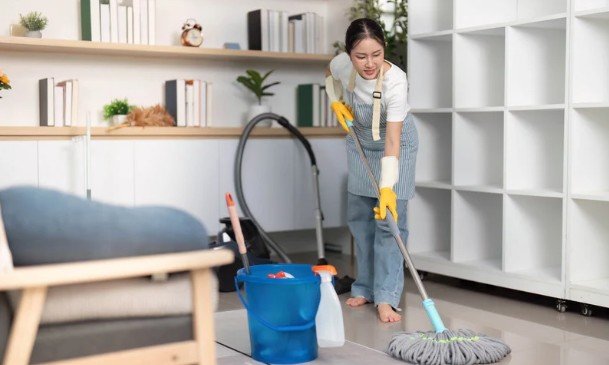
More products do not automatically mean better cleaning. For many routine household tasks, soap or detergent and water are enough.
Disinfect when appropriate, such as after certain illnesses or contamination, and follow the product label, including required contact time.
Never mix bleach with vinegar, ammonia, or other cleaners. Store products in their original containers, away from children and pets.
Choose fragrance-free options if scents bother your household. “Natural” labeling alone does not establish safety or effectiveness.
Keep indoor spaces smoke-free. Reduce frequent candle and incense burning, and address strong fumes from paints, adhesives, or stored solvents.
Never run generators, grills, or gasoline-powered equipment inside your home or garage. Maintain fuel-burning appliances and ensure appropriate exhaust arrangements.
A useful approach to how to create a healthier home environment is to remove or reduce pollution sources before adding equipment to manage them.
For pests, seal entry points, fix leaks, store food securely, and remove trash regularly. Seek targeted treatment when necessary.
Start with your water provider’s annual Consumer Confidence Report. It explains water quality information for your public supply.
Private well owners should arrange regular testing through appropriate local resources. Water that looks clear can still contain contaminants.
Select a filter certified for the specific contaminant you need to reduce. A filter designed to improve taste may not address lead or other concerns.
Replace cartridges on schedule. Also consider household plumbing when investigating water quality, especially in older properties.

Maintain smoke alarms and carbon monoxide alarms according to local requirements and manufacturer instructions. Test them regularly and replace expired units.
Test your home for radon using an appropriate kit or qualified service. Keep walkways clear, secure loose rugs, and store medicines safely. In bedrooms, reduce disruptive noise and nighttime light. Choose comfortable temperatures and washable bedding.
Natural daylight during waking hours can make rooms more pleasant. Houseplants can be enjoyable decorations, but they should not replace ventilation or filtration.
After meals, wipe food preparation surfaces and put food away. Each week, clean floors, wash bedding, and check damp areas.
Periodically inspect filters, alarms, plumbing, and appliance maintenance needs.
Document leaks, mold, ventilation problems, and other repair concerns. Notify your landlord promptly in writing and keep records. Focus your own efforts on practical changes your lease allows.
Start with visible hazards, leaks, smoke, and functioning alarms. Then improve ventilation and dust control before deciding whether additional products would help.
Not every household needs one. Consider your indoor particle sources, room size, existing filtration, and outdoor conditions before choosing a suitable portable cleaner.
Yes. Removing shoes, damp-dusting, using existing exhaust fans, storing food securely, and reporting leaks are useful starting points that require little spending.
Creating a healthier home feels more manageable when I focus on one useful change at a time. I would start by addressing leaks, checking alarms, and improving everyday cleaning habits. These steps provide a practical foundation before considering new equipment or larger upgrades.
I also believe consistency matters more than perfection. A home does not need to look spotless to support comfortable living. By keeping dust under control, managing moisture, and maintaining ventilation, I can build a routine that fits daily life. Small improvements, repeated over time, help make home a safer and more welcoming place to unwind.












One thought on “How to Create a Healthier Home Environment Without Feeling Overwhelmed”