
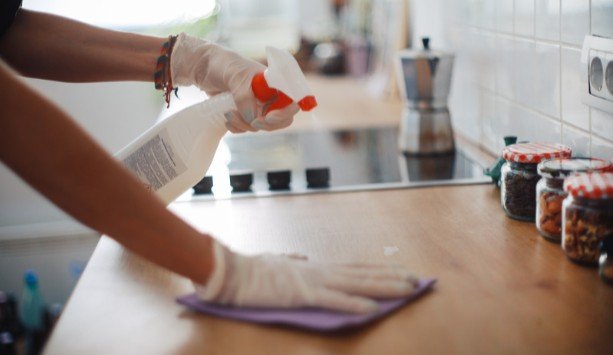
A sparkling floor used to make me feel like my home was clean, even while refrigerator handles and remote controls escaped my attention. Building healthy cleaning habits for frequently touched surfaces helped me focus on the places my family actually handles throughout the day.
The goal is manageable upkeep, not a germ-free home. A few targeted actions can remove dirt and germs without turning every evening into a disinfecting marathon. Here is how to build a practical routine around busy mornings, school pickups, shared bathrooms, and weeknight meals.
High-touch surfaces are objects and areas handled repeatedly, often by several people. They deserve attention because hands move between them while cooking, working, relaxing, and using the bathroom.
Walk through your home and notice your usual path. Check the front door handle, thermostat, refrigerator pull, microwave buttons, faucet handles, light switches, stair railing, and television remote.
Include shared keyboards, game controllers, drawer pulls, and toilet flush handles. Prioritize what your household touches most instead of treating every surface equally.

Cleaning, sanitizing, and disinfecting have different purposes. Understanding them helps you choose an appropriate routine without adding unnecessary chemicals.
Cleaning uses soap or detergent, water, and physical wiping or scrubbing. For everyday household upkeep, this is usually enough. Choose a cleaner compatible with the material and follow its directions.
Sanitizing lowers remaining germs to levels considered safe under applicable public health requirements. Certain food-contact situations call for sanitizing after cleaning. Follow the product label, including any rinsing instructions.
Disinfection becomes more relevant when someone is sick or recently visited while ill. Households with someone at higher risk may need additional precautions. Clean first, then apply an appropriate disinfectant according to its label.
The easiest healthy cleaning habits for frequently touched surfaces attach to something you already do. Wipe kitchen handles during your after-dinner cleanup, for example, rather than creating another separate chore.
Gather a suitable cleaner, washable cloths, and any label-required protective equipment. Store products in their original containers, securely away from children and pets. Convenience should never mean leaving chemicals within reach.
Start with kitchen handles and controls, move to frequently used switches, then check bathroom faucets and shared devices. A consistent route reduces missed spots and makes the task easier to remember.
Keep cloths assigned to different areas. Switch to a fresh cloth or clean section as it becomes dirty. Launder reusable cloths according to their care instructions and dry them completely before storing.
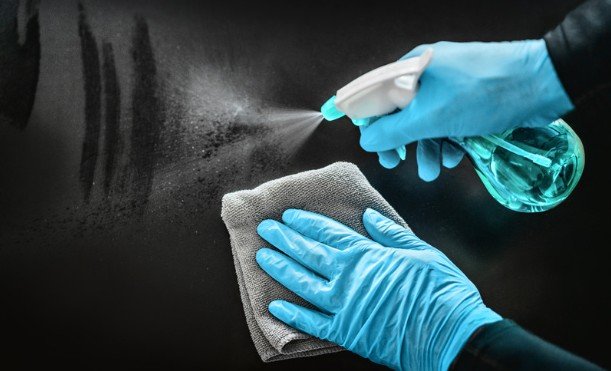
There is no single cleaning schedule that fits every home. A shared apartment with frequent guests has different needs from a quieter household.
Check busy touchpoints during your regular cleanup and clean when dirty. Frequently handled areas may benefit from daily attention, while less-used surfaces can fit into a broader weekly routine.
Increase attention after visitors, during illness, or following contamination. Food spills and raw meat juices need prompt action rather than waiting for cleaning day.
A schedule helps you reduce household dust and common allergens, but it is a reminder, not permission to ignore visible dirt.
Phones, remotes, and keyboards collect fingerprints and residue, but excessive moisture can damage them. Follow the device manufacturer’s cleaning instructions before choosing a product.
Turn devices off and unplug them where appropriate. Apply an approved cleaner to a cloth when instructed, keeping moisture out of openings. Avoid assuming every screen tolerates alcohol, bleach, or ordinary glass cleaner.
For light switches, avoid spraying directly onto electrical components. Wipe carefully with a suitably dampened cloth without soaking the switch plate.
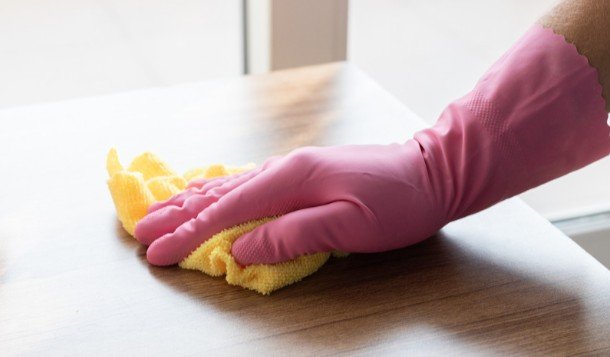
Focus on shared touchpoints used by the sick person, including bathroom handles, bedside surfaces, remotes, and faucets. Use an EPA-registered disinfectant labeled for the relevant surface and germ when disinfection is needed.
Read the required contact time: the surface must remain visibly wet for that period. A quick wipe followed immediately by drying may not achieve disinfection.
Ventilate as directed, follow protective-equipment instructions, and never mix cleaning products. Wash your hands after cleaning, even when gloves were worn.
Using the same dirty cloth everywhere can move contamination between areas. Spraying more product than directed adds exposure without guaranteeing better results.
Do not judge cleanliness by fragrance or shine. A scented surface is not necessarily disinfected, and a disinfectant is not automatically suitable for countertops, finished wood, or children’s toys.
Follow food-contact and toy-cleaning instructions carefully, including rinsing when required. Pair surface care with regular handwashing, particularly before preparing food and after using the bathroom.
Prioritize shared handles, switches, faucets, and devices; clean with suitable products; maintain clean cloths; and reserve disinfection for situations where additional germ control is needed.
Not necessarily. Routine cleaning is generally sufficient in everyday household conditions. Illness, contamination, and individual health risks can change whether disinfection is appropriate.
Some multipurpose cleaners suit several hard surfaces, but compatibility varies. Check labels and manufacturer guidance before applying products to electronics, stone, wood, or food-contact areas.
Follow the contact time printed on the product label. Times differ, so avoid assuming that every spray or wipe works after the same interval.
I find this routine easier to maintain because it focuses my attention where it matters. Instead of chasing spotless rooms, I check shared touchpoints, choose suitable products, and adjust when someone is ill.
Start with a few frequently handled objects tonight. Consistency makes everyday cleaning more practical, and knowing when extra disinfection is necessary helps keep the routine sensible.












One thought on “Healthy Cleaning Habits for Frequently Touched Surfaces: Stop Missing These Spots”