
I used to think better eating meant removing half my favorite foods. Then I learned how to improve nutrition without dieting by adding smarter foods first, not by turning every meal into a rulebook.
That shift made nutrition feel calmer. I still ate familiar meals, but I upgraded them with protein, fiber, color, healthy fats, and better drink choices. The result was more steady energy, fewer random snack cravings, and meals that felt satisfying instead of strict.
Most diets start with subtraction. No sugar. No carbs. No late-night snacks. No fun. That may work for a week, but it often makes everyday eating feel like a punishment.
A better approach is to improve the quality of what is already on your plate. The current Dietary Guidelines for Americans emphasize whole, nutritious foods while limiting highly processed foods, added sugars, and refined carbohydrates. That supports a practical “upgrade” mindset instead of a strict diet mindset.
This is why how to improve nutrition without dieting starts with one question: What can I add to this meal to make it work harder for my body?
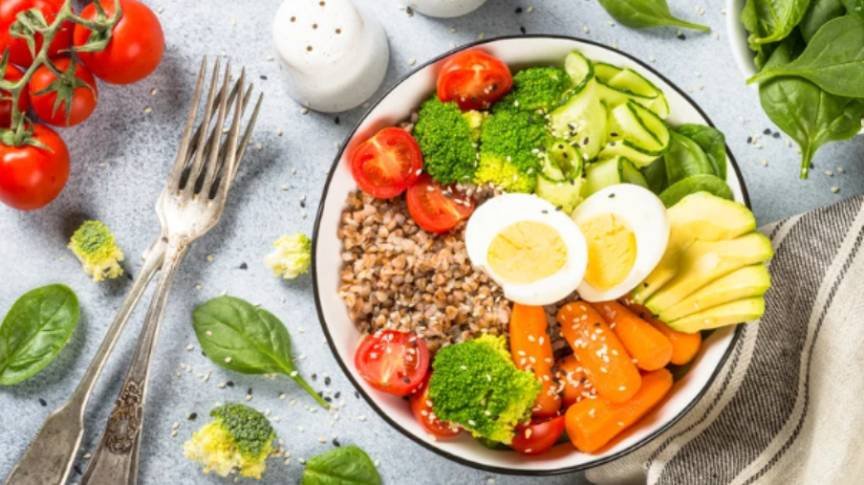
The add-first method is simple. Before removing anything, add one food that gives your meal more nutrition. It could be a vegetable, fruit, protein, whole grain, bean, seed, or healthy fat.
This method works because it changes the meal without making you feel restricted. Your usual sandwich, pasta, rice bowl, eggs, or smoothie can stay. You just make it more complete.
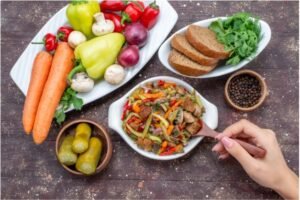
Color is the easiest upgrade. I aim to add one fruit or vegetable to meals that look beige. Eggs get spinach or salsa. Lunch gets cucumber slices or carrots. Dinner gets frozen broccoli, roasted peppers, or a side salad.
Frozen produce counts. It is quick, affordable, and easy to keep on hand. That matters on busy days when fresh produce quietly dies in the fridge.
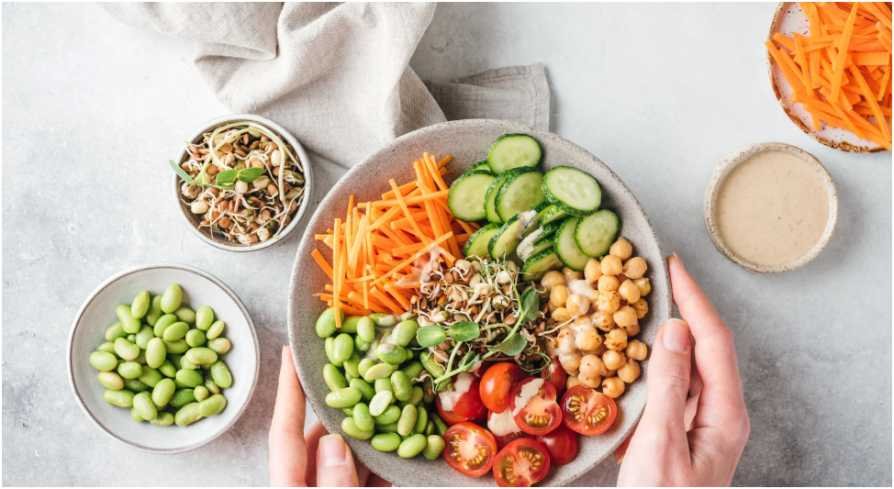
Protein helps make meals more filling. I use it as the anchor, especially at breakfast and lunch. Eggs, Greek yogurt, beans, lentils, tofu, fish, chicken, turkey, cottage cheese, and edamame all work.
A plain bagel may taste good, but it rarely keeps me full. A bagel with eggs and fruit feels completely different. The meal becomes more balanced without feeling like a diet meal.
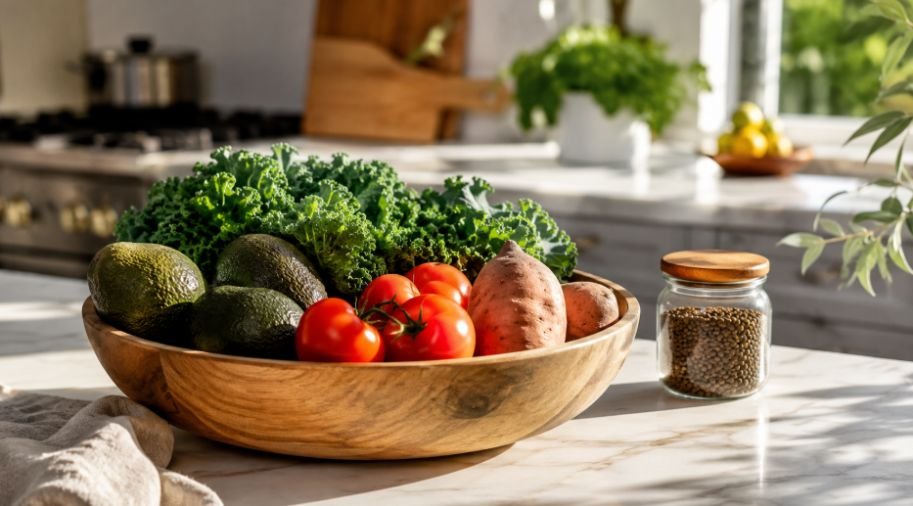
Healthy fats make meals taste better and feel more satisfying. I like avocado, olive oil, nuts, seeds, natural peanut butter, salmon, and tahini.
The trick is not to pour fat onto everything. It is to use a small amount where it improves flavor and fullness. A drizzle of olive oil can make vegetables taste like real food, not homework.
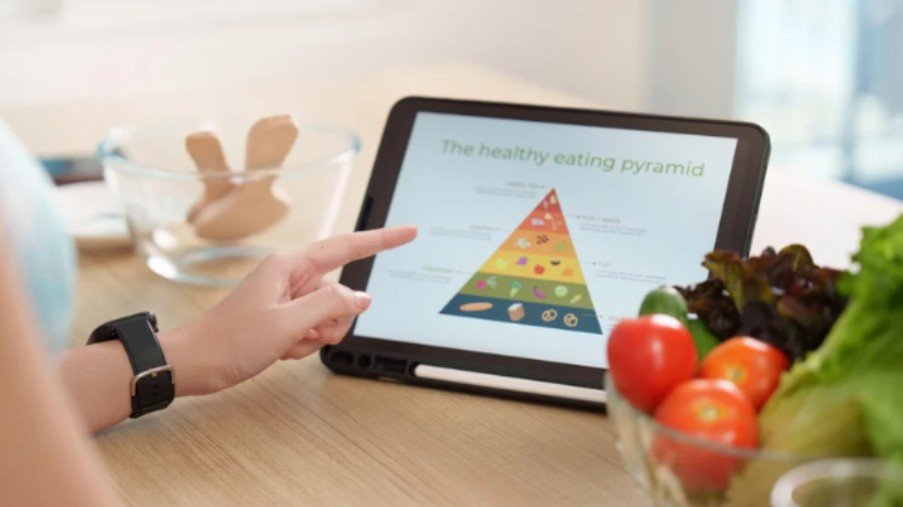
Counting every calorie can make eating feel stressful. I prefer a visual method because it is faster and easier to repeat.
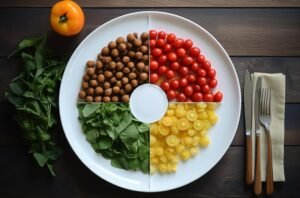
The Harvard Healthy Eating Plate recommends filling half the plate with vegetables and fruits, one quarter with whole grains, and one quarter with healthy protein. It also encourages water, coffee, or tea over sugary drinks.
That plate visual is useful because it works almost anywhere. At home, it may look like salmon, brown rice, and roasted vegetables. At a restaurant, it may look like tacos with beans, grilled protein, salsa, and a side of vegetables.
This is one of the easiest ways to practice how to improve nutrition without dieting because it focuses on balance, not restriction.
Carbs are not the villain. The quality of the carb matters more than the fear around it. Whole grains, beans, lentils, fruit, starchy vegetables, and oats bring fiber, minerals, and longer-lasting energy.
Refined carbs are not banned either. I just pair them better. If I eat pasta, I add lentils or chicken and vegetables. If I eat toast, I add eggs or peanut butter. If I eat rice, I add beans, vegetables, and protein.
For a deeper internal guide, use the anchor text how to choose healthy carbs for meals when linking to your related article.
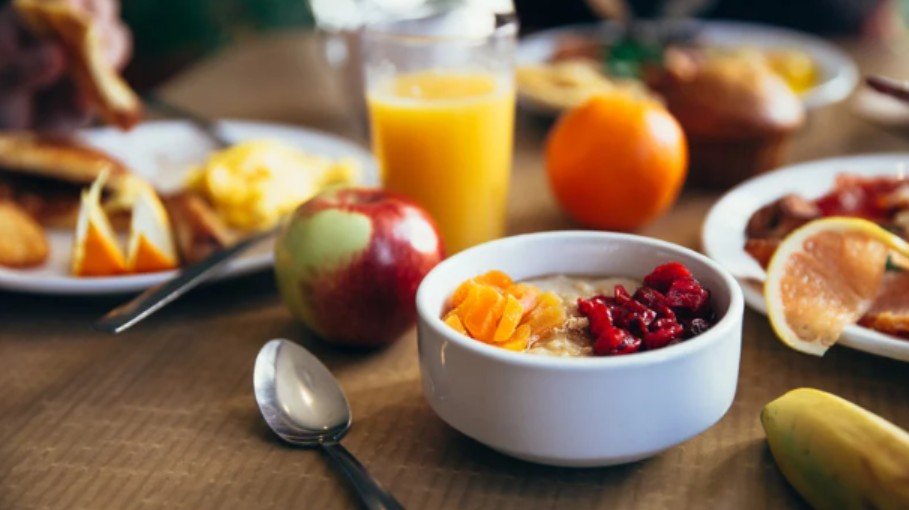
Small nutrition upgrades become powerful when you repeat them daily. Fiber, drinks, and packaged food labels are three easy places to start.
Choosing low sodium diet food can support this upgrade because it helps you reduce hidden salt in packaged meals, sauces, snacks, and restaurant-style foods without turning eating into a strict diet.
Fiber supports fullness and digestive health, but many meals are low in it. The FDA lists 28 grams as the Daily Value for dietary fiber on Nutrition Facts labels.
I do not chase that number perfectly. I just add fiber where it fits. Chia seeds go into yogurt. Beans go into rice bowls. Lentils go into soup. Apple skins stay on. Whole-grain bread replaces white bread when it tastes good.
This is not glamorous, but it works.
Sugary drinks can add a lot without making you feel full. I still like fun drinks, so I make swaps that feel realistic.
Sparkling water with lime, unsweetened iced tea, herbal tea, fruit-infused water, and coffee with less sweetener are easy changes. The goal is not to become a plain-water robot. The goal is to lower added sugar without hating your day.
Calories matter, but they do not tell the full story. A food can be low in calories and still offer little nutrition.
Learning how to read nutrition labels correctly makes this step easier because it helps you compare added sugars, sodium, fiber, serving sizes, and ingredients before choosing packaged foods.
I check the ingredient list first. Shorter lists are not always perfect, but they help me spot foods built mostly from refined flour, added sugars, and excess sodium. The FDA Nutrition Facts label also helps compare sodium, added sugars, fiber, and key nutrients across packaged foods.
Here is my favorite worked example because it feels real.
A regular day might start with toast, include a turkey sandwich for lunch, and end with pasta. Nothing is wrong with that. But it can become more nourishing with three additions.
At breakfast, I add eggs and berries to the toast. At lunch, I add carrots, hummus, and whole-grain bread to the sandwich. At dinner, I add frozen broccoli and lentils to pasta sauce.
The meals still feel familiar. I did not remove the toast, sandwich, or pasta. I simply added protein, fiber, color, and volume. That is the core of how to improve nutrition without dieting in real life.
Mindful eating does not need candles, silence, or a personality change. It can be as simple as slowing down for the first five bites.
I try to eat vegetables and protein before refined carbs when it feels natural. Research on food order suggests eating vegetables before carbohydrates can reduce post-meal glucose and insulin responses in some settings.
I also avoid eating full meals in front of a screen when I can. When I pay attention, I notice fullness sooner. I enjoy the food more. I stop treating lunch like a task I forgot to respect.
The CDC also connects healthy eating patterns with broader lifestyle habits like physical activity, sleep, and stress management. That matters because nutrition does not happen in a vacuum.
Yes, you can improve meals by adding protein, vegetables, fruit, fiber, and healthy fats before removing foods you enjoy.
Add one fruit or vegetable to one meal each day, then build from there once the habit feels automatic.
It means no strict food bans, but meal quality still matters, especially protein, fiber, whole foods, and drink choices.
Many people notice steadier energy and better fullness within a few days of adding protein, fiber, and balanced meals.
I like how to improve nutrition without dieting because it feels doable on normal days. It does not ask me to become perfect. It asks me to make the next meal a little stronger.
Start with one add-first upgrade today. Add spinach to eggs, beans to rice, berries to yogurt, or vegetables to pasta. Tiny upgrades may look boring, but they are the quiet habits that change everything.