
Walking down the grocery store aisle can feel like running a confusing nutritional gauntlet these days. Your desire to feel energetic, clear-headed, and vibrant often gets completely derailed by conflicting diet advice and impossible food rules.
Let us clear the air right now: learning how to start clean eating is not about deprivation, expensive specialty shops, or chewing on raw kale leaves until your jaw aches.
Key Takeaways
Ditching processed food factory experiments is the ultimate superpower your body has been waiting for. Learning how to start clean eating is necessary because modern grocery store food is packed with chemical preservatives that make you feel sluggish, bloated, and perpetually tired.
An anti inflammatory diet food list can guide your clean eating journey by helping you choose real foods that may support better digestion, steady energy, and a lighter everyday feeling.
Think of your body like a luxury sports car that needs premium fuel to perform optimally. Feeding it real, single-ingredient fuel instead of synthetic junk guarantees boundless daily energy, better sleep, and clear skin.
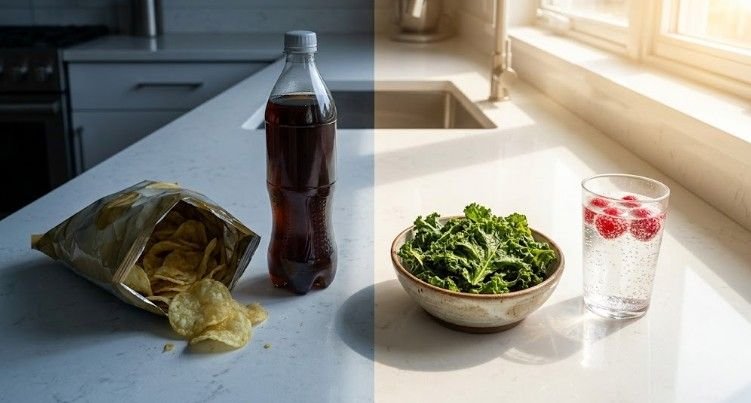
This lifestyle approach simply means choosing whole ingredients that are as close to their natural form as possible. Your body instinctively recognizes real food, and fueling yourself this way is the ultimate act of self-care. Start by swapping one processed item a day for a whole-food alternative, such as swapping potato chips for raw almonds.
Gradually build meals using fresh produce, lean proteins, and whole grains because this approach focuses on natural, minimally processed foods rather than complete dietary overhauls.
Shifting your everyday nutrition habits can feel incredibly easy when you understand the basic framework.

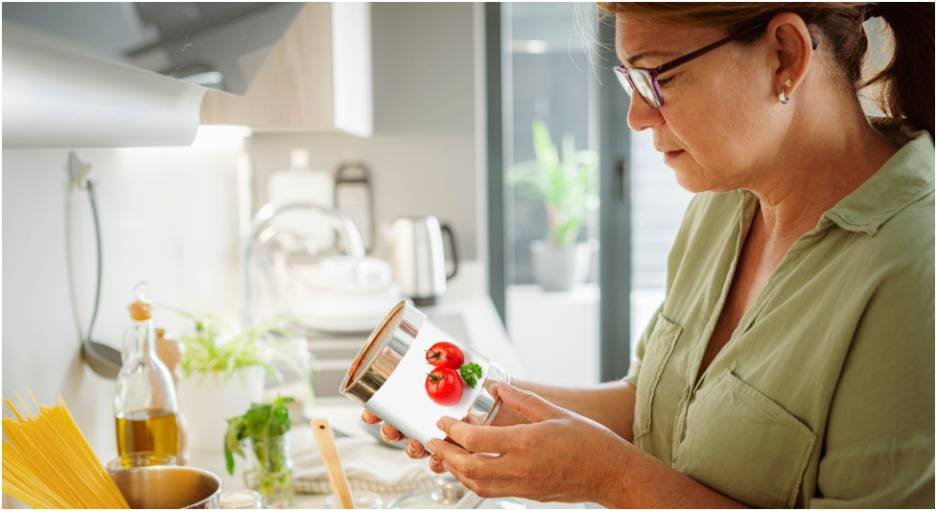
Becoming a casual detective by flipping packages over to read the nutrition label changes your entire relationship with food. Your main goal is to choose products with fewer, easily recognizable ingredients. A good rule of thumb is that if you cannot pronounce an ingredient, it likely is not clean.
Food manufacturers frequently hide excess sodium, artificial dyes, and cheap industrial seed oils in products marketed as healthy fitness foods. If a box contains a novel-length list of additives, stabilizers, and synthetic binders, your best move is to put it back on the shelf and look for a simpler alternative.
Grocery stores typically keep fresh produce, meats, and dairy on the outer edges of the building layout. Skip the heavily processed, sugary aisles in the center where food is engineered to be addictive.
The inner aisles are where heavily processed box mixes, synthetic food preservatives, and hydrogenated oils tend to live in abundance. Focusing your energy on the store’s perimeter naturally forces you to buy single-ingredient items that require no complex chemical breakdown by your digestive system.
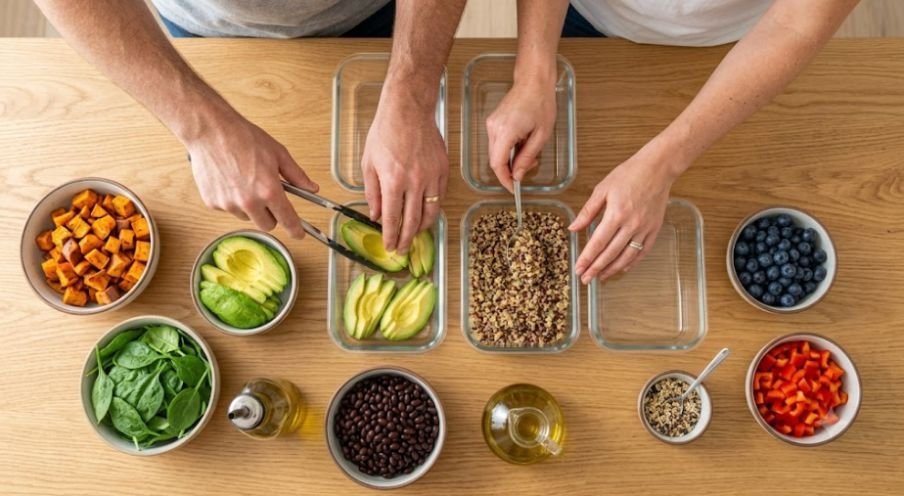
Avoid impulsive junk food choices by planning and packing your lunches and dinners ahead of time. Spending a couple of hours cooking on a lazy Sunday afternoon will save your budget and your health during a stressful work week.
When you have a delicious container of pre-cooked food waiting for you in the fridge, you are drastically less likely to order greasy takeout. Meal preparation removes the daily decision fatigue that usually leads to unhealthy dietary compromises.
Build meals around a foundation of leafy greens, fresh fruits, complex carbohydrates like brown rice or quinoa, and healthy fats like avocados or olive oil. These nutrient-dense options provide steady fuel without the dramatic blood sugar spikes caused by refined sugars.
Understanding the benefits of a plant based diet can make clean eating easier because both focus on real, colorful, minimally processed foods that support digestion, energy, heart health, and long-term wellness.
Every time you sit down to eat, aim to have a colorful plate that reflects a variety of natural agricultural items. Your body will thank you for the abundant vitamins, minerals, and antioxidants that support a thriving immune system.

You do not have to be perfect to see incredible results from this lifestyle shift. Aim to eat nutrient-rich foods eighty percent of the time, and allow yourself more indulgent foods the other twenty percent to stay consistent.
Obsessing over perfect ingredient lists creates mental stress that completely counteracts the physical benefits of nutritious food. Health is built over months and years of consistent, gentle choices, not destroyed by a single weekend slice of birthday cake.
You can easily learn how to start clean eating by drinking more water and replacing one processed snack with a whole food alternative today. Focus on adding fresh vegetables to dinner and buying products with fewer than five recognizable ingredients on the package label.
This rule means filling eighty percent of your daily plate with whole, minimally processed ingredients. The remaining twenty percent allows for flexible lifestyle indulgences, preventing diet fatigue and making your new healthy habits sustainable for the long haul.
A beginner should base their daily meals around fresh fruits, colorful vegetables, leafy greens, whole grains like brown rice, and lean proteins. Include healthy fats from avocados, raw nuts, seeds, and minimally processed oils like extra virgin olive oil.
Pick two simple dinner recipes to batch cook during the weekend so you have easy lunches ready for the week. Keep your breakfasts repetitive, stock your fridge with pre-cut raw vegetables, and avoid overcomplicating your grocery shopping list.
Embracing the journey of how to start clean eating is the most rewarding gift you can give your future self. Your body deserves to be nourished with vibrant, real ingredients that provide sustainable vitality rather than temporary chemical highs.
Focus on making one positive, mindful choice at a time, celebrate your small weekly victories, and enjoy the delicious path toward long-term wellness.