I have found that managing weight becomes less stressful when meals are satisfying, familiar, and easy to repeat. Instead of following rigid food rules, I choose balanced meal ideas for weight management that combine protein, fiber-rich carbohydrates, vegetables or fruit, and healthy fat.
This approach supports steady energy and leaves room for different budgets, schedules, cultures, and preferences. The aim is not perfection, but meals that support habits you can maintain.
Protein helps meals feel filling. Fiber from vegetables, fruit, beans, and whole grains supports digestion. Carbohydrates provide energy, while healthy fats improve flavor and satisfaction.
Fill about half the plate with vegetables or fruit, one quarter with protein, and one quarter with a high-fiber carbohydrate. Add avocado, nuts, seeds, olive oil, or tahini. This balanced approach is an effective way to learn How to Manage Weight Without Strict Dieting, as it emphasizes nutritious foods, portion awareness, and flexibility instead of restrictive eating. Adjust portions based on your hunger, activity level, and individual goals.
Fill a whole-grain wrap with scrambled eggs, spinach, tomatoes, and a little cheese. Add fruit for extra fiber. It takes about 10 minutes, and beans or tofu can replace the eggs.
Combine plain Greek yogurt with rolled oats, berries, chia seeds, and nut butter. Prepare it overnight for a quick breakfast containing protein, fiber, carbohydrates, and satisfying fat.
Top cooked oats with black beans, sauteed vegetables, salsa, and avocado. This affordable combination works well for anyone who prefers a savory breakfast.
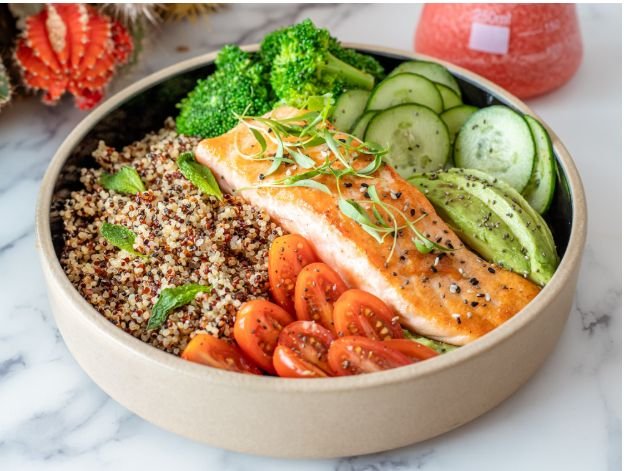
Combine chicken, brown rice or quinoa, roasted vegetables, greens, and a yogurt dressing. Use chickpeas, lentils, or tofu for a vegetarian option, and store the dressing separately.
Mix canned tuna with white beans, cucumber, tomatoes, herbs, lemon juice, and olive oil. Serve over greens or with whole-grain toast for a fast packed lunch.
Pair lentil and vegetable soup with whole-grain bread and yogurt or hummus. Make a large batch and freeze portions for days when cooking feels difficult.
Roast salmon, broccoli, peppers, and small potatoes on one tray with herbs, garlic, and lemon. This dinner offers protein, colorful produce, carbohydrates, and easy cleanup.
Layer lettuce or cabbage with lean turkey or seasoned beans, corn, tomatoes, brown rice, salsa, and avocado. Each person can adjust the ingredients to suit their needs.
Cook tofu with mixed vegetables, soy sauce, ginger, garlic, and a little sesame oil. Serve with brown rice. Frozen vegetables reduce preparation time and food waste.
Counting calories is not necessary for everyone. Start with the balanced plate guide, eat slowly, and notice when hunger begins to ease. Serve food on a plate instead of eating from a packet or container.
Increase protein and vegetables when more fullness is needed. Carbohydrate choices may be larger on active days and smaller on less active days. These changes should remain flexible, not punitive.
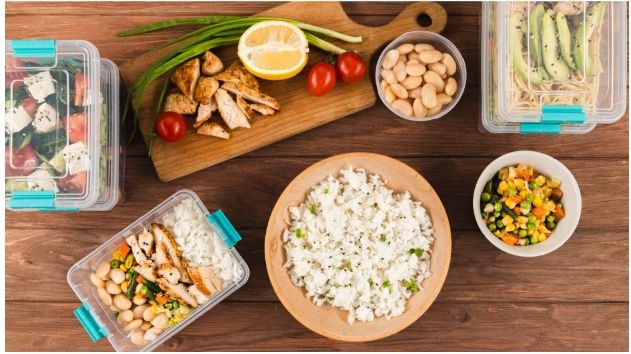
Affordable meals can rely on eggs, canned fish, beans, lentils, oats, frozen vegetables, seasonal fruit, potatoes, rice, and plain yogurt. Specialty products are rarely essential.
Choose two proteins, two carbohydrates, and several vegetables for the week. Cook larger batches and change the sauces or seasonings. Leftover vegetables can become wrap fillings, soup additions, omelet toppings, or grain-bowl ingredients.
A repeating pattern reduces daily decisions. Try grain bowls on Monday, tacos on Tuesday, soup on Wednesday, stir-fry on Thursday, a sheet-pan meal on Friday, vegetable pasta on Saturday, and leftovers on Sunday.
Change the ingredients with the season and household preferences. Repeating dependable meals is often more sustainable than finding a new recipe daily.
The best choices include protein, fiber-rich produce, a sensible serving of whole grains or another carbohydrate, and healthy fat. They should also be affordable, enjoyable, and realistic to prepare regularly.
Yes. Pair pasta or rice with vegetables, protein, and a flavorful sauce. Choose an amount that reflects your hunger and activity rather than treating carbohydrates as forbidden foods.
Yes. Beans, lentils, tofu, tempeh, yogurt, eggs, nuts, and seeds provide protein. Add whole grains, vegetables, and healthy fats to improve fullness.
Preparing a few components once or twice a week is often enough. Cooked grains, roasted vegetables, washed greens, and ready-to-use protein can make daily meals much faster.
I believe the most useful eating plan supports health without controlling everyday life. Balanced meals provide structure while leaving room for appetite, culture, convenience, and personal taste.
I would start with one meal that often feels rushed or incomplete. Add protein, a fiber-rich food, and a satisfying carbohydrate, then repeat what works. Small improvements made consistently can support weight goals better than a complicated plan abandoned after a few days.