
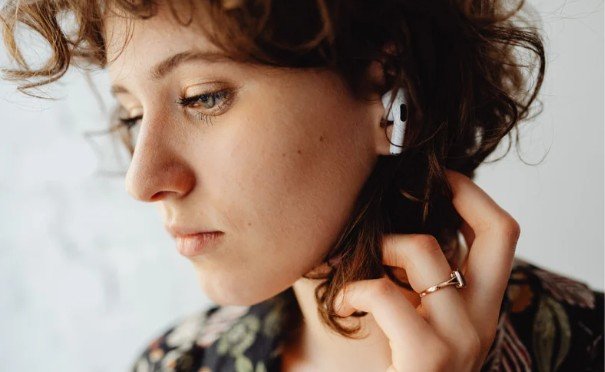
Music, podcasts, and audiobooks can make a morning commute or evening walk more enjoyable. I understand why earbuds become an everyday companion. But learning how to protect your hearing when using earbuds means paying attention to habits that are easy to overlook, especially gradually increasing the volume.
Protecting your hearing starts with lower sound levels, shorter exposure to loud audio, comfortable earbuds, and quiet breaks. You can still enjoy your favorite playlist. The goal is to make listening more intentional before ringing, muffled hearing, or difficulty understanding conversations becomes familiar.
Earbuds deliver sound through your ear canal to your hearing system. Inside the inner ear, delicate sensory cells help convert sound into signals your brain recognizes. Excessively loud sound can permanently damage these cells.
Risk depends on loudness, duration, and repeated exposure. A short listening session at very high volume can be harmful, while quieter listening generally allows more time with less risk.
Temporary ringing or muffled hearing after listening deserves attention. Symptoms fading does not mean repeatedly exposing your ears to the same sound level is harmless.

Start playback quietly, then raise the volume only enough to hear comfortably. Set it somewhere calm rather than beside traffic, a subway platform, or noisy gym equipment.
Keeping volume below 60% is a useful starting habit, but percentages are not standardized. Different phones, recordings, and earbuds can produce different sound levels at the same setting.
Use compatible headphone exposure monitoring to understand your listening level. Aim below an average of 80 decibels, and remember that quieter is better for extended sessions.
An adult exposure reference is 80 decibels for 40 hours weekly. At 90 decibels, that falls to four hours. These figures are guidance, not personal guarantees or listening targets.
Listening time accumulates across entertainment, work, and exercise. A podcast during breakfast, afternoon meetings, and an evening workout can create more exposure than you realize.
During extended sessions, remove your earbuds for several quiet minutes at least once an hour. Use a calendar reminder or natural stopping point, such as finishing a chapter.
Breaks reduce exposure, but they cannot make dangerously loud playback safe. Lowering the volume remains essential. Avoid treating an hourly pause as permission to restart at maximum volume.
Poorly fitting earbuds can let surrounding noise compete with your audio. Turning up the volume may feel like the easiest solution, but adjusting the fit is a better first step.
Try the supplied ear tip sizes and follow fitting instructions. Each ear may need a different size. A comfortable seal should help you hear clearly without pressure or pain.
Over-ear headphones are another option, especially if earbuds irritate your ears. However, their shape alone does not guarantee safer listening. Sound level and exposure still matter.

Understanding how to protect your hearing when using earbuds includes recognizing why background noise changes your behavior. On an airplane or crowded commuter train, you may raise playback volume without noticing. While traveling, healthy cleaning habits for frequently touched surfaces also deserve a place in your daily routine.
Active noise cancellation can reduce background sound, helping you keep audio quieter. Check your volume again after activating it rather than leaving your previous setting unchanged.
Ordinary noise-canceling earbuds are not substitutes for rated hearing protection around lawn equipment, power tools, or other hazardous noise.
Also consider your surroundings. Pause playback and remove earbuds whenever you need to hear traffic, announcements, or warning signals.
Built-in monitoring can reveal habits that your ears alone cannot reliably judge. Look for headphone safety, exposure notifications, or volume-limiting settings.
On an iPhone, open Settings, select Sounds & Haptics, then Headphone Safety. Enable Headphone Notifications and consider Reduce Loud Audio. Compatible devices also offer headphone level information.
Android features vary by manufacturer, software version, and connected earbuds. Check your device’s instructions for available controls.
Monitoring has limits. For example, some exposure summaries exclude calls. A low recorded total may therefore leave out part of your listening day.

Your ears experience more than headphone audio. Football games, concerts, leaf blowers, and loud fitness classes also contribute to exposure.
After a noisy activity, choose quieter entertainment rather than immediately adding loud music. Use properly fitted hearing protection when needed.
Keep earbud hygiene separate from sound safety. Cleaning helps manage buildup and irritation, but it does not prevent damage from excessive volume.
Follow the manufacturer’s cleaning instructions, let earbuds dry, and avoid sharing them. Never push cotton swabs or tools into your ear canal to remove wax.
Watch for persistent ringing, muffled sound, needing higher volume, or difficulty following conversations in restaurants.
Arrange an evaluation with an audiologist or ear specialist if symptoms persist or recur. Sudden hearing loss needs urgent medical attention.
Do not respond to unclear audio by repeatedly increasing volume. Pause, check your equipment, and consider whether your hearing has changed.
Begin with quieter playback, check exposure information when available, improve fit, and take quiet breaks. Keep these habits consistent across commuting, exercise, and entertainment.
There is no universal daily limit. Listening level, duration, other noise exposure, and individual hearing health all affect risk. Lower volume generally allows longer listening.
No. Price alone does not establish safety. Comfortable fit, effective volume controls, exposure monitoring, and your listening habits matter more than premium branding.
I would start with one change today: lower the volume before the next listening session. Then add monitoring, comfortable fit, and regular quiet breaks. These small decisions make hearing care easier to maintain. Enjoying audio should include protecting your ability to hear conversations, music, and everyday sounds for years ahead.












One thought on “How to Protect Your Hearing When Using Earbuds: 7 Smart Habits”