
Your digestive system responds to more than what’s on your plate. The timing of your meals, your sleep schedule, and even a short walk after dinner can influence how comfortably your gut works.
The good news? You don’t need expensive supplements or restrictive diets to make a difference. Simple daily habits to improve gut health naturally begin with ordinary choices, such as eating more fiber, drinking enough water, and managing stress.
These small changes support beneficial gut bacteria, encourage regular bowel movements, and help reduce occasional digestive discomfort. Understanding why they work makes them easier to maintain.
Your digestive tract contains trillions of microorganisms, collectively called the gut microbiome. These bacteria, fungi, and other microbes help break down certain dietary components, produce useful compounds, and interact with your immune system.
Some beneficial bacteria ferment dietary fiber into short-chain fatty acids, which help nourish cells lining the colon.
However, digestive health involves more than maintaining bacterial diversity. Regular bowel movements, comfortable digestion, adequate nutrition, and healthy communication between the gut and brain are equally important.
Consistency matters because your digestive system responds to repeated eating, sleeping, and activity patterns rather than occasional healthy meals.
Fiber supports regular bowel movements while providing nourishment for certain beneficial intestinal bacteria.
According to the National Institute of Diabetes and Digestive and Kidney Diseases, adults generally need 22–34 grams of fiber daily, depending on age and sex.
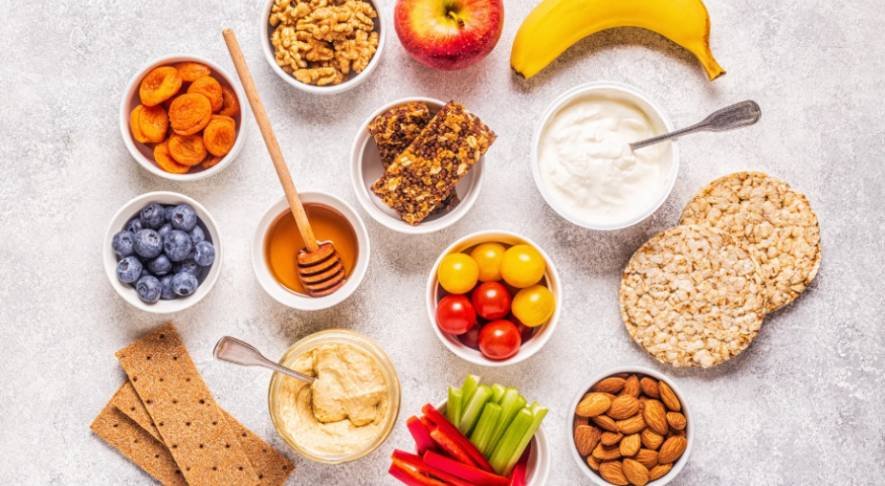
Build your intake gradually using familiar foods:
Foods such as onions, garlic, oats, and bananas also contain prebiotic compounds that certain gut bacteria can use.
Increase fiber slowly over several days or weeks. Adding too much immediately can worsen gas and bloating.

Fermented foods can introduce live microorganisms into your diet, although not every fermented product contains clinically proven probiotics.
A Stanford Medicine study involving 36 healthy adults found that a diet rich in fermented foods increased gut microbial diversity and reduced several inflammatory markers over a 10-week intervention.
The Stanford researchers’ findings suggest fermented foods can influence the microbiome, although the study was relatively small. Try plain yogurt with live cultures, kefir, kimchi, or refrigerated sauerkraut.
Start with a small serving and observe your tolerance. Choose unsweetened options when possible, and remember that fermented foods complement fiber rather than replace it.
Water helps keep stool soft and allows dietary fiber to work effectively. Instead of drinking large amounts at once, spread your fluid intake throughout the day.
Keep a reusable bottle nearby, drink water with meals, and include water-rich foods such as oranges, cucumbers, and soups.
Your needs vary according to physical activity, climate, medications, and medical conditions. Pale-yellow urine can be a useful hydration clue, although it isn’t a perfect measure.
Eating quickly can increase swallowed air and leave you feeling uncomfortable after meals. Chewing breaks food into smaller pieces and mixes it with saliva, beginning the digestive process before food reaches your stomach.
Try putting your fork down between bites and eating without scrolling through your phone. You don’t need to count every chew. Focus on eating comfortably, noticing fullness, and giving meals enough time.
Movement supports normal intestinal activity and may help relieve constipation. A comfortable 10–15-minute walk after lunch or dinner is a practical starting point, especially for people working desk jobs.
For broader health benefits, the CDC recommends at least 150 minutes of moderate-intensity aerobic activity weekly. Walking isn’t the only option. Gardening, swimming, cycling, and gentle stretching can all help you build a more active routine.

Your digestive system interacts with the body’s internal clock, which helps regulate daily physiological rhythms. Irregular sleep can influence eating patterns, stress responses, and digestive comfort.
The Centers for Disease Control and Prevention recommends at least seven hours of sleep for adults aged 18–60. Try maintaining consistent bedtimes, limiting late caffeine, and keeping your bedroom cool and dark.
If nighttime reflux or fullness bothers you, avoid large meals close to bedtime. Finishing dinner two to three hours before lying down may help.
Have you ever experienced stomach discomfort before an important meeting? The connection between emotional stress and digestive symptoms is physiological. The brain and intestines exchange signals that influence gut movement and sensitivity.
Harvard Health Publishing explains that stress can contribute to digestive discomfort, including nausea, cramps, and changes in bowel habits. Practice five minutes of slow breathing, take a screen-free break, or step outside for fresh air. Stress reduction doesn’t cure digestive disorders, but it can be a useful part of symptom management.

A gut-friendly diet doesn’t require eliminating entire food groups without a medical reason. Different plant foods offer different fibers, nutrients, and compounds that support overall digestive health.
Rotate vegetables, grains, legumes, fruits, nuts, and seeds throughout the week. For affordable meal planning, explore these healthy eating ideas on a tight budget.
If you also need to manage sodium intake, this low-sodium food guide can help you choose everyday ingredients.
Rather than changing everything overnight, introduce one manageable habit at a time.
| Day | Small action |
| Monday | Add one fiber-rich food to breakfast. |
| Tuesday | Drink water regularly throughout the day. |
| Wednesday | Try a small serving of yogurt or another tolerated fermented food. |
| Thursday | Walk for 10 minutes after dinner. |
| Friday | Eat one meal slowly without distractions. |
| Saturday | Follow a consistent bedtime routine. |
| Sunday | Review your digestion and plan meals for the next week. |
Track bowel movements, bloating, discomfort, and energy levels without becoming overly focused on every minor change.
Repeat the habits that fit your routine. Seven days can establish useful patterns, but it isn’t enough to guarantee measurable changes in your microbiome.
Bowel regularity may improve within days or weeks, while microbiome changes vary. Consistent eating habits, hydration, movement, and sleep matter more than expecting immediate results.
A fiber-rich breakfast with adequate fluids is a practical starting point. Oatmeal, fruit, and plain yogurt are convenient options for many people.
Yes. Many people can support digestive health through fiber-rich foods, varied meals, physical activity, hydration, and adequate sleep without purchasing supplements.
They may support symptom management, but IBS often requires individualized treatment. A healthcare professional can help identify food triggers and recommend appropriate dietary strategies.
A healthier gut isn’t built through one miracle food, an expensive supplement, or a week of strict dieting. It develops through everyday decisions that support digestion without making your life unnecessarily complicated.
Start with the easiest improvement: add fruit to breakfast, take a short walk after dinner, or establish a regular bedtime. Then build on that progress as your routine becomes more comfortable.
Pay attention to how your body responds, and make adjustments instead of following rigid rules. The most effective gut health routine is one you can maintain long after the initial motivation fades.