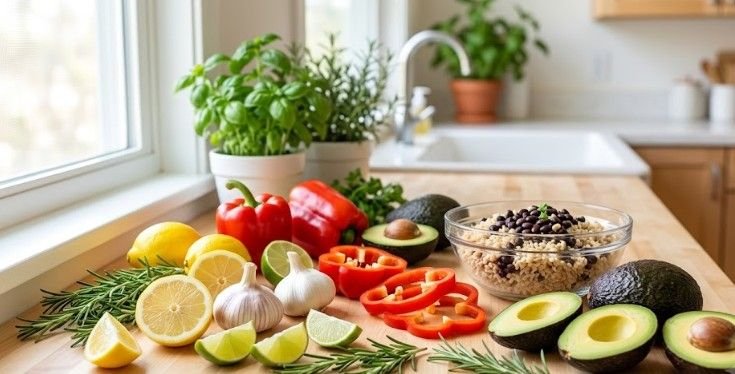

Getting enough fiber doesn’t mean filling your plate with endless salads or eating foods you don’t enjoy. I believe the easiest way to improve your daily fiber intake is to make small, practical changes to meals you already love.
Understanding how to eat 30 grams of fiber a day starts with choosing fiber-rich foods such as beans, whole grains, fruits, vegetables, nuts, and seeds. Instead of relying on one ingredient, you can spread your fiber intake across breakfast, lunch, dinner, and snacks.
The best part? You can reach your goal with affordable ingredients from everyday grocery stores while supporting digestion, gut health, and overall wellness.
Dietary fiber is a carbohydrate found in plant-based foods that your body cannot fully digest. It supports regular bowel movements, helps maintain healthy cholesterol levels, and can improve blood sugar management.
According to the National Institute of Diabetes and Digestive and Kidney Diseases (NIDDK), adults generally need about 22–34 grams of fiber daily, depending on age and sex.
For many adults, aiming for approximately 30 grams is reasonable, although individual needs vary. Since most Americans consume less fiber than recommended, gradually increasing fiber intake can make a meaningful difference.
Soluble fiber absorbs water and forms a gel-like substance that slows digestion. Oatmeal, beans, apples, and citrus fruits contain this type of fiber.
Insoluble fiber adds bulk to stool and supports regular bowel movements. Whole grains, vegetables, nuts, and fruit skins provide excellent sources.
I recommend including both types through a varied diet rather than concentrating on one specific food.

Choosing the right foods makes reaching your fiber goal surprisingly manageable. Legumes offer particularly high amounts, while fruits, vegetables, seeds, and whole grains make convenient additions.
| High-fiber food | Serving size | Approximate fiber |
| Cooked black beans | 1 cup | 15–17 g |
| Cooked lentils | 1 cup | 15–16 g |
| Cooked chickpeas | 1 cup | 12–13 g |
| Chia seeds | 2 tablespoons | 10 g |
| Ground flaxseed | 1 tablespoon | 3 g |
| Raspberries | 1 cup | 8 g |
| Pear with skin | 1 medium | 5.5 g |
| Apple with skin | 1 medium | 4.5 g |
| Cooked oatmeal | 1 cup | 4 g |
| Cooked barley | 1 cup | 6 g |
| Almonds | 1 ounce | 3.5 g |
| Baked sweet potato with skin | 1 medium | 4–5 g |
| Cooked green peas | 1 cup | 8–9 g |
| Cooked broccoli | 1 cup | 5 g |
Fiber amounts vary by preparation, portion size, and product. Check packaged-food labels for accurate serving information.
Beans, lentils, and chickpeas are among the most convenient fiber-rich foods available. They also provide plant protein, making them excellent additions to satisfying meals.
I like adding canned black beans to burrito bowls, chickpeas to salads, and lentils to homemade soups. Rinsing canned beans also helps remove excess sodium.
Raspberries, apples, pears, chia seeds, and flaxseed can increase fiber without complicated recipes.
For breakfast, combine oatmeal with berries and chia seeds. At lunch, choose quinoa, barley, or whole-wheat bread instead of refined grains.
Keep edible fruit and vegetable skins whenever practical. Properly washed apples, pears, cucumbers, and potatoes provide additional fiber when eaten with their peels.
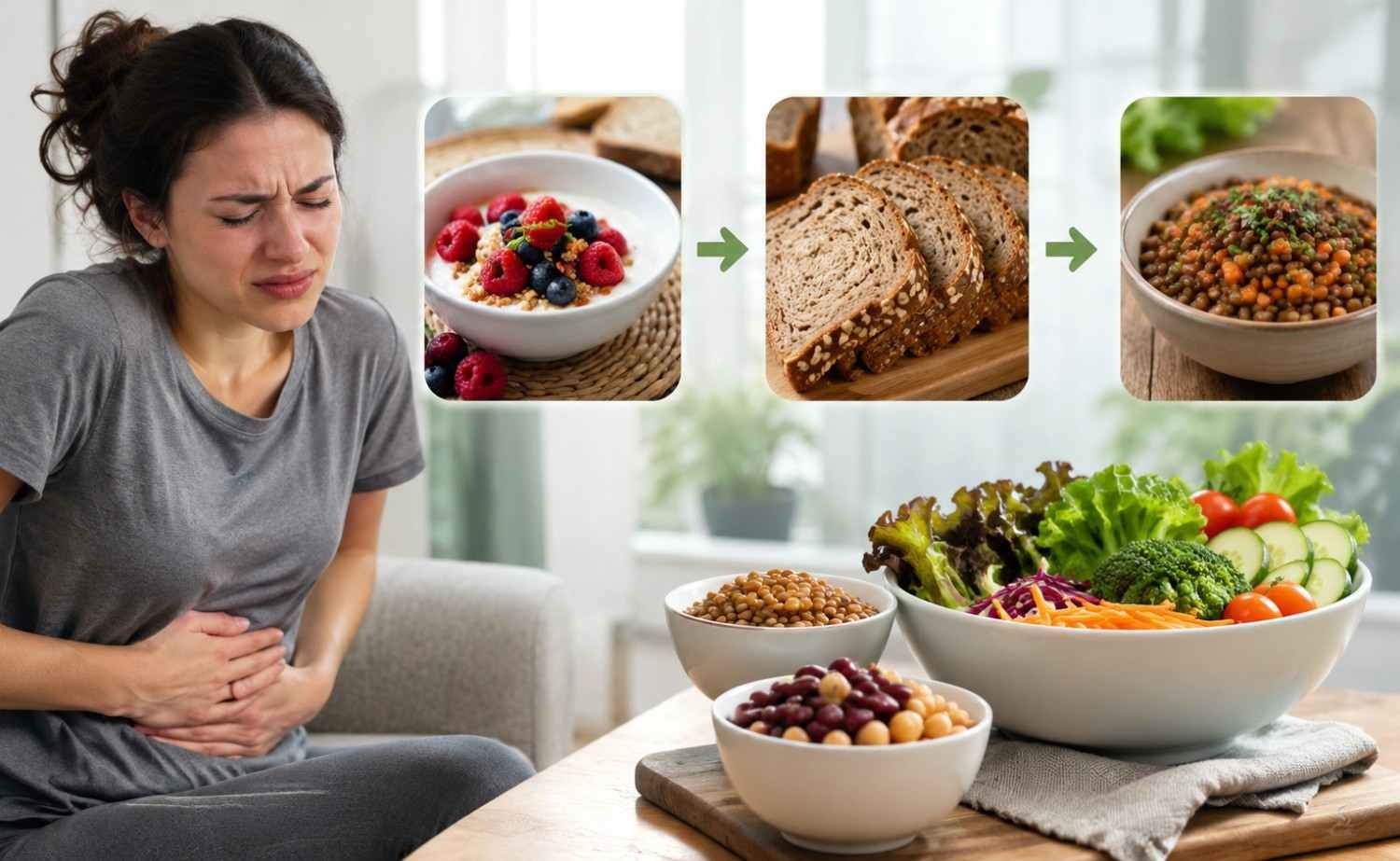
One of the simplest ways to understand how to eat 30 grams of fiber a day is to divide your target among three meals and one snack.
Here’s an example using familiar American meals and ingredients.
| Meal | Food and portion | Estimated fiber |
| Breakfast | 1 cup cooked oatmeal, ½ cup raspberries, 1 tbsp chia seeds | 13 g |
| Lunch | Burrito bowl with 1 cup cooked brown rice and ½ cup black beans | 10 g |
| Snack | 1 medium apple with skin and 1 tbsp peanut butter | 5 g |
| Dinner | 150 g cooked whole-wheat pasta and 1 cup steamed broccoli | 11 g |
| Total | 39 g |
This menu demonstrates how easily high-fiber foods add up. It exceeds 30 grams, so you can adjust portions or omit an ingredient to better match your needs.
For someone currently eating very little fiber, I would not recommend jumping straight to this menu. Start with smaller servings and build gradually.
Suddenly increasing fiber consumption can cause gas, abdominal cramps, and uncomfortable bloating. Your digestive system needs time to adjust.
I recommend making gradual changes rather than doubling your fiber intake overnight. For example, you might add approximately 2–3 grams at a time, maintain that level for a few days, and increase again as tolerated.
Start by adding berries to breakfast or replacing refined bread with whole-grain alternatives. Once these changes feel comfortable, incorporate larger servings of beans, lentils, and vegetables.
Fiber works best when you consume adequate fluids. Water helps soften stool and supports comfortable digestion.
Rather than automatically doubling your water intake, drink consistently throughout the day. Individual hydration requirements depend on activity, climate, body size, and medical conditions.
Rinse canned beans, cook dried legumes thoroughly, and introduce high-fiber ingredients in smaller portions.
Chewing thoroughly and spreading fiber across meals may also improve comfort. If you have irritable bowel syndrome or another digestive condition, ask a healthcare professional about suitable fiber sources.
Increasing fiber-rich foods can support several important aspects of long-term health.
Certain fermentable fibers nourish beneficial gut bacteria, while other fibers promote bowel regularity and help prevent constipation.
Soluble fiber can help reduce LDL cholesterol and moderate blood sugar increases after meals. Fiber-rich foods can also promote fullness, which may support healthy weight management.
I prefer getting fiber from whole foods whenever possible because they also supply vitamins, minerals, and other beneficial nutrients.

Tracking fiber doesn’t have to become a daily chore. I suggest checking Nutrition Facts labels when buying breakfast cereals, bread, tortillas, and other packaged products.
The Dietary Fiber line shows grams per serving, so always compare that amount with what you actually eat.
You can also use USDA FoodData Central to estimate fiber from fresh foods and homemade meals. After a few days of tracking, identifying fiber-rich meals becomes much easier.
Yes. Beans, lentils, whole grains, fruits, vegetables, nuts, and seeds can provide enough fiber without supplements. A varied eating pattern usually offers additional nutritional benefits.
Apples with peanut butter, pears, almonds, roasted chickpeas, raspberries, and whole-grain crackers with hummus are convenient options. Pairing fiber with protein can make snacks more satisfying.
Fiber-rich foods may help you feel fuller for longer, potentially supporting weight management. However, weight loss depends on your overall eating pattern, energy intake, and lifestyle.
Adjustment varies between individuals. Some people feel comfortable within days, while others need several weeks. Gradually increasing fiber and drinking enough fluids may minimize discomfort.
I believe healthy eating works best when it fits naturally into everyday life. You don’t need expensive supplements or restrictive meal plans to increase your fiber intake.
Start with whole-grain breakfasts, explore high-protein breakfast ideas without eggs that incorporate fiber-rich ingredients like oats, chia seeds, and nuts, add beans or lentils to lunch, include vegetables at dinner, and choose fruit or nuts for snacks.
Once you understand how to eat 30 grams of fiber a day, meeting your goal becomes less about counting numbers and more about making consistent food choices.
Focus on variety, increase your intake gradually, and build meals you genuinely enjoy. Those simple habits can support digestive health for years to come.