
A healthy smile takes more than a toothbrush, but it should not require a bathroom counter overflowing with products. I prefer a practical approach to oral hygiene habits beyond brushing your teeth: understand what each habit accomplishes, prioritize the essentials, and choose extras that fit your needs.
Cleaning between teeth, supporting saliva, and changing everyday drink choices can strengthen your routine. These steps complement brushing twice daily with fluoride toothpaste. Here are nine habits worth building into your day, without turning dental care into another overwhelming chore.
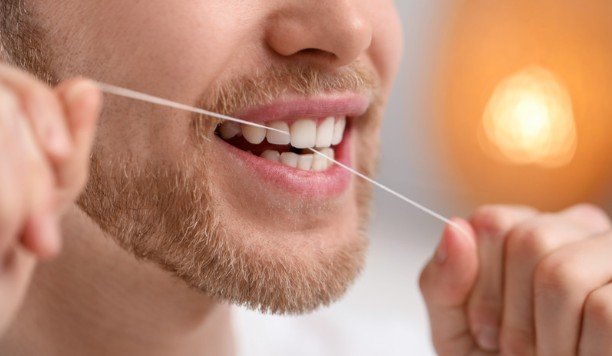
Your toothbrush cannot thoroughly clean the tight spaces between teeth. Plaque left there can contribute to cavities and gum inflammation, even when the visible surfaces look clean.
With string floss, guide it gently between teeth, curve it against one tooth in a C shape, and move it carefully up and down. Repeat against the neighboring tooth. Avoid snapping floss into your gums.
Traditional floss is one option. Interdental brushes and water flossers may suit different spaces, dental work, or dexterity needs. Ask your hygienist which tool and size fit your mouth. Consistent, appropriate technique matters more than buying the fanciest device.
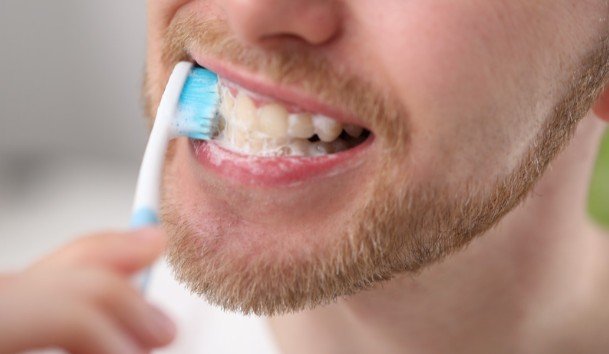
Your tongue can collect coating and debris that contribute to unpleasant breath. Gently cleaning it with a soft toothbrush or tongue scraper may help remove buildup.
Move carefully from farther back toward the front, staying within a comfortable range. Rinse the tool afterward. Pressing harder does not make cleaning more effective and can irritate delicate tissue.
Persistent bad breath deserves a dental evaluation, particularly when it continues despite regular cleaning. Repeated scraping or stronger breath products may leave the actual cause untreated.
Mouthwash is an optional addition for some people. It cannot replace mechanical cleaning with a toothbrush and an interdental tool.
Cosmetic rinses mainly provide temporary breath freshness. Therapeutic rinses contain ingredients intended for specific benefits, such as cavity prevention or gingivitis control.
Choose according to your needs rather than flavor or advertising. Products carrying the American Dental Association Seal of Acceptance have evidence supporting their accepted claims. Follow label directions and your dentist’s guidance about timing, especially with prescription rinses.
Saliva helps wash away debris, neutralize acids, and protect teeth. A frequently dry mouth can increase cavity risk and make speaking or swallowing uncomfortable.
Sip water regularly. Persistent dryness may involve medications or health conditions, so mention it during dental and medical appointments. Never stop prescribed medication without discussing it with your clinician.
Among oral hygiene habits beyond brushing your teeth, recognizing dry mouth is especially valuable because adding more cleaning products does not correct reduced saliva flow. Your dentist may recommend saliva substitutes or additional fluoride protection.

Fluoridated tap water can contribute to cavity prevention. Check your local water utility’s information rather than assuming every household water source contains the same fluoride level.
Plain water also makes a practical alternative to soda, sweetened coffee, sports drinks, and other sugary beverages.
Try finishing a sweetened drink with a meal instead of sipping it throughout the afternoon. Repeated sugar exposure gives plaque bacteria more opportunities to produce acids. Keeping water nearby makes that change easier during work, errands, and commuting.
What you eat matters, and repeatedly grazing on sugary snacks can create additional challenges for teeth.
Choose satisfying options such as plain yogurt, cheese, nuts when appropriate, or fresh produce. These choices can support a balanced diet without constantly exposing teeth to added sugar.
Whole fruit does not need to disappear from your menu. Focus on reducing frequent candy, sticky sweets, and sugary drinks rather than creating unnecessary food rules. Crunchy vegetables can be nutritious, but they do not scrub away plaque or replace cleaning.
Chewing sugar-free gum stimulates saliva, which can help clear food debris and counter acids. Chewing an ADA-accepted sugar-free gum for about 20 minutes after meals can provide an additional preventive benefit.
Keep a pack in your work bag for occasions when you are away from home.
Gum remains an extra, rather than a replacement for brushing or interdental cleaning. Skip it if chewing triggers jaw pain, clicking, or discomfort, and ask your dentist about alternatives.
Smoking and other tobacco use raise the risk of serious oral health problems. Getting support to quit can benefit your gums and long-term health.
Keep your cleaning tools usable, too. Rinse your toothbrush after brushing, store it upright so it can air-dry, and avoid sharing it.
Replace the brush or powered brush head about every three to four months, or sooner when bristles become frayed. Worn bristles are a useful reminder to refresh your setup.
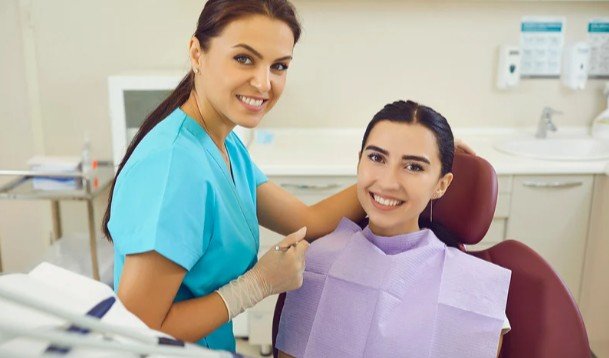
Home care and professional care work together. Your dentist can identify decay, evaluate gums, and remove hardened deposits that daily cleaning cannot remove.
Your appointment schedule should reflect your individual risk. Some people need more frequent follow-up because of gum disease, recurring cavities, or persistent dry mouth. Alongside dental care, make time for daily habits that help prevent digital eye strain from everyday screen use.
Do not wait for a routine appointment if you develop tooth pain, ongoing gum bleeding, loose teeth, or persistent bad breath.
Start with daily interdental cleaning, sensible sugary drink habits, and regular dental care. Add tongue cleaning or mouthwash according to comfort and individual needs.
No. A soft toothbrush can gently clean the tongue. A scraper is another option, but neither should cause pain or require aggressive pressure.
No. Rinsing does not replace physically cleaning between teeth. Choose an appropriate interdental tool, and use mouthwash only as an additional measure when helpful.
I would start with two changes today: make text easier to read and schedule genuine distance breaks. These simple steps can fit into a busy workday without requiring expensive accessories or a complete change in routine.
From there, I would adjust lighting, check screen placement, and pay attention to blinking during demanding tasks. Building these habits gradually makes them easier to maintain across work, phone use, and evening entertainment.
I would also avoid brushing off recurring discomfort. An eye examination can help identify dryness, prescription changes, or other concerns that workspace adjustments alone may not resolve.













One thought on “Oral Hygiene Habits Beyond Brushing Your Teeth: 9 Smart Moves”