
Your gut plays an important role in how your body digests food, absorbs nutrients, and maintains overall wellness. I believe that improving digestive health doesn’t require expensive supplements or complicated diets. Sometimes, the right foods can make a meaningful difference.
The best foods for gut health and digestion include probiotic-rich fermented foods, prebiotic vegetables, fiber-rich fruits, and natural digestive aids. These foods help nourish beneficial gut bacteria, support regular bowel movements, and may reduce certain digestive discomforts.
In this guide, I’ll explore everyday foods that support a healthy gut microbiome and share practical ways to incorporate them into your meals.
Your digestive system contains trillions of microorganisms collectively called the gut microbiome. These microorganisms help process certain nutrients, produce beneficial compounds, and support immune function.
A diverse, well-nourished microbiome contributes to digestive health. However, consistently eating highly processed foods while getting insufficient fiber can make it harder to maintain a balanced diet.
I recommend combining probiotic foods with prebiotic fiber sources. This approach supports existing gut bacteria while providing opportunities to consume beneficial live cultures.
Fermented foods are popular for digestive wellness because some contain live microorganisms. However, not every fermented product qualifies as a probiotic, and its benefits depend on the specific microorganisms present.
Plain yogurt with live and active cultures provides beneficial microorganisms and protein. Kefir, a fermented milk drink, contains a variety of microbial cultures.
I prefer unsweetened varieties to limit added sugar. Both work well with berries, oats, or smoothies. Some people also tolerate fermented dairy better than regular milk.
Kimchi and sauerkraut are fermented vegetables that may contain live lactic acid bacteria.
Choose refrigerated, unpasteurized products when seeking live cultures. These foods add flavor to sandwiches, rice bowls, and salads, although their sodium content deserves attention.
Tempeh is fermented soy that provides plant-based protein and fiber. Cooking generally destroys live microorganisms, so I consider it a nutritious fermented food rather than a guaranteed probiotic source.
Kombucha is fermented tea that may contain live cultures and organic acids. Select products with minimal added sugar, and remember that evidence for specific digestive benefits remains limited.

Prebiotics nourish selected beneficial intestinal microorganisms. Meanwhile, dietary fiber supports healthy bowel movements and may help prevent constipation.
Choosing the right carbohydrate sources can also make it easier to include fiber-rich foods in your daily diet. Whole grains, fruits, legumes, and vegetables provide carbohydrates alongside nutrients that support digestive health. Learn how to choose healthy carbs for meals to make more balanced food choices while increasing dietary variety.
Oats contain beta-glucan, a soluble fiber that supports digestive function and beneficial microbial activity.
Start your morning with oatmeal topped with berries or seeds. This affordable breakfast also contributes to heart health.
Chia and flaxseeds provide soluble and insoluble fiber that supports bowel regularity.
I recommend adding soaked chia seeds or ground flaxseed to yogurt and oatmeal. Introduce them gradually and consume adequate fluids to reduce discomfort.
These vegetables contain prebiotic compounds, including fructans, that beneficial gut bacteria can ferment.
Garlic and onions enhance everyday meals, while roasted asparagus makes a nutritious side dish. However, their fermentable carbohydrates can trigger bloating in people with sensitive digestion.
Bananas provide fiber and resistant starch, particularly when less ripe. Apples contain pectin, a soluble fiber that supports gut microbial activity.
These convenient fruits are easy to find at American grocery stores. However, apples and certain banana portions may cause symptoms in people sensitive to fermentable carbohydrates.
Lentils, black beans, and chickpeas provide fiber, plant protein, and nutrients that support digestive wellness.
I suggest adding rinsed canned beans to soups or grain bowls. Begin with smaller servings because suddenly increasing legume intake may cause gas.
Blueberries, raspberries, spinach, and kale provide fiber, vitamins, and beneficial plant compounds.
Raspberries are particularly fiber-rich, while leafy greens add nutritional variety. Combine them with whole grains and lean proteins for balanced meals.

Some foods contain compounds that may support digestive comfort. However, their effects vary, and they should not replace medical treatment.
Ginger contains bioactive compounds called gingerols and may help certain types of nausea.
I enjoy ginger tea after meals, although evidence that ordinary ginger servings consistently relieve bloating is limited.
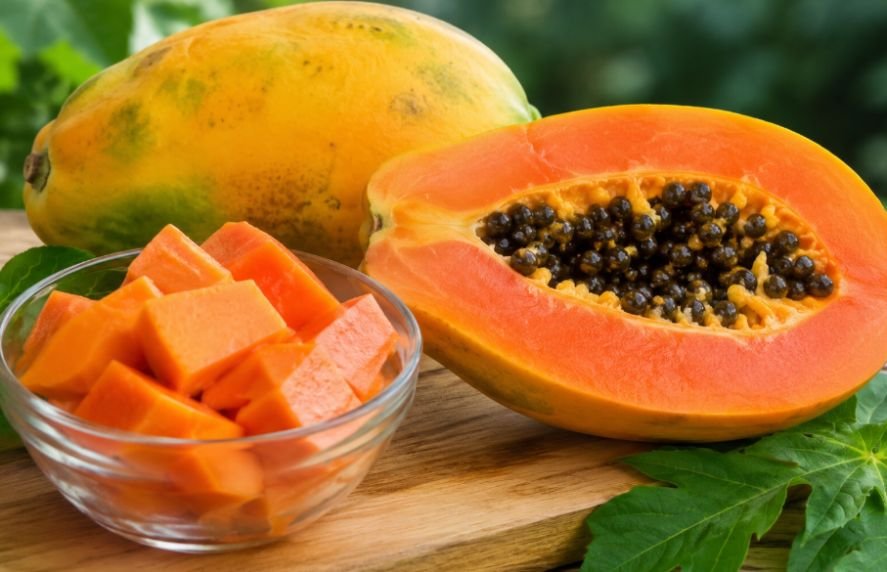
Papaya contains papain, an enzyme that helps break down proteins.
The fruit also supplies fiber and vitamin C. While papain has digestive properties, research has not established that eating papaya reliably prevents bloating.
Peppermint has traditionally been consumed as tea for digestive comfort.
Research suggests specially formulated peppermint oil may help some irritable bowel syndrome symptoms, but evidence for peppermint tea is less established. Peppermint can also worsen acid reflux.
Avocados provide dietary fiber, potassium, and heart-healthy monounsaturated fats.
I like adding avocado to whole-grain toast or salads. Moderate servings can fit into a balanced diet, but larger portions may cause discomfort for sensitive individuals.
You don’t need a complicated meal plan to enjoy the best foods for gut health and digestion. Small, consistent changes make healthy eating more manageable.
Breakfast is a convenient opportunity to combine protein with fiber-rich foods that support a balanced diet. If you prefer alternatives to eggs, options such as Greek yogurt, oats, seeds, and other protein-rich ingredients can help create satisfying morning meals. Explore these high-protein breakfast ideas without eggs for more ways to build nutritious breakfasts.
Supporting digestive health is also about choosing foods that deliver a wide range of essential nutrients. Including fruits, vegetables, whole grains, legumes, and other nutrient-rich ingredients can help create balanced meals while increasing dietary variety. Explore these nutrient-dense foods for daily meals for more ideas on incorporating nourishing ingredients into your everyday diet.
For breakfast, try oatmeal with Greek yogurt and blueberries. At lunch, prepare a brown rice bowl with black beans, spinach, and avocado.
Dinner could include baked salmon, roasted asparagus, and quinoa. For snacks, choose an apple with peanut butter or plain kefir.
These combinations provide dietary fiber, protein, and microbial diversity-supporting nutrients using ingredients commonly available at supermarkets throughout the United States.

Food choices work best alongside healthy lifestyle habits.
Water helps dietary fiber soften stool and support comfortable bowel movements. The National Institute of Diabetes and Digestive and Kidney Diseases recommends approximately 22–34 grams of fiber daily for adults, depending on age and sex.
Increase fiber gradually to avoid unnecessary bloating.
Greasy meals can aggravate indigestion and heartburn in susceptible individuals. Choose baked, grilled, or steamed meals more frequently, while keeping healthy fats in sensible portions.
Eating slowly may reduce swallowed air and help you recognize fullness. I recommend enjoying meals without rushing whenever possible.
Fiber-rich vegetables, whole grains, legumes, fruits, and fermented foods with live cultures can support a healthier gut microbiome. Dietary variety matters more than relying on one food.
The best foods for gut health and digestion include yogurt, kefir, oats, berries, bananas, lentils, chia seeds, and fermented vegetables. Choose options that meet your nutritional needs and digestive tolerance.
Oats, chia seeds, berries, and other fiber-rich foods may improve bowel regularity. However, some fermentable foods worsen bloating, particularly when introduced too quickly.
Gut bacteria can respond to dietary changes within days, but noticeable digestive improvements vary. Consistent eating habits over several weeks provide a more realistic approach.
I believe supporting digestive wellness starts with everyday habits rather than dramatic dietary changes. Adding fiber-rich foods, incorporating suitable fermented products, staying hydrated, and eating slowly can help create a healthier routine.
The goal isn’t to eat every gut-friendly food at once. Instead, focus on variety, gradual improvements, and understanding which foods your body tolerates best.
With consistent choices, you can build a sustainable eating pattern that supports digestion, bowel regularity, and long-term nutritional wellness.











2 thoughts on “Best Foods for Gut Health and Digestion: 21 Game Changers!”