Turning 40 brings changes that can make healthy eating feel more complicated. I believe understanding these changes is the first step toward feeling healthier, stronger, and more energetic.
Hormonal fluctuations, gradual muscle loss, and changing nutritional needs can influence weight, metabolism, and overall wellness. However, these changes don’t mean you need extreme diets or expensive supplements.
The right nutrition tips for women over 40 can help maintain muscle, protect bone density, support heart health, and encourage sustainable eating habits. Let’s explore simple dietary changes that can make everyday nutrition easier.
As women enter their 40s, perimenopause may bring fluctuating estrogen levels, changes in fat distribution, and irregular menstrual cycles.
Muscle mass can also gradually decline with age. This may reduce energy expenditure, especially when physical activity decreases.
Another factor is anabolic resistance, which describes a reduced muscle-building response to protein. It becomes more relevant with advancing age, making adequate protein and strength training increasingly important.
I recommend focusing on nutrient quality rather than dramatically reducing calories. Balanced meals can help manage these changes while supporting long-term health.
Protein helps maintain muscle, repair tissues, and support healthy metabolism.
I recommend including protein at every main meal instead of saving most of it for dinner.
A practical target for some active women is approximately 25–30 grams per meal. However, total protein needs vary with body weight, physical activity, and medical conditions. Around 100 grams daily may suit some women but isn’t necessary for everyone.
Excellent high-protein foods for women over 40 include eggs, chicken, Greek yogurt, cottage cheese, lentils, tofu, and salmon.
Combining adequate protein with resistance training helps protect muscle as we age.

Fiber supports digestion, healthy cholesterol levels, and blood sugar management.
Women ages 31–50 generally need approximately 25 grams of fiber daily, while those 51 and older need around 22 grams. Higher targets of 25–30 grams may work for some individuals.
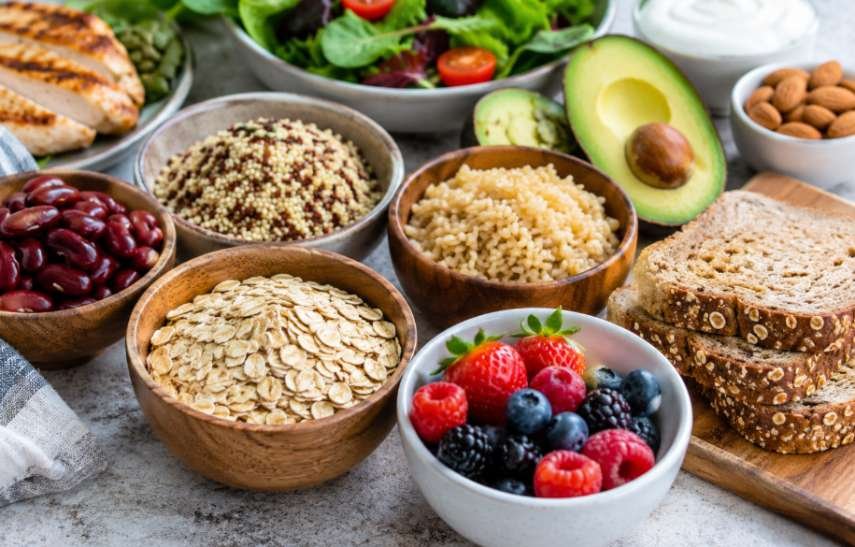
I prefer smart carbohydrates such as oats, quinoa, brown rice, beans, berries, and whole-grain bread.
These foods provide lasting fullness and support gut health.
Supporting digestive health becomes easier when you include a variety of fiber-rich foods and suitable fermented options in your daily meals. Oats, berries, legumes, yogurt, and other nutrient-rich ingredients can contribute to a balanced eating pattern while supporting gut health. Explore these best foods for gut health and digestion for more practical ideas to improve dietary variety and digestive wellness.
During menopause, changing fat distribution and insulin sensitivity may increase metabolic concerns. Pairing fiber-rich carbohydrates with protein and healthy fats creates more balanced meals.
Calcium, vitamin D, and magnesium deserve special attention during midlife.
Declining estrogen after menopause can accelerate bone loss and increase osteoporosis risk.
Women ages 40–50 generally need 1,000 milligrams of calcium daily, increasing to 1,200 milligrams after age 50.
Vitamin D helps the body absorb calcium, while magnesium supports bone formation and normal muscle function.
I recommend low-fat yogurt, fortified soy milk, calcium-set tofu, leafy greens, almonds, and pumpkin seeds.
Vitamin D sources include fortified dairy products, salmon, and certain mushrooms. Supplements may be appropriate when dietary intake is insufficient or a clinician identifies a need.
Heart health becomes increasingly important during the menopause transition.
Replacing some saturated fats with monounsaturated and polyunsaturated fats can support healthier cholesterol levels.
I recommend extra virgin olive oil, avocados, almonds, walnuts, flaxseeds, and fatty fish.
Salmon and sardines provide omega-3 fatty acids, which support cardiovascular health and normal cellular function.
These foods fit well into a Mediterranean-style eating pattern. However, omega-3s shouldn’t be considered a guaranteed treatment for joint pain or mood changes.
Balanced meals can support stable energy and help reduce large blood sugar fluctuations.
I suggest combining complex carbohydrates with protein and healthy fats.
For example, oatmeal with Greek yogurt and berries offers more nutritional balance than a sugary breakfast pastry.
Other options include whole-grain toast with peanut butter or grilled chicken with brown rice and vegetables.
Choosing balanced snacks between meals can also help women over 40 maintain a consistent eating routine. Combining protein-rich ingredients with fiber-containing foods, such as Greek yogurt with berries, nuts with fruit, or hummus with vegetables, can make snacks more satisfying and nutritious. Explore these healthy snack ideas with protein and fiber for practical options to include between meals.
Limiting sugary beverages and frequently choosing less-refined carbohydrates can also support metabolic health.
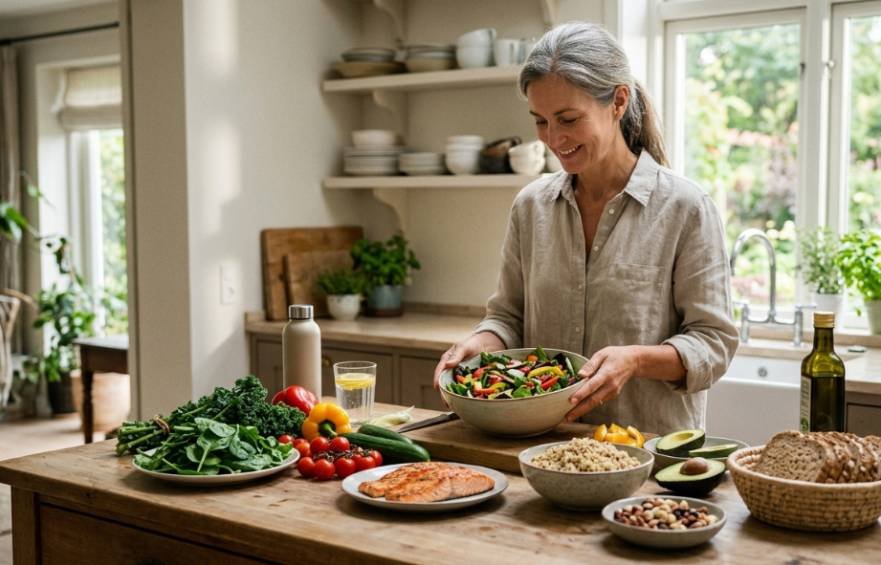
Iron, vitamin B12, and zinc contribute to everyday health.
Iron supports oxygen transport, while vitamin B12 helps maintain healthy nerves and red blood cells. Zinc supports immune function and normal cellular repair.
Women who continue menstruating generally need more iron than postmenopausal women.
I suggest including lean meat, beans, fortified cereals, seafood, eggs, and pumpkin seeds.
Pair plant-based iron sources with vitamin C-rich vegetables to improve absorption.
Colorful produce provides antioxidants, vitamins, minerals, and fiber that support healthy aging.
I try to fill half my lunch and dinner plate with vegetables.
Spinach, broccoli, bell peppers, carrots, blueberries, and strawberries are excellent choices.
Frozen produce can be just as convenient and nutritious as fresh options, making healthy eating affordable for busy American households.
Choosing nutrient-dense ingredients can make it easier to meet daily nutritional needs while building balanced meals. Along with colorful fruits and vegetables, include foods such as legumes, whole grains, nuts, seeds, and lean proteins to increase the variety of vitamins, minerals, and other essential nutrients in your diet. Explore these best nutrient-dense foods for daily meals for more ideas on choosing nourishing ingredients for everyday meals.
Hydration supports digestion, circulation, temperature regulation, and physical performance.
Drinking eight to ten glasses of water daily may be a practical starting habit, although individual requirements vary.
General guidance suggests approximately 2.7 liters of total water daily for adult women, including fluids from beverages and foods.
I recommend keeping water nearby throughout the day rather than waiting until you’re extremely thirsty.
Understanding how to improve metabolism after 40 starts with maintaining muscle and healthy activity levels.
I recommend avoiding crash diets that sharply reduce calorie intake.
Instead, prioritize sufficient protein, regular meals, strength training, walking, and adequate sleep.
These habits can support energy expenditure, muscle preservation, and sustainable weight management.
Frequently consuming foods high in added sugar, sodium, and saturated fat can make meeting nutritional goals more difficult.
I recommend checking Nutrition Facts labels and choosing more nutrient-dense alternatives when possible.
Try plain yogurt with fruit instead of heavily sweetened yogurt, or nuts instead of candy for everyday snacking.
Not all processed foods are unhealthy. Frozen vegetables, canned beans, and fortified foods can be nutritious and convenient.
The best diet for women over 40 emphasizes protein, fiber, healthy fats, and nutrient-rich foods.
A Mediterranean-style eating pattern offers a practical foundation for healthy eating after 40 for women.
It includes vegetables, fruits, legumes, whole grains, nuts, olive oil, and fish.
For women experiencing perimenopause, these foods can support cardiovascular health, digestion, and weight management without unnecessary restriction.
A healthy meal plan for women over 40 doesn’t need complicated recipes.
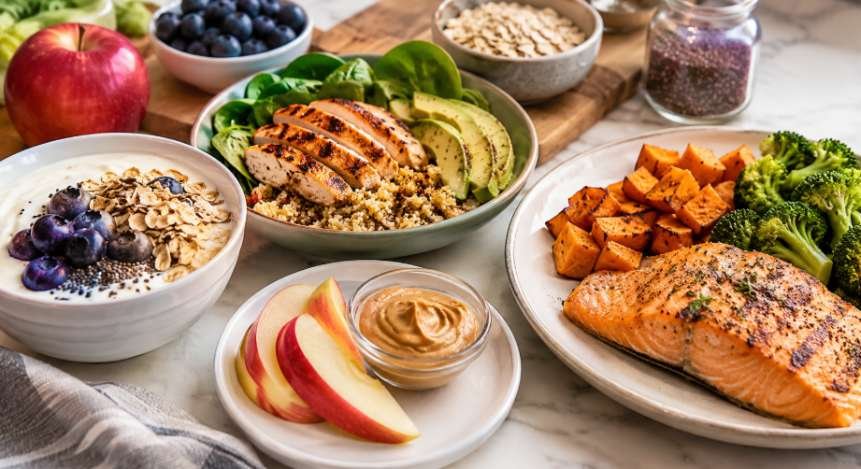
For breakfast, I recommend Greek yogurt with blueberries, oats, and chia seeds.
Lunch could include grilled chicken, quinoa, spinach, and avocado.
An afternoon snack might be an apple with peanut butter.
For dinner, baked salmon with roasted sweet potatoes and broccoli provides protein, fiber, and healthy fats.
Adjust portions according to your appetite, activity level, and nutritional needs.
The most effective nutrition tips for women over 40 include eating adequate protein, increasing fiber, getting enough calcium and vitamin D, choosing healthy fats, and staying hydrated. Consistent eating habits support energy, muscle maintenance, and healthy aging.
Women should regularly include vegetables, fruits, whole grains, protein-rich foods, nuts, and calcium-rich options. A varied diet helps provide essential nutrients and supports long-term wellness.
A balanced diet combined with strength training and regular physical activity may help manage body fat during menopause. However, no specific food can selectively eliminate belly fat.
Supplements may help when nutrient intake is inadequate or a deficiency is identified. However, I recommend consulting a healthcare professional before starting iron, vitamin D, calcium, or other supplements.
I believe healthy eating after 40 should feel empowering rather than restrictive. Our bodies may change, but practical food choices can help us maintain strength, energy, and confidence.
Focus on balanced meals, adequate protein, colorful vegetables, and consistent hydration. Small changes are easier to maintain than drastic dietary rules.
Most importantly, choose habits that fit your lifestyle. Sustainable nutrition is about supporting your health today while building a stronger foundation for the years ahead.













One thought on “Nutrition Tips for Women Over 40: 10 Healthy Eating Habits”