
Many people think becoming healthier requires a complete lifestyle reset. A new diet plan, an intense workout schedule, or a strict morning routine can feel exciting at first. But after a few weeks, real life gets busy, motivation changes, and those big transformations often become harder to maintain. The habits that usually stay are the ones that naturally fit into everyday life.
Maintaining long-term wellness is less about chasing perfection and more about creating consistent patterns that support the body and mind over time. Small choices like moving regularly, sleeping better, eating balanced meals, and managing stress may not feel life-changing immediately, but these repeated actions gradually shape long-term health.

Health trends often make wellness look complicated. People see major fitness challenges, restrictive eating plans, and unrealistic routines that require a lot of time and energy. While some approaches may create short-term results, they are not always realistic for everyday living.
Sustainable wellness works differently because it focuses on repeatable behaviors. A 15-minute walk every evening, preparing a nutritious breakfast, or creating a relaxing nighttime routine can become part of life without feeling like another responsibility.
Research around lifestyle medicine continues to highlight how daily behaviors influence overall well-being. Choices connected to movement, nutrition, sleep hygiene, and stress management all contribute to preventive health. The goal is not building a perfect routine but creating healthy habits that remain realistic through different seasons of life.
The body responds to repeated patterns. One healthy meal or one workout does not completely change health, just like one missed routine does not erase progress. Long-term improvement happens because small behaviors compound.
Daily wellness practices can influence important areas like blood pressure, blood sugar balance, inflammation levels, and energy regulation. Simple habits such as drinking enough water, choosing whole foods more often, and staying physically active help create a stronger foundation for healthy aging.
The same idea applies mentally. Smaller goals reduce pressure because they feel achievable. Instead of relying on constant motivation, simple routines lower decision fatigue. When a habit becomes automatic, it requires less effort to maintain.
For example, someone who starts with a short walk after lunch may eventually feel encouraged to increase movement in other areas. Small successes build confidence and make additional lifestyle changes easier.

The strongest wellness routines are usually built around basic choices done consistently. These actions may seem ordinary, but they play an important role in supporting physical and emotional health.
A few high-impact habits include:
Physical activity does not always need to mean long gym sessions. Walking, stretching, gardening, or simple exercises at home can support a more active lifestyle. The most effective movement routine is often the one a person can continue.
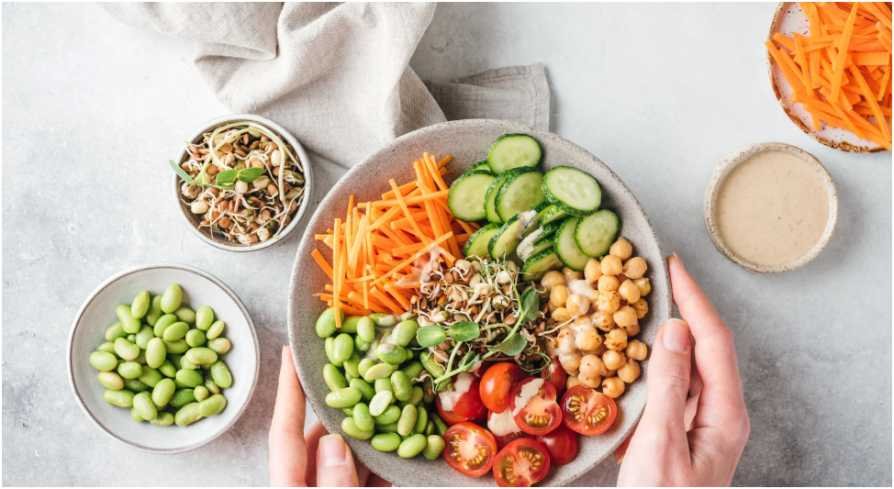
Nutrition works the same way. Instead of changing everything overnight, small improvements like adding another vegetable serving or reducing highly processed foods gradually support better eating patterns.
One reason people struggle with healthy habits is that they try to create routines that do not match their lifestyle. A person with a demanding schedule may find it difficult to follow a complicated wellness plan every day.
A more practical approach is connecting new habits with behaviors that already exist. For example, stretching after brushing your teeth, practicing deep breathing before checking emails, or taking a short walk after meals can make healthy actions feel natural.
Many people exploring realistic habit-building methods often ask what is wellness stacking because it focuses on combining small wellness actions with routines that are already part of daily life.
This approach works because it removes unnecessary pressure. Instead of rebuilding an entire schedule, people can improve their current lifestyle step by step.
Small habits are important because they are easier to repeat consistently. Daily actions connected to movement, nutrition, sleep, and stress management gradually support better health outcomes over time.
The timeline varies for every person. Building healthy habits depends on consistency, lifestyle, and how realistic the routine feels. Starting small often makes habits easier to maintain.
Simple choices like regular movement, balanced meals, proper hydration, quality sleep, and mindful breaks can improve physical and mental well-being when practiced regularly.
Yes, consistency usually creates better long-term results because motivation naturally changes. Simple routines help people continue healthy behaviors even when motivation is lower.
Maintaining long-term wellness happens through the ordinary decisions people repeat every day. The morning routine, the food choices, the moments of movement, and the way stress is managed all work together over time. Real wellness does not require constant lifestyle changes. It grows from understanding personal needs and creating routines that feel realistic enough to continue.
Small steps may not always feel powerful immediately, but repeated choices create lasting change. The habits people can actually maintain are usually the ones that make the biggest difference.