Choosing healthy snacks for insulin resistance doesn’t mean giving up delicious foods or avoiding every carbohydrate. I believe the smartest approach is to combine protein, healthy fats, and dietary fiber to help manage hunger and support more balanced blood sugar levels.
Whether you’re managing prediabetes, dealing with afternoon cravings, or improving your eating habits, simple food combinations can make a meaningful difference. From creamy Greek yogurt to crunchy roasted chickpeas, I’ll share satisfying options that fit into a busy American lifestyle without requiring expensive specialty products.
Insulin resistance develops when your body’s cells respond less effectively to insulin, making it harder to regulate blood glucose.
Eating carbohydrates alongside protein, fiber, or healthy fats can slow digestion and moderate how quickly blood sugar rises. Fiber also supports digestive health, while protein promotes fullness.
I recommend prioritizing minimally processed foods over products marketed as sugar-free or diabetic-friendly. The goal isn’t to prevent every glucose increase but to build a balanced eating pattern that supports long-term metabolic health.
Half a cup of cottage cheese typically provides around 12–13 grams of protein. Add one tablespoon of ground flaxseeds or pumpkin seeds for additional nutrients. Choose lower-sodium cottage cheese when possible.
Unsweetened Greek yogurt delivers protein, while raspberries and blueberries contribute fiber and antioxidants. I suggest adding chia seeds and cinnamon instead of sweetened toppings or flavored syrups.
Pair two tablespoons of hummus with sliced bell peppers, cucumbers, or carrots. Chickpeas contribute plant-based protein and fiber, making this a convenient alternative to refined snack crackers.
Combine 1 or 2 hard-boiled eggs with 1/4 cup mashed avocado. Eggs supply protein, while avocado contributes unsaturated fats and fiber. This low-carbohydrate combination can be particularly satisfying.

Edamame offers plant protein, fiber, and essential minerals. Steam frozen edamame and season with lemon juice or garlic powder for a quick afternoon snack.
Toss cooked chickpeas with olive oil, paprika, and garlic powder before roasting until crunchy. Their protein and fiber make them a nutritious alternative to conventional chips.
Top cucumber slices with smoked salmon or lean turkey. Both provide protein with relatively few carbohydrates. Choose lower-sodium varieties because smoked and processed meats can contain substantial sodium.
Mix canned light tuna with plain Greek yogurt, lemon juice, and herbs. Serve over fiber-rich whole-grain crackers for a protein-rich snack that requires minimal preparation.
Almonds, walnuts, pistachios, and macadamia nuts provide healthy fats and varying amounts of magnesium, fiber, and protein. Magnesium supports normal glucose metabolism. A small handful, approximately one ounce, is a practical portion.
Mix two tablespoons of chia seeds with unsweetened milk and refrigerate until thick. Add cinnamon or fresh berries for flavor. Chia seeds provide fiber and plant-based omega-3 fats.
Pumpkin seeds contribute protein, magnesium, and unsaturated fats. Pair a small portion with raspberries or blackberries for natural sweetness and additional fiber.

Pair part-skim mozzarella string cheese with flaxseed or whole-grain crackers. Protein from the cheese complements the carbohydrates in the crackers. Compare labels because seed-based products vary considerably in fiber and calories.
Beef or turkey jerky provides convenient protein for road trips and office breaks. Choose options with little added sugar and compare sodium levels. Limit heavily processed meats as part of your overall eating pattern.
A small apple with one tablespoon of unsweetened peanut butter combines fiber, protein, and healthy fats. I find this particularly practical when afternoon sweet cravings appear.
Spread almond butter over celery sticks for a crunchy, relatively low-carbohydrate snack. Choose almond butter without added sugar and keep portions moderate.
Spread mashed avocado over high-fiber crackers and add lemon juice or black pepper. This combination provides fiber and heart-healthy monounsaturated fats.
Popcorn is a whole grain that contains fiber. Combine approximately three cups of air-popped popcorn with a small portion of nuts instead of sugary toppings.
Mix ground flaxseeds into plain yogurt for additional fiber and healthy fats. Choose Greek yogurt for more protein and add cinnamon for flavor.
Combine half a cup of cottage cheese with cucumber slices, dill, and black pepper. This refreshing, protein-rich option works well when you prefer something savory.
When shopping for healthy snacks for insulin resistance, I recommend checking the Nutrition Facts label instead of relying on front-of-package marketing.
Compare total carbohydrates, fiber, added sugars, protein, and serving size. For packaged snacks, also consider saturated fat and sodium.
At major grocery chains such as Walmart, Kroger, Target, and Costco, you can find practical ingredients like plain yogurt, frozen edamame, nuts, eggs, and unsweetened nut butter.
High-protein snacks and high-fiber snacks for blood sugar control don’t need special branding. Simple combinations of everyday ingredients often work well.

Some foods marketed as healthy contain substantial amounts of refined carbohydrates or added sugar.
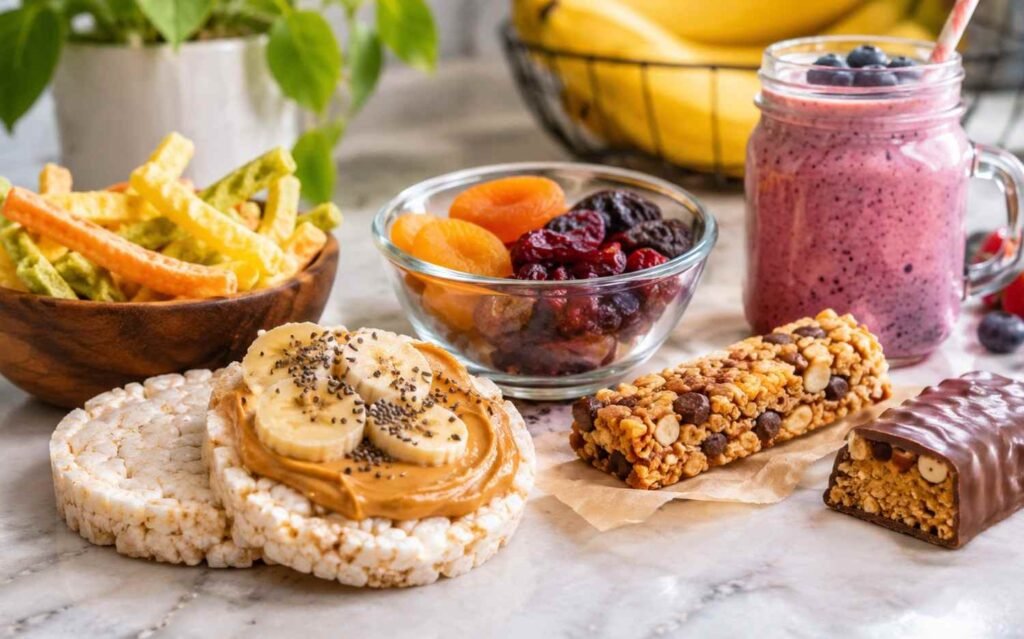
Rice cakes and veggie straws may provide relatively little protein or fiber when eaten alone. Pairing rice cakes with nut butter can make them more satisfying.
Certain protein bars contain added sugars or sugar alcohols such as maltitol, which may affect glucose responses or cause digestive discomfort. Choosing bars with lower added sugar and meaningful fiber and protein is sensible, but no single numerical cutoff suits everyone.
Dried fruit and packaged smoothies can contain concentrated carbohydrates. Choose reasonable portions, prioritize whole fruit, and pair carbohydrate-rich snacks with protein when practical.
These foods aren’t automatically forbidden. Their nutritional composition, serving size, and your individual response matter.
Bedtime snacking isn’t necessary for everyone. If you’re hungry, plain Greek yogurt, cottage cheese, or a small portion of nuts may be satisfying.
However, unnecessary late-night eating can increase overall calorie intake. People using insulin or medications that may cause hypoglycemia should follow personalized guidance from their healthcare team.
Greek yogurt with berries, nuts, eggs with avocado, roasted chickpeas, and hummus with vegetables are practical choices because they provide combinations of protein, fiber, and healthy fats.
Yes. Whole fruits provide essential nutrients and dietary fiber. Apples, berries, pears, and oranges can fit into a balanced eating plan, with portions adjusted to individual needs.
Protein can improve fullness, but low carbohydrate content alone doesn’t determine nutritional quality. I recommend considering fiber, healthy fats, overall ingredients, and serving size together.
There is no universal schedule. Some people prefer three balanced meals, while others benefit from planned snacks. Hunger, activity, medication, and individual glucose responses should guide your routine.
I believe managing insulin resistance becomes easier when nutrition feels practical rather than restrictive. Preparing healthy snacks for insulin resistance at home can help you avoid impulsive food choices while enjoying satisfying flavors. Exploring the best foods for gut health and digestion can also help you incorporate more fiber-rich, nutrient-dense ingredients into your daily routine.
Start with a few combinations you genuinely like, keep nutritious ingredients available, and adjust portions according to your needs. Alongside regular physical activity, adequate sleep, and balanced meals, these simple habits can support better metabolic health over time.