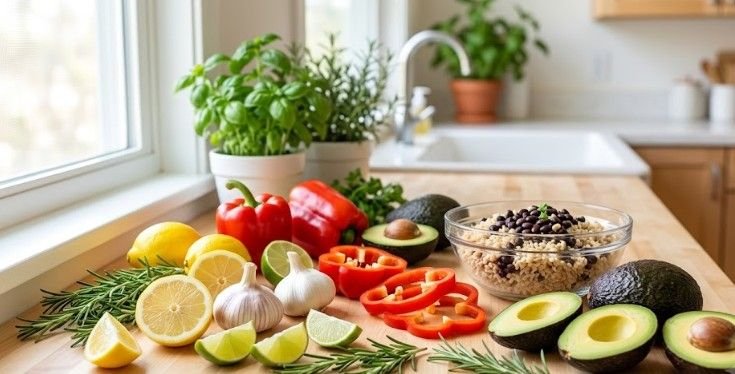

Good digestion starts with the everyday foods we choose. I’ve always believed that improving gut health doesn’t have to involve expensive supplements or complicated diets. Sometimes, adding a serving of yogurt, kefir, or fermented vegetables can make our meals more nutritious and interesting.
Choosing fermented foods with natural probiotics is one way to introduce beneficial microorganisms into your diet. However, not every fermented product contains living cultures, and not every live culture has scientifically proven probiotic benefits. Understanding these differences helps you make smarter choices at the grocery store.
Fermentation is a natural metabolic process in which microorganisms, including bacteria and yeast, transform carbohydrates and other food components into organic acids, alcohol, and additional compounds.
This traditional preservation method changes food flavors, improves the digestibility of certain ingredients, and sometimes increases nutrient availability.
Some fermented foods contain live microorganisms, including species of Lactobacillus and Bifidobacterium. However, only specific strains demonstrated to provide health benefits in adequate amounts qualify as probiotics.
According to the National Institutes of Health, probiotic effects depend on the particular microorganism and dose, rather than simply the number of bacteria present.
Consumer
The best fermented foods for gut health include cultured dairy products, salt-fermented vegetables, traditional soy foods, and fermented beverages.
Fermenting milk converts some lactose into lactic acid, potentially improving digestibility while creating distinctive flavors.
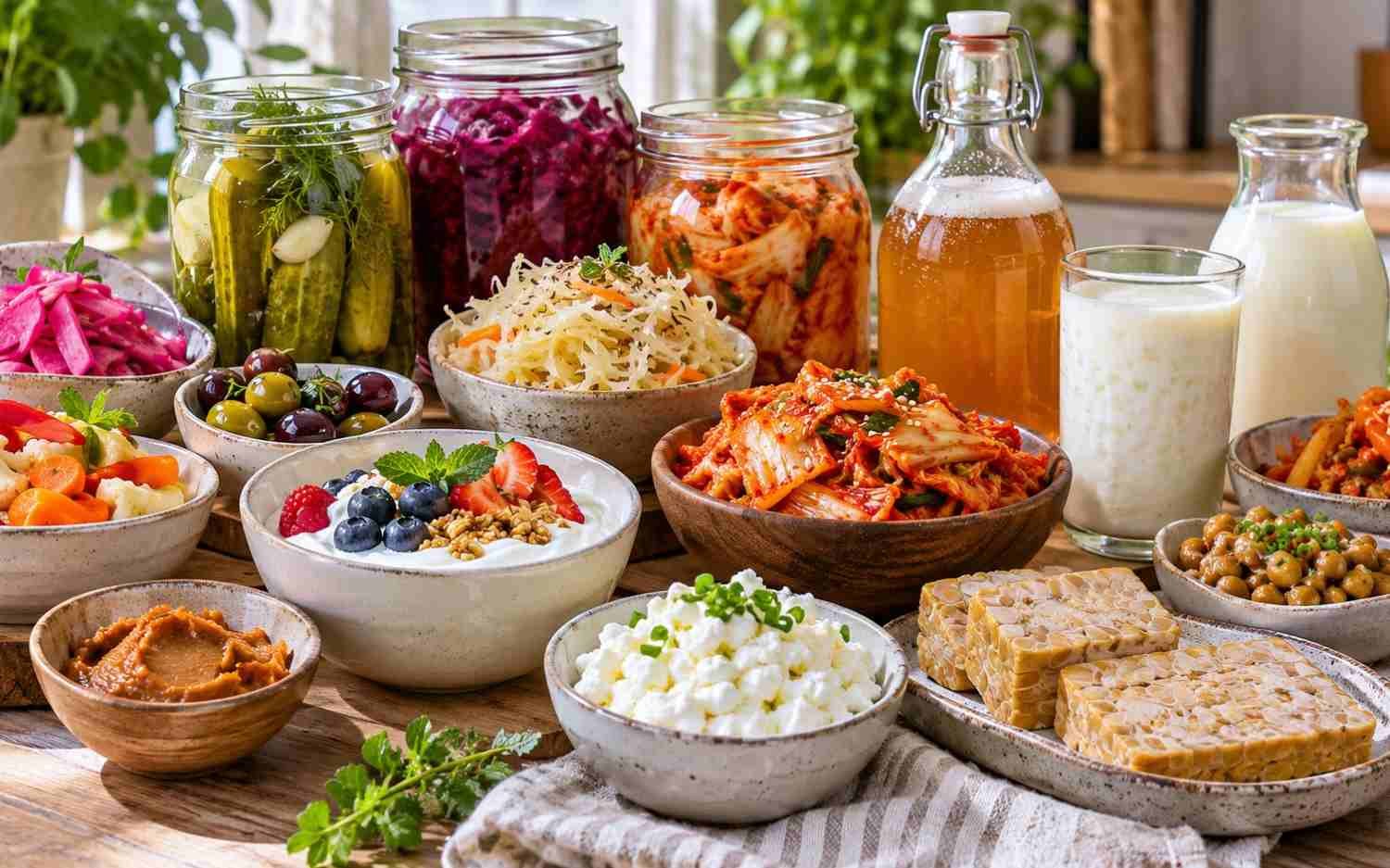
Yogurt is one of the easiest natural probiotic foods to find in American supermarkets. Manufacturers ferment milk using bacterial starter cultures.
I recommend choosing plain yogurt labeled “live and active cultures” and avoiding varieties loaded with added sugar. Certain products also contain specifically studied probiotic strains.
Kefir is a tangy, drinkable fermented milk made using cultures of bacteria and yeast. Traditional kefir can contain diverse microorganisms, although the number of species and strains varies between products.
Compared with conventional yogurt, kefir may offer greater microbial diversity, but that does not automatically make it more effective.
I prefer unsweetened kefir in smoothies or alongside breakfast.
Traditional buttermilk and some commercially cultured versions contain lactic acid bacteria. However, processing methods affect whether those microorganisms remain alive.
Check packaging for live-culture information before treating buttermilk as a probiotic source.
Some cottage cheese products contain added live cultures. Certain traditionally made cheddar and Gouda cheeses may also retain living microorganisms.
I recommend checking labels because aging alone does not guarantee clinically proven probiotics.
Vegetables fermented through lacto-fermentation use naturally occurring bacteria to convert sugars into lactic acid, often in a salt brine.
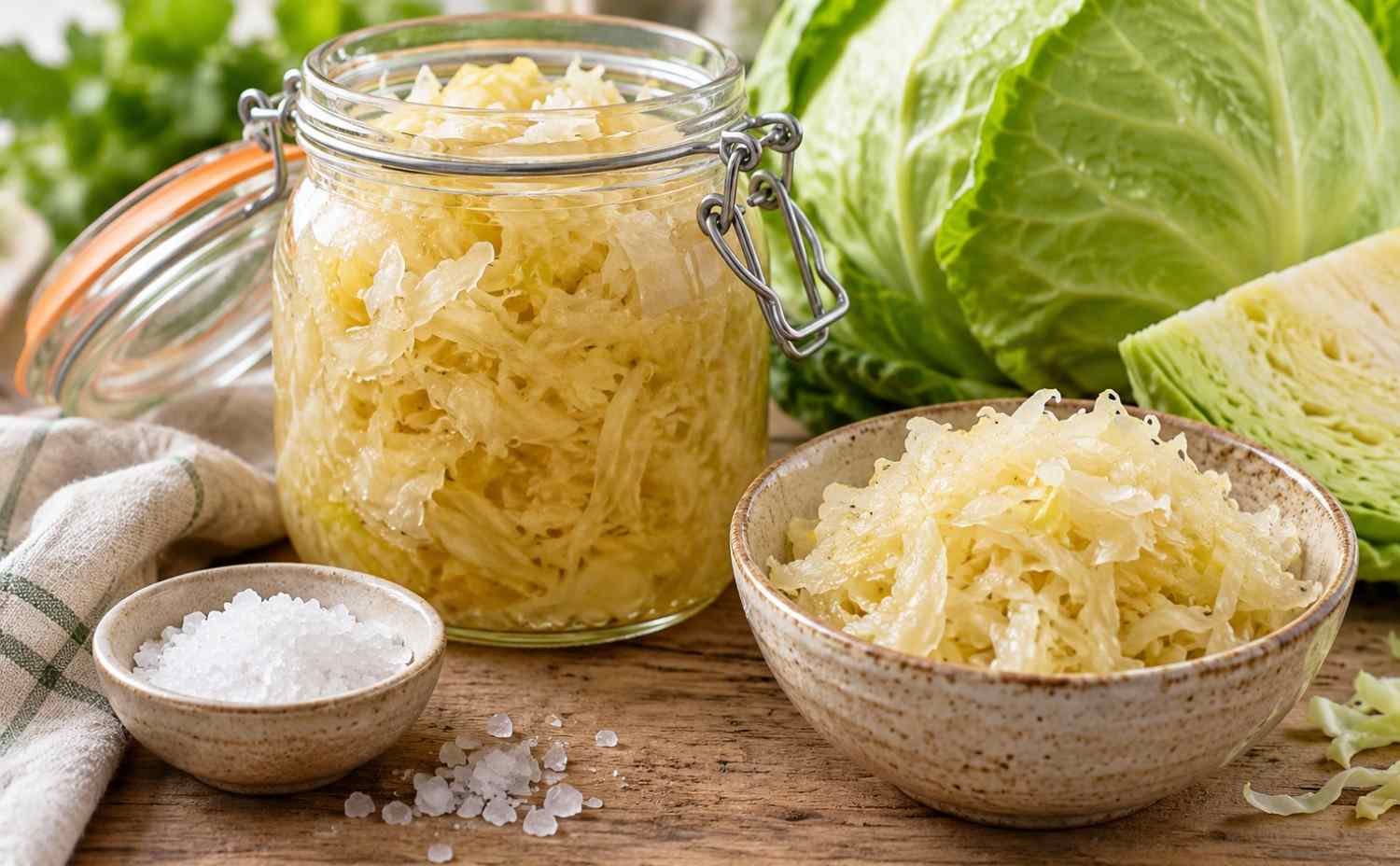
Sauerkraut combines shredded cabbage and salt, allowing lactic acid bacteria to develop during fermentation.
Unheated varieties may contain live microorganisms alongside fiber and vitamins C and K. Refrigerated products labeled with live cultures are useful options, but check sodium levels.
Kimchi combines fermented napa cabbage or radishes with garlic, ginger, chili peppers, and other seasonings.
It provides vegetables and potentially beneficial live dietary microbes. I enjoy serving kimchi alongside rice bowls or grilled dishes, although its sodium content makes portion awareness important.
Unlike conventional vinegar pickles, lacto-fermented pickles develop acidity through bacterial fermentation in salt brine.
Look for refrigerated, unheated products with live-culture labeling. Bubbles can occur during active fermentation but do not reliably establish safety or probiotic content.
Carrots, cauliflower, radishes, and beets can also undergo natural fermentation.
These crunchy additions provide variety and plant nutrients. I recommend properly prepared products from reputable suppliers, particularly for beginners.
Fermenting soybeans and grains can change their texture, flavor, and digestibility. However, cooking often eliminates living microorganisms.
Miso is a Japanese paste made by fermenting soybeans with koji, sometimes alongside rice or barley.
Its savory flavor makes it excellent for soup and dressings. When preserving live cultures matters, I stir unpasteurized miso into warm dishes after removing them from direct heat.
Tempeh is a firm, protein-rich food made by fermenting soybeans with beneficial molds.
It offers a nutritious meat alternative and can be easier to digest than some unfermented soy preparations. Since tempeh is generally cooked before eating, I value it primarily for its protein and nutritional qualities rather than live probiotics.
Natto contains fermented whole soybeans traditionally prepared using Bacillus subtilis var. natto.
It provides protein and vitamin K2, although cardiovascular benefits should not be overstated.
People taking warfarin should consult their healthcare professional before eating natto because its vitamin K content can affect treatment.
Traditional idli and dosa batter combines rice and black gram, allowing naturally occurring microorganisms to ferment the mixture.
Fermentation changes the batter’s flavor and may improve certain nutritional properties. However, steaming idli or cooking dosa destroys most live microorganisms, making the finished dishes fermented foods rather than reliable probiotic sources.
Kombucha is a fizzy fermented tea made with a symbiotic culture of bacteria and yeast, commonly called a SCOBY.
Some products contain live microorganisms, but their specific probiotic benefits remain uncertain. I recommend commercially prepared kombucha with modest added sugar and clearly labeled alcohol content.
Kanji is a traditional fermented drink often prepared with purple carrots, mustard seeds, and water.
Its tangy flavor provides an interesting alternative to other fermented beverages. While it may contain live microorganisms when properly prepared, specific probiotic benefits are not well established.

Not all fermented products contain living bacteria. Pasteurization after fermentation, high-temperature cooking, and certain manufacturing processes can eliminate live cultures.
I recommend choosing products labeled “contains live and active cultures” and following their storage instructions. Refrigeration can help preserve cultures in some foods, although not every probiotic-containing product requires refrigeration.
Also, remember that vinegar-only pickling does not create the same microbial fermentation as natural salt-brine pickling.
For products making specific probiotic claims, identified bacterial strains and supporting research matter more than impressive colony-forming unit (CFU) numbers alone.
isappscience.org+1
The best way to enjoy fermented foods with natural probiotics is to introduce them gradually and combine them with an overall nutritious diet.
I suggest beginning with approximately one tablespoon of sauerkraut or one-quarter cup of kefir, then adjusting portions based on individual tolerance. These are practical starting examples, not medically established probiotic doses.
High temperatures can destroy live microorganisms. Add fermented vegetables after cooking or stir unpasteurized miso into warm, rather than boiling, liquids when preserving cultures is important.
Prebiotic-rich foods, including garlic, onions, leeks, oats, and bananas, provide substrates that selected beneficial gut microorganisms can use.
I recommend combining fermented foods with fiber-rich meals rather than relying on one product to improve digestion.
Kefir and certain yogurts can contain multiple living microbial strains. However, probiotic effectiveness depends on scientifically studied strains and adequate quantities, not simply the highest bacterial count.
Many healthy adults can enjoy fermented foods daily. Start gradually, monitor digestive comfort, and consider sodium, added sugar, allergies, and individual medical needs.
Fermented foods offer nutritional benefits and sometimes contain living microorganisms. Supplements may supply specific studied strains at measured doses. Neither option is automatically superior for every person.
No. Cooking, pasteurization, and other processing steps may eliminate microorganisms. Even foods containing live cultures do not necessarily contain strains with demonstrated probiotic benefits.
I believe lasting digestive wellness comes from consistent, balanced eating habits rather than chasing a single superfood.
Adding yogurt to breakfast, enjoying kimchi with lunch, or trying kefir in a smoothie makes it easier to explore fermented foods without changing your entire diet. Many fermented dairy products also complement a diet that includes calcium-rich foods for postmenopausal women, supporting both digestive wellness and bone health.
Choose products carefully, include plenty of fiber-rich vegetables and whole grains, and pay attention to how your body responds. Small, practical dietary improvements can help build a more varied and nutritious eating routine.