

A healthy lunch can leave your stomach feeling surprisingly uncomfortable. Even foods praised for their nutritional benefits, including beans, broccoli, and whole grains, can trigger digestive discomfort in certain people. Understanding the common daily food triggers that cause bloated feeling starts with recognizing how your digestive system responds to different ingredients.
Research referenced by the National Institutes of Health suggests that 16% to 31% of people experience bloating. Yet the problem isn’t always overeating. Sometimes, an ordinary breakfast ingredient or seemingly harmless afternoon snack is responsible. The encouraging news? Small dietary adjustments can often make a noticeable difference without eliminating entire food groups.
Bloating describes an uncomfortable sensation of abdominal pressure, tightness, or fullness. Your stomach might appear swollen, although visible swelling doesn’t always accompany the sensation.
According to the National Institute of Diabetes and Digestive and Kidney Diseases, digestive gas is normal, and research suggests that approximately one in five Americans experienced bloating during the previous week in a large national survey.
Several digestive processes explain why this happens.
Importantly, a bloated sensation doesn’t necessarily mean your body produces excessive gas. Constipation and increased intestinal sensitivity can also contribute.
Some of the most common daily food triggers that cause bloated feeling appear regularly in American breakfasts, lunches, and dinners.
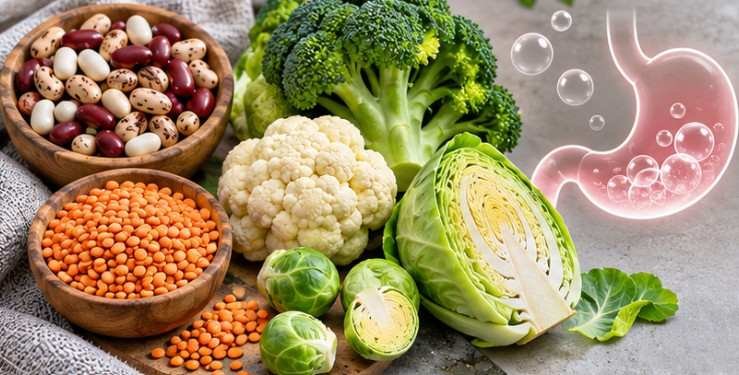
Black beans, chickpeas, kidney beans, and lentils supply valuable fiber and plant-based protein.
However, they contain galacto-oligosaccharides, carbohydrates that intestinal bacteria ferment because humans cannot fully digest them.
This fermentation produces gas, particularly when someone suddenly increases their fiber intake.
What helps: Begin with smaller portions, rinse canned beans thoroughly, and increase consumption gradually. The digestive system may become more comfortable with consistent fiber intake.
Cruciferous vegetables frequently appear in healthy American meal plans, yet some people experience discomfort after eating generous servings.
Broccoli, cabbage, and Brussels sprouts contain fermentable carbohydrates and fiber. Cauliflower also contains mannitol, which can cause digestive symptoms in sensitive individuals.
Raw vegetables may feel especially uncomfortable when eaten in large quantities.
What helps: Try smaller portions of cooked vegetables instead of large raw salads. Steaming vegetables changes their texture, making them easier to chew and sometimes better tolerated.

Lactose intolerance occurs when the small intestine produces insufficient lactase, the enzyme responsible for digesting milk sugar.
Undigested lactose travels into the colon, where bacteria ferment it, potentially causing gas, abdominal discomfort, and diarrhea. The NIH’s lactose intolerance guidance explains that many affected individuals can tolerate some lactose rather than needing to avoid dairy completely.
What helps: Experiment with lactose-free milk, smaller dairy portions, or suitable hard cheeses, which generally contain less lactose.
A sandwich or pasta dinner can sometimes produce digestive discomfort unrelated to gluten.
Wheat and rye contain fructans, fermentable carbohydrates that may cause bloating in sensitive individuals, particularly those with irritable bowel syndrome (IBS).
Gluten, meanwhile, presents a separate concern for people with celiac disease. The Celiac Disease Foundation advises against removing gluten before diagnostic testing because doing so can affect test accuracy.
What helps: Compare your response to different portions and foods. Avoid assuming every reaction to bread indicates gluten intolerance.
Fruit can contribute to bloating because of naturally occurring sugars.
Apples and pears contain fructose and sorbitol, which some digestive systems absorb poorly. Large servings of fruit juice can also deliver concentrated fructose quickly.
What helps: Reduce oversized servings and try alternatives such as oranges, strawberries, or kiwi.
Whole fruit generally offers more fiber and greater satisfaction than juice.

Products marketed as sugar-free aren’t necessarily easier on digestion. Sugar alcohols such as sorbitol, xylitol, maltitol, and mannitol commonly appear in sugar-free candy, chewing gum, and certain protein snacks. These ingredients can draw water into the intestines and undergo bacterial fermentation.
What helps: Check ingredient labels for sweeteners ending in “-ol.” Reduce products containing them if digestive symptoms follow consumption.
Fried chicken, oversized burgers, French fries, and heavy restaurant meals can leave the stomach feeling unusually full.
High-fat meals may slow gastric emptying, extending the sensation of fullness and potentially worsening bloating. Fat isn’t inherently harmful, but meal size and preparation methods matter.
What helps: Choose moderate portions, incorporate lean proteins, and replace frequent deep-frying with baking, grilling, or air-frying.
Frozen dinners, deli meats, chips, and fast-food meals often contain substantial sodium. Unlike fermentable carbohydrates, sodium doesn’t directly generate intestinal gas. Instead, excessive sodium encourages fluid retention.
The American Heart Association identifies bloating and puffiness among the potential effects of excess sodium-related water retention.
What helps: Compare Nutrition Facts labels, select lower-sodium products, and prepare more meals with minimally processed ingredients.
Food choices tell only part of the story. Carbonated soda, sparkling water, and beer introduce carbon dioxide into the digestive tract. That gas can contribute to belching and temporary abdominal pressure.
Eating quickly, chewing gum, sucking hard candies, and drinking through straws may also increase swallowed air.
Try eating more slowly, chewing thoroughly, and choosing still water when fizzy drinks cause discomfort.
If you’re improving your overall eating routine, these practical clean eating tips can help you prioritize balanced, less-processed meals without imposing unnecessary restrictions.
Instead of cutting out multiple foods simultaneously, investigate patterns systematically.
Rate discomfort from zero to ten and record its timing. Also note bowel movements, since constipation can independently cause bloating.
One week may reveal useful patterns, but it cannot establish a medical diagnosis.
For persistent IBS symptoms, a dietitian may recommend a structured low-FODMAP approach with food reintroduction rather than permanent restriction.
Occasional digestive discomfort is common. Persistent, worsening, or unexplained bloating deserves professional assessment. The MedlinePlus medical encyclopedia identifies several potential explanations, including constipation, lactose intolerance, IBS, and other digestive conditions.
Consult a healthcare professional if bloating frequently returns or accompanies unexplained weight loss, ongoing diarrhea, constipation, or abdominal pain.
Seek urgent care for severe sudden abdominal pain, persistent vomiting, bloody stools, or an inability to pass stool or gas with significant swelling. Food adjustments shouldn’t replace appropriate medical evaluation.
Beans, dairy products, cruciferous vegetables, wheat products, certain fruits, fried meals, and foods containing sugar alcohols are common triggers. Individual tolerance varies considerably.
Yes. High-fiber vegetables, legumes, fruits, and whole grains contain fermentable carbohydrates that may generate gas during digestion, especially when eaten in large amounts.
Eat smaller meals, slow down, drink still water, and avoid suspected triggers. Gentle movement may help comfort, but persistent symptoms require medical evaluation.
Adequate hydration supports normal bowel function and may help constipation-related discomfort. However, drinking extra water won’t necessarily prevent bloating caused by food intolerance or fermentation.
The next time a perfectly ordinary meal leaves your stomach uncomfortable, resist the temptation to label every ingredient unhealthy. Digestive responses depend on portion size, individual tolerance, food preparation, and eating habits.
Understanding the common daily food triggers that cause bloated feeling gives you a practical starting point, not a list of foods you must permanently eliminate.
Pay attention to recurring patterns, make one manageable adjustment at a time, and protect the nutritional variety of your diet.
Sometimes, enjoying your favorite foods comfortably requires nothing more complicated than a smaller serving, a different preparation method, or a slower meal.
Note: Medical references checked against NIH/NIDDK, MedlinePlus, the American Heart Association, and the Celiac Disease Foundation.