Choosing carbs should not feel like solving a nutrition puzzle while standing in a grocery aisle. I learned that how to choose healthy carbs for meals comes down to quality, fiber, and what you eat with them, not fear.
Carbs are not the enemy. The problem usually starts with refined grains, sweet drinks, low-fiber snacks, and meals built around quick energy with no staying power. The American Heart Association recommends choosing complex carbohydrates such as legumes, fruits, starchy vegetables, and whole-grain foods while limiting refined sugars.
Healthy carbs help meals feel complete. They provide energy, texture, fiber, and important nutrients. When I cut carbs too hard, I usually feel hungrier later and snack more. When I choose better carbs, meals become easier to control.
The CDC explains that fiber is a carbohydrate found mainly in fruits, vegetables, whole grains, and legumes. Fiber does not raise blood sugar the same way other carbohydrates can, and soluble fiber slows digestion. That is why how to choose healthy carbs for meals should focus less on “low carb” and more on “better carb.”
The 2025–2030 Dietary Guidelines also prioritize fiber-rich whole grains and recommend reducing highly processed refined carbohydrates such as white bread, packaged breakfast foods, flour tortillas, and crackers.

I use a simple filter before buying bread, cereal, wraps, granola, pasta, or snack bars. It keeps me from falling for packaging that looks healthy but acts like dessert.
The filter is simple: whole ingredients first, at least 4 grams of fiber per serving when possible, and less than 8 grams of added sugar per serving. It is not a medical rule. It is a practical shopping shortcut that helps me pick carbs that work better in real meals.
The first ingredient matters because ingredients appear by weight. If I buy bread, pasta, oats, crackers, or cereal, I want the first ingredient to say “whole grain” or “whole wheat.”
I do not treat “multigrain” as enough. Multigrain only means more than one grain. It does not guarantee the grain is whole. Words like “enriched,” “unbleached flour,” and “wheat flour” can still point to refined grains.
The FDA requires Nutrition Facts labels to list total carbohydrate, dietary fiber, total sugars, and added sugars. It also sets the Daily Value for dietary fiber at 28 grams and added sugars at 50 grams based on a 2,000-calorie diet.
For packaged carbs, I compare fiber first. A cereal with 5 grams of fiber and low added sugar usually beats one that has pretty branding but only 1 gram of fiber.
Added sugar matters because it can turn a healthy-looking carb into a sweet snack. The FDA says 5% Daily Value or less is low for added sugars, while 20% Daily Value or more is high.
Some labels sound healthy without proving much. “Natural,” “made with grains,” “honey wheat,” and “plant-based” can still appear on low-fiber, high-sugar products.
When I am unsure, I ignore the front label and read the back. That one habit has changed how I shop for carbs more than any diet trend.

The easiest way to understand how to choose healthy carbs for meals is to start with foods that look close to how they grew. Less processing usually means more fiber, more chewing, and slower digestion.
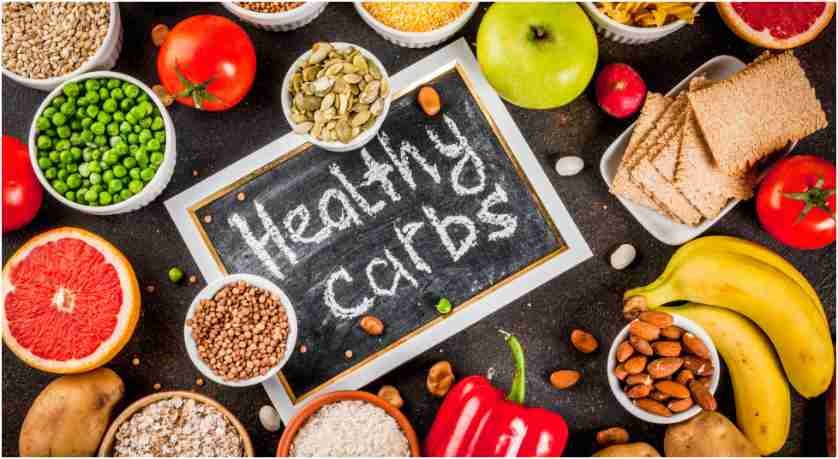
Oats, brown rice, quinoa, barley, farro, whole-wheat pasta, and 100% whole-grain bread are strong choices. They work well because they bring starch and fiber together.
I like oats for breakfast because they are easy to pair with nuts, seeds, Greek yogurt, or berries. For lunch and dinner, quinoa and brown rice make bowls more filling without needing heavy sauces.
Legumes are my favorite healthy carb upgrade because they also bring plant-based protein. Lentils, chickpeas, black beans, split peas, kidney beans, and pinto beans make meals more satisfying.
They work in soups, tacos, salads, grain bowls, and simple meal prep containers. If canned beans are easier, I rinse them to reduce excess sodium.
Sweet potatoes, corn, pumpkin, peas, and butternut squash are not “bad” because they contain starch. They are useful carbs when the portion fits the plate.
I choose sweet potatoes with the skin when possible. The skin adds fiber, and the meal feels more filling. A baked sweet potato with eggs, beans, or chicken feels much better than fries on the side.
Fruit is a healthy carb when eaten whole. Berries, apples, pears, oranges, bananas, and peaches bring water, fiber, and natural sweetness.
Juice is different. It removes much of the chewing and often makes sugar easier to overdrink. The 2025–2030 Dietary Guidelines recommend whole fruits and vegetables in their original form and say 100% juice should be limited or diluted with water.
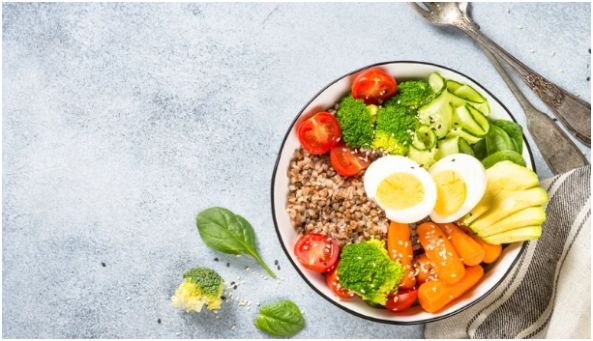
Knowing how to choose healthy carbs for meals also means knowing where carbs sit on the plate. A healthy carb can still feel heavy if the portion crowds out protein and vegetables.
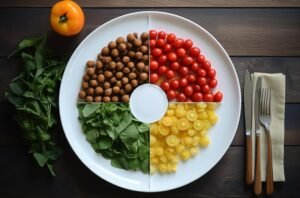
I keep the plate method simple. Half the plate goes to non-starchy vegetables, one-quarter goes to lean protein, and one-quarter goes to healthy starchy carbs.
That could mean salmon, roasted broccoli, and brown rice. It could also mean chicken, salad, and sweet potato. The method works because it controls portions without forcing calorie math at every meal.
I rarely eat carbs alone now. An apple feels more satisfying with peanut butter or Greek yogurt. Oatmeal lasts longer with nuts, chia seeds, or eggs on the side.
Protein and healthy fat slow the meal down. They also make the carb feel like part of a balanced plate, not a quick snack that disappears in 20 minutes.
For deeper meal structure, connect this habit with how to plan balanced meals for the week.
Many people worry about rice or potatoes while drinking sugar. That is backwards.
Sodas, sweet teas, fruit drinks, energy drinks, and juice blends add fast carbohydrates without much fullness. The Dietary Guidelines recommend avoiding sugar-sweetened beverages such as sodas, fruit drinks, and energy drinks.
Water, sparkling water, unsweetened tea, and plain coffee make carb choices easier because the meal does not have to compete with liquid sugar.
Here is one meal I use when I want energy without a crash: a bowl with quinoa, black beans, roasted peppers, spinach, avocado, salsa, and grilled chicken.
The quinoa gives whole-grain carbs. The beans add fiber and plant protein. The chicken adds lean protein. The avocado adds healthy fat. The vegetables add volume and crunch.
That is the real point of how to choose healthy carbs for meals. You are not picking one perfect food. You are building a meal where carbs have support.
The first mistake is choosing brown-colored bread without checking the ingredient list. Color does not prove whole grain.
The second mistake is buying sweetened yogurt, granola, or cereal and treating it like a balanced carb. Some options contain enough added sugar to act more like dessert.
The third mistake is cutting all starchy foods and then feeling tired, hungry, or snacky. Better carb quality usually works better than strict avoidance.
The fourth mistake is ignoring portions. A healthy carb still needs a reasonable place on the plate. One-quarter of the plate is a helpful starting point for most balanced meals.
Whole grains, beans, lentils, chickpeas, sweet potatoes, vegetables, and whole fruits are healthy carbs because they offer fiber and nutrients.
Brown rice is usually better than white rice because it has more fiber, but portion size and meal pairing still matter.
Choose high-fiber carbs, pair them with protein, avoid sugary drinks, and keep starchy carbs to about one-quarter of your plate.
Potatoes are not automatically unhealthy. Baked potatoes with skin are better than fries, especially when paired with protein and vegetables.
I no longer ask whether carbs are “good” or “bad.” I ask whether they bring fiber, nutrients, and staying power to my meal. That question makes shopping, cooking, and ordering food much easier.
The best answer to how to choose healthy carbs for meals is simple: pick whole or minimally processed carbs, read the label, control added sugar, and pair carbs with protein or healthy fat. Your next meal does not need to be perfect. It just needs a smarter carb with better company.