
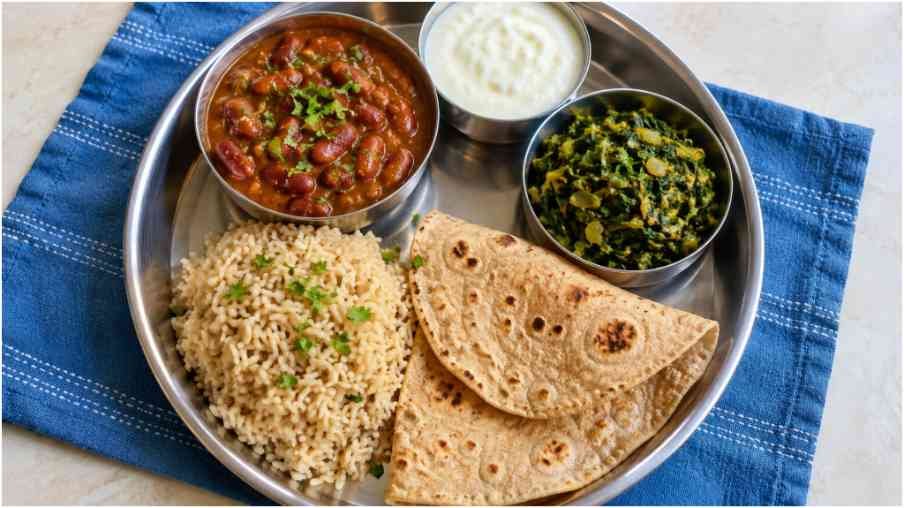
Cooking nutritious food should not drain your bank account or consume your weekday evenings. After tracking my kitchen expenses for six months, I built a weekly healthy meal prep plan under 2000 rupees that reliably costs between ₹1,450 and ₹1,750.
This system delivers 1,600 to 1,800 calories and 60 to 75 grams of protein every single day. Even better, it cuts my Monday-through-Friday active cooking time down to under 20 minutes per meal. If you want to eat healthy on a tight grocery budget, this tested blueprint gives you the exact shopping list, prep workflow, and seven-day menu I use every week.
Most budget diet charts fail because they rely on boring repetition or expensive packaged health foods. Nobody wants to eat plain boiled lentils for five straight days, and buying pre-made protein bars or Greek yogurt destroys a ₹2,000 cap immediately.
When I first started experimenting with budget cooking, I wasted nearly ₹600 a month on wilted greens and impulse quick-commerce orders. I fixed this by switching to a Base-Matrix strategy. Instead of prepping full meals that turn soggy by Wednesday, I prep modular building blocks on Sunday.
By pairing one universal spice base with bulk legumes and fresh dairy, I assemble completely different dishes each night. According to nutrition data from the National Institute of Nutrition (ICMR-NIN), an average sedentary adult needs roughly 54 to 60 grams of daily protein. My matrix hits that target effortlessly using whole Indian pantry staples rather than costly supplements.

To keep this weekly healthy meal prep plan under 2000 rupees, I assume you already stock basic cooking oil, salt, turmeric, cumin, chili powder, and garam masala. Every rupee of the ₹1,550 budget goes toward fresh produce, dairy, grains, and raw proteins.
Complex carbohydrates provide sustained energy and keep hunger away between meals. I buy these four staples in standard 500g to 2kg packs to get the best per-kilogram rate:
Animal proteins like chicken breast or fish quickly push a solo grocery bill past ₹2,500. Instead, I rely on concentrated plant proteins. Data from USDA FoodData Central shows that textured soy chunks pack over 50 grams of protein per 100 grams of dry weight, making them the most cost-effective protein source available.
For this week, I stock 500g of toor or moong dal, 500g of rajma or kabuli chana, 250g of soya chunks, 400g of fresh paneer, and 250g of raw peanuts. Together, these items cost ₹550 and anchor every lunch and dinner.
Buying single-serve yogurt cups wastes money on plastic packaging. I spend ₹350 on 3.5 liters of toned milk, which covers morning oats, tea, and two large bowls of homemade curd set in my kitchen.
The remaining ₹300 covers produce. I spend ₹200 on seasonal vegetables: 1 kg each of onions, tomatoes, and potatoes, two bunches of spinach (palak), 500g carrots, 500g capsicum, and 500g bottle gourd (lauki) or brinjal. The final ₹100 buys one dozen bananas plus ginger, garlic, green chilies, lemons, and fresh coriander.
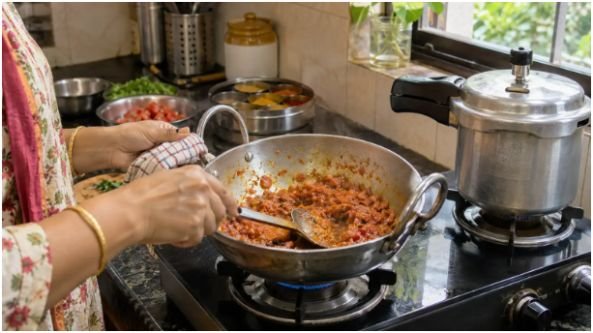
Spending two focused hours in the kitchen on Sunday afternoon eliminates weekday decision fatigue. I follow a strict four-part sequence so everything finishes simultaneously.
First, I rinse and pressure-cook a full 500g batch of soaked rajma or chickpeas with salt and a bay leaf. Once cooled, I store half in an airtight glass container in the refrigerator for Tuesday’s lunch and freeze the remaining portion. Following FDA food storage guidelines, refrigerated cooked beans stay fresh for up to four days, while frozen portions last months without losing texture.
While the pressure cooker runs, I finely chop 700g of onions and 700g of tomatoes. I sauté the onions in two tablespoons of oil until golden brown, add crushed ginger-garlic paste, and cook down the tomatoes with turmeric, coriander powder, and red chili powder until oil separates.
This concentrated masala jar lives in my fridge all week. Whenever I need paneer bhurji, soya curry, or chana masala, I scoop out three tablespoons of this base, add water and protein, and simmer for eight minutes.
In the final 45 minutes, I soak a cup of whole green moong overnight to generate fresh sprouts for Tuesday and Saturday snacks. I wash, dry, and chop the carrots, capsicum, and spinach, wrapping the spinach leaves in dry paper towels inside a container to absorb excess moisture. Finally, I knead enough whole wheat dough for three days and boil five potatoes for quick weekday fillings.

To balance blood sugar and maximize satiety, I structure every lunch and dinner using the Harvard Healthy Eating Plate ratio. Half my plate holds non-starchy sabzi and raw salad, one-quarter holds dal, paneer, or soya, and the final quarter holds rotis or rice. If you want more inspiration for cheap high protein meals, use this table as your weekly template.
| Day | Breakfast | Lunch | Evening Snack | Dinner |
| Monday | Rolled oats cooked in milk with sliced banana | Toor dal tadka, 2 rotis, palak sabzi, cucumber salad | Roasted peanuts + lemon tea | Soya chunks curry (using masala base) + 1 cup rice |
| Tuesday | Vegetable poha with roasted peanuts | Rajma masala (batch prep) + 1 cup rice + kachumber salad | Sprouted moong chaat | Paneer bhurji + 2 rotis |
| Wednesday | 2 besan chillas stuffed with carrots & spinach + curd | Moong dal, 2 rotis, lauki sabzi, cucumber raita | Banana + 1 tbsp peanut butter | Vegetable khichdi (dal, rice, mixed veggies) + curd |
| Thursday | Overnight oats with milk, chia/flax seeds & banana | Chickpea (chana) masala + 2 rotis + salad | Roasted chana or makhana | Palak paneer (using prepped spinach) + 2 rotis |
| Friday | Savory vegetable upma or dalia | Toor dal, 1 cup rice, roasted brinjal/aloo sabzi | Boiled black chana with lemon & coriander | Soya & mixed vegetable pulao + raita |
| Saturday | 2 aloo-paneer stuffed parathas + homemade curd | Leftover rajma or chana + 2 rotis + carrot salad | Sprouts salad | Light moong dal soup + sautéed paneer & capsicum |
| Sunday | Moong dal chilla with green chutney | Vegetable pulao + curd + roasted papad | Seasonal fruit bowl | Clear-out fridge stir-fry or leftover khichdi |
Sticking to a weekly healthy meal prep plan under 2000 rupees requires smart storage habits so your ₹200 vegetable haul lasts until Sunday night.
Yes, buying whole grains, bulk legumes, seasonal vegetables, and setting homemade curd keeps total weekly costs between ₹1,450 and ₹1,750.
Combining dal, soya chunks, paneer, milk, curd, and peanuts delivers 60 to 75 grams of complete daily protein.
Properly cooled legumes stored in airtight containers remain safe and fresh in the refrigerator for three to four days.
Yes, swapping 400g of paneer for 12 to 15 whole eggs or local tofu maintains similar protein levels within the exact same ₹2,000 budget.
Eating clean, high-protein Indian food does not require imported superfoods or hours of daily chopping. Grab a notepad, write down the ₹1,550 grocery list above, and block out two hours this Sunday afternoon to prep your masala base and legumes. Once you taste Monday night’s eight-minute soya curry, you will never go back to overpriced weekday delivery apps.










One thought on “Weekly Healthy Meal Prep Plan Under 2000 Rupees: My Exact ₹1,550 Blueprint”