
I like the idea of a meditation routine that fits between making coffee and opening my inbox. A habit becomes less appealing when it requires a silent house, special equipment, or thirty uninterrupted minutes. When considering how to build a sustainable daily meditation practice, I would start with something small enough to repeat on an ordinary weekday.
The goal is to make room for attention, even when life feels crowded. Whether your day involves school drop-off, a highway commute, or changing shifts, a practical routine needs an achievable starting point and a forgiving way to begin again.
Before choosing a timer or downloading an app, identify why you want to practice. Perhaps you want to notice stress before snapping at your partner, pay closer attention during conversations, or pause before checking your phone again.
Choose a reason connected to daily life rather than expecting meditation to transform everything. Write one sentence somewhere visible: “I am practicing to respond more thoughtfully.”
Your motivation may change. What matters is having a reason that still feels relevant after the excitement of starting fades.
Meditation does not have to be an isolated activity; it can complement other small actions that support a healthier lifestyle. You can explore more everyday wellness practices to find simple ways to make well-being part of your daily routine.

Begin with two to five minutes if that feels manageable. Longer sessions are an option, but they should not become an entry requirement.
Choose a duration you can reasonably protect during a typical workweek. Someone working from home might practice before their first meeting. A hospital employee might sit briefly after waking, regardless of the clock.
Decide what you will do when your usual session becomes difficult. A five-minute practice could have a one-minute alternative.
This shorter version keeps the routine accessible during travel, family interruptions, or demanding deadlines. Treat it as an intentional adjustment, without assuming it provides the same experience as a longer session.
A familiar activity can become your reminder. Try practicing after brushing your teeth, before pouring your morning coffee, or immediately after closing your work laptop.
Make the connection specific: “After I brush my teeth, I will sit in the bedroom chair for three minutes.”
Understanding how to build a sustainable daily meditation practice means deciding when it will happen before the day becomes crowded. A dependable event can be more practical than an exact time when your schedule changes frequently.
Choose somewhere comfortable with relatively few distractions. A dining chair, bedroom corner, or office chair can work.
Keep your timer or chosen audio ready. Silence unnecessary notifications. Cushions, candles, and headphones are optional; the useful feature is how easily you can begin.

You do not need to empty your mind or manufacture a peaceful feeling. Give your attention somewhere to rest and practice returning when it wanders.
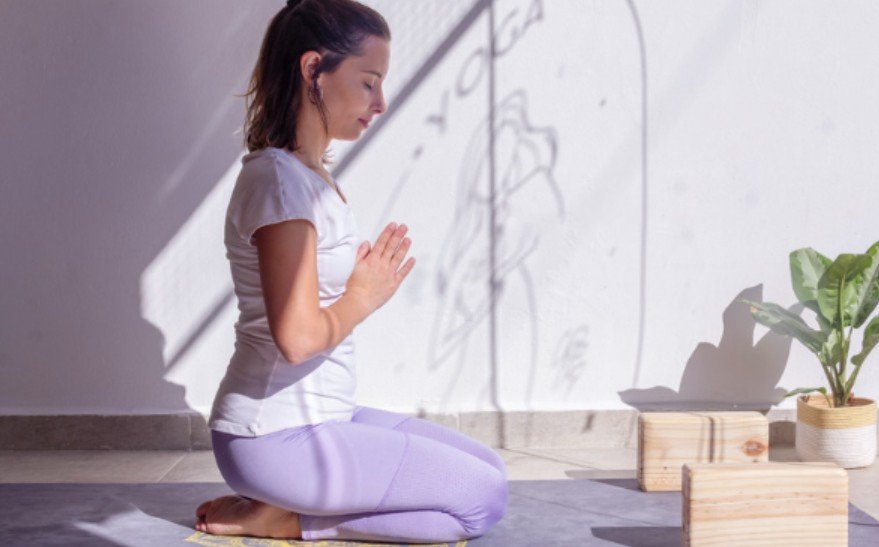
For the first minute, sit with your feet supported and your hands resting comfortably. Allow your shoulders and jaw to soften. Close your eyes if comfortable, or keep a gentle gaze.
Aim for a position that supports alertness without forcing your body into stiffness.
For the next three minutes, notice breathing wherever it feels clearest: your nostrils, chest, or abdomen. Let breathing follow its natural rhythm.
When a grocery list, work concern, or weekend plan appears, silently acknowledge “thinking” and return to the next breath. Repeat as often as needed. Noticing distraction is part of the exercise.
During the final minute, notice your body and surrounding sounds. Let your attention widen before standing.
Consider one intention for the next activity, such as listening carefully during a meeting or putting your phone away at lunch.
A guided recording can help when silence feels confusing. Choose a short session with clear instructions and a voice you find comfortable.
You can also use a basic timer. Try one approach for several sessions before switching, so choosing content does not consume your practice time.
If breath awareness feels uncomfortable, consider noticing sounds or the contact between your feet and the floor. Shorten or pause a practice that feels distressing rather than forcing yourself through it.

Missing a session does not erase previous practice. Return at your next realistic opportunity and examine what got in the way.
Was your session too long? Did your reminder arrive during the morning rush? Would a different location help?
Adjust the obstacle instead of assigning yourself a punishment session. During holidays or business travel, carry the familiar cue with you while allowing the setting to change.
Keep your starting duration until it feels reasonably manageable. Then experiment with adding a minute or two. There is no deadline for reaching a particular session length. Track attendance with a simple calendar mark if useful, but avoid making the streak your only measure.
Notice whether you recognize wandering attention sooner or remember to pause during tense moments. Briefly feeling your feet while waiting in a checkout line can extend awareness into everyday life.
Meditation can also be one part of a broader approach to maintaining well-being over time. Exploring wellness habits that support long-term health can offer additional ideas for building consistent routines that support everyday wellness.
Choose a brief session and connect it to an activity you already repeat. Prepare a comfortable place and decide how you will restart after interruptions.
Choose the period you can protect most reliably. Morning, lunchtime, or evening can fit different schedules. Shift workers can anchor practice to waking rather than a fixed hour.
Wandering thoughts are expected. Notice the distraction and gently return to your chosen focus. A session does not require uninterrupted concentration to count as practice.
I would rather protect a few realistic minutes each day than create an ambitious routine that becomes another source of pressure. For me, a sustainable approach starts with a familiar cue, a comfortable place, and permission to keep the session short. Some days may feel settled, while others bring distractions from beginning to end. Neither experience needs to determine whether I return tomorrow.
Meditation is just one example of a small daily adjustment that can support overall well-being. Discovering everyday changes that improve wellbeing can provide more practical ideas for making positive lifestyle changes without overwhelming your schedule.
I would also leave room for adjustments as work schedules, family responsibilities, and energy levels change. If I missed a day, my next step would be to begin again at the next practical opportunity.
Over time, I would look beyond the calendar streak and notice how I bring attention into ordinary moments: listening during conversations, pausing before reacting, and recognizing when my mind has wandered. That is the kind of practice I would want to keep building—one that fits my life and gives me repeated opportunities to pay attention.













One thought on “How to Build a Sustainable Daily Meditation Practice That Sticks”