
Your gut contains trillions of microorganisms, but supporting them may be as simple as changing what you put on your breakfast plate. Research suggests that eating fermented foods regularly can increase gut microbial diversity and influence the body’s inflammatory responses.
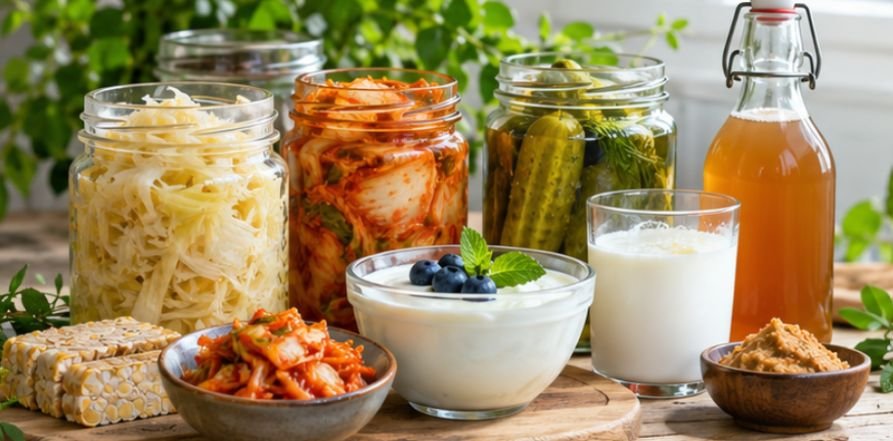
The best fermented foods for gut microflora health include kefir, yogurt, kimchi, sauerkraut, tempeh, miso, kombucha, and naturally fermented pickles. Each offers different nutrients, microorganisms, or compounds produced during fermentation.
However, not every fermented product contains living bacteria. Understanding that difference can help you make smarter grocery choices.
Your gut microbiome is a community of bacteria, fungi, and other microorganisms living throughout your digestive tract. These organisms help break down certain foods, interact with your immune system, and produce substances that influence digestive health.
Fermentation occurs when microorganisms transform carbohydrates and other food components into acids, gases, or other compounds.
Some fermented foods provide living microorganisms, while others offer beneficial fermentation-derived compounds even after processing.
According to the National Institutes of Health, probiotics are live microorganisms that provide demonstrated health benefits when consumed in adequate amounts. Importantly, not all living microbes in fermented foods meet that definition.
A 2021 clinical trial conducted by Stanford University examined 36 healthy adults assigned to either a fermented-food-rich diet or a high-fiber diet for 10 weeks.
Participants consuming more fermented foods experienced increased gut microbial diversity and reductions in several inflammatory proteins.
Researchers measured decreases in 19 inflammatory proteins in the fermented-food group, suggesting that dietary changes can influence immune activity.
However, this small study did not establish that fermented foods prevent or treat chronic diseases.
Stanford Medicine
Kefir is a tart fermented milk drink containing various bacteria and yeasts. Its fermentation process also reduces some lactose, making it potentially easier to tolerate than regular milk.
Choose plain kefir without added sugar. Blend it with berries or add it to overnight oats. Coconut-based versions are alternatives, although their microbial content varies.
Yogurt contains starter bacteria such as Lactobacillus bulgaricus and Streptococcus thermophilus. Some varieties include additional cultures, including Bifidobacterium species.
Look for “live and active cultures” on the packaging. Plain Greek yogurt also provides protein and calcium, making it a practical breakfast or snack.
A balanced breakfast can also benefit from combining protein-rich foods with fiber and healthy fats to support more consistent energy throughout the morning. Explore these healthy breakfast ideas for stable blood sugar for practical ways to build a more balanced morning meal.
Kimchi typically combines napa cabbage, radishes, garlic, chili, and salt. Lactic acid bacteria develop during fermentation, producing its characteristic tangy flavor.
It adds vegetables and fermentation products to meals. Try a small serving alongside rice, eggs, or grain bowls.
Check sodium levels, especially if you monitor salt intake.
Sauerkraut is cabbage fermented in a salty environment. It provides fiber, vitamin C, and potentially living microorganisms.
Choose refrigerated, unpasteurized products labeled with live cultures when microbial content is your priority.
Spoon it onto sandwiches, grain bowls, or salads instead of cooking it at high temperatures.
Tempeh is produced by fermenting whole soybeans, usually with Rhizopus mold cultures. It provides plant protein and dietary fiber.
Unlike refrigerated fermented vegetables, tempeh is generally cooked before eating, so it should not be relied upon as a source of live microorganisms.
Its nutritional value remains substantial. Try sliced tempeh in stir-fries or sandwiches.
Miso is traditionally made by fermenting soybeans with koji cultures, often alongside rice or barley.
It contains fermentation-derived compounds and small amounts of carbohydrates that may be used by gut microorganisms.
Stir unpasteurized miso into warm soup after removing it from direct heat to better preserve living cultures. Remember that miso is concentrated in sodium.
Kombucha is created by fermenting sweetened tea with a community of bacteria and yeasts. It contains organic acids and, in some varieties, live microorganisms. However, clinical evidence supporting specific gut health benefits remains limited.
Choose commercially prepared varieties with modest added sugar and check alcohol content, particularly during pregnancy.
Traditional fermented pickles develop their sour taste through bacteria acting on vegetables in saltwater brine.
Ordinary vinegar-based pickles do not undergo the same microbial fermentation process.
Look for naturally fermented, refrigerated varieties that specify live cultures. Add a few slices to sandwiches or serve them with lunch.

The biggest shopping mistake is assuming that every fermented food automatically provides probiotics.
The International Scientific Association for Probiotics and Prebiotics explains that a true probiotic must have a defined strain, an appropriate amount, and evidence demonstrating a health benefit.
Use this quick grocery checklist:
Eating a varied diet does not have to mean spending more on specialty health products. With thoughtful grocery choices and simple meal planning, you can include nutritious foods while managing expenses. These tips on healthy eating on a tight budget offer practical ways to make balanced eating more affordable.
Stanford’s food fermentation guidance also explains why heat treatment matters: fermented foods can retain useful compounds even after their living microorganisms are destroyed.
Eating fermented foods does not require overhauling your entire diet. Start with one familiar option and gradually increase variety.
A practical daily routine might include plain yogurt with breakfast, a small serving of kimchi with lunch, and fermented vegetables alongside dinner.
Introduce new foods individually so you can identify anything that causes discomfort.
Equally important, feed your existing gut bacteria with dietary fiber. Oats, beans, lentils, vegetables, fruits, nuts, and whole grains provide substances that microorganisms can ferment.
Harvard’s microbiome nutrition guidance emphasizes that dietary fiber and microbial diversity both matter for intestinal health.
For additional meal ideas, explore what to eat for gut health and this practical anti-inflammatory diet food list.

Fermented foods are not suitable for everyone in unlimited amounts.
People managing hypertension or kidney disease may need to restrict sodium-rich options. Those with irritable bowel syndrome may experience bloating from certain fermented products.
Individuals with severely weakened immune systems should discuss live-culture products with their healthcare professionals.
The American Heart Association also notes that research on the specific benefits of individual fermented foods remains uncertain.
Fermented products can complement nutritious eating, but they cannot replace medical treatment or an otherwise balanced diet.
Plain yogurt and kefir are practical starting choices because they commonly contain live cultures. The best option depends on individual tolerance, dietary needs, and product formulation.
Some fermented foods may support digestive function, although benefits vary by product and person. Regular consumption alongside fiber-rich meals may help maintain a balanced dietary pattern.
There is no universally established daily serving requirement. Start with small portions several times weekly and increase gradually according to comfort and dietary preferences.
Neither is universally superior. Supplements containing specific studied strains may help particular conditions, while fermented foods provide additional nutrients and can support overall dietary variety.
Supporting gut health does not depend on buying expensive probiotic supplements or following complicated food rules.
The best fermented foods for gut microflora health are those you enjoy, tolerate comfortably, and can include consistently in balanced meals.
I recommend starting with plain yogurt or kefir, then gradually introducing fermented vegetables for additional variety. Pair these foods with fiber-rich ingredients instead of expecting one product to transform your microbiome overnight.
The most meaningful dietary improvements usually come from small habits repeated over time. Give your gut a varied menu, and let consistency do the work.