

I once thought losing weight required strict meals, exhausting workouts, and motivation. That approach disappeared when life became busy. Focusing on simple habits for healthy weight loss felt realistic because they fit around work, family meals, and weekends. Small actions can gradually improve how we eat, move, sleep, and recover from setbacks.
Extreme plans depend on willpower, while practical habits reduce daily decisions. Instead of changing everything at once, choose one manageable action and repeat it until it feels familiar.

Replace “eat healthier” with a specific action. Cook dinner three evenings, walk for ten minutes after lunch, or pack a balanced snack for work.
A measurable goal gives you a clear target. Once it feels normal, add another small behavior instead of making the first goal harder.
Protein and fiber can make meals satisfying. Try eggs with whole-grain toast, Greek yogurt with berries, oatmeal with nuts, chicken with vegetables, or beans with brown rice.
Keep convenient staples available, including frozen vegetables, canned beans, fruit, tuna, yogurt, and whole-grain bread. Better choices become easier when ingredients are nearby.
Regular soda, sweet tea, energy drinks, and flavored coffees can add calories without much fullness. Make water, sparkling water, or unsweetened tea your usual choice.
You do not need to ban a favorite beverage. Enjoy it intentionally rather than automatically. Keeping a filled bottle nearby makes water more visible.
Fast, distracted eating can make satisfaction harder to notice. Sit down when possible, remove screens, chew comfortably, and notice taste, hunger, and fullness.
Pause halfway through before deciding whether you need more. This is not a rule to stop eating. It is a moment to notice how you feel.
Intense hunger can make any available food tempting. Prepare filling snacks such as fruit with peanut butter, yogurt with berries, popcorn with cheese, or carrots with hummus.
Place planned snacks where they are easy to see. Portion other foods before eating instead of taking the entire package.
A ten-minute walk after a meal is a practical start. Walk around the neighborhood, inside a shopping center, during a phone call, or on a treadmill. Increase the duration gradually.
Add two brief strength sessions weekly using squats, wall push-ups, use resistance bands, or weights. Choose movements suited to your ability and progress slowly.
Poor sleep can make appetite, energy, and decisions harder to manage. Choose a realistic bedtime, dim the lights, reduce late-night scrolling, and follow a short wind-down routine.
Consistency matters more than perfection. Moving bedtime slightly earlier and waking at a similar time can make the routine more predictable.
Decide what you will do after a missed workout, restaurant meal, holiday, or difficult weekend. Return to your usual breakfast, prepare the next meal, or walk briefly.
Avoid punishment through severe restriction or excessive exercise. A quick return to familiar habits is better than waiting for Monday.
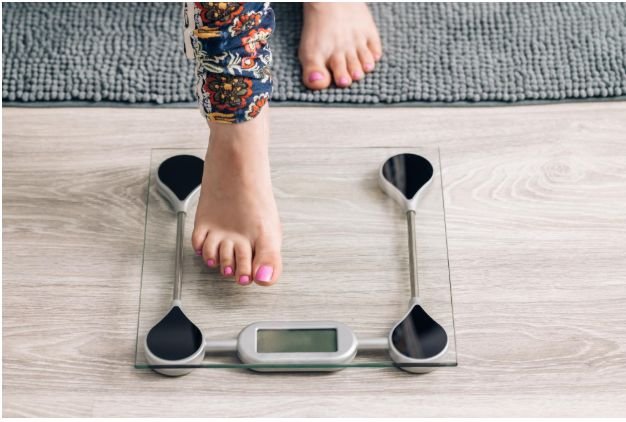
On day one, replace one sugary drink. This is one of the simplest ways to learn How to Stop Sugar Cravings, as reducing added sugar gradually can help your taste buds adjust over time. On day two, add produce to one meal. On day three, walk for ten minutes. On day four, eat one meal without a screen.
On day five, prepare breakfast for tomorrow. On day six, choose a regular bedtime. On day seven, review what felt useful. Continue one or two actions next week.
Body weight can change because of hydration, meals, hormones, and other factors. Instead of letting yourself constantly worry about your waistline, notice changes in energy, sleep, strength, walking endurance, hunger patterns, waist measurement, and how your clothes fit.
Track walks, vegetables, water, sleep, or screen-free meals. Use the information to learn, not judge.
Speak with a qualified healthcare professional before major changes if you are pregnant, have diabetes, take medication affecting appetite or weight, have a history of disordered eating, or experience unexplained weight changes.
Personal needs affect safety. Guidance can establish realistic goals and prevent restriction.
Begin with one low-effort action, such as replacing a sugary drink, adding vegetables to lunch, or walking for ten minutes. Choose the option requiring the least planning.
Not everyone needs detailed calorie tracking. Improving portions, meal balance, food quality, and activity may be enough. Tracking should inform you without creating anxiety.
Walking increases movement and supports cardiovascular fitness. Begin with a comfortable duration, then gradually increase your time, pace, or frequency.
Return to one familiar action at the next meal or the next day. Do not compensate with extreme dieting. A calm restart works better than waiting for Monday.
I no longer see progress as a test of perfection. I see choices that become easier through repetition. A balanced breakfast, planned snack, evening walk, or earlier bedtime may seem small, but each supports the routine I want.
Choose one habit and practice it for seven days. Keep it realistic for a busy day. Once familiar, build on it. Lasting change grows through repetition.