
Healthy sleep habits for adults can completely change how the next day feels. I have learned that better sleep is not just about going to bed earlier. It is about creating a routine that supports your body’s natural sleep-wake cycle from morning to night.
For many adults in the US, sleep gets squeezed between work deadlines, family responsibilities, phone scrolling, late dinners, and stress. Then morning comes, and the day starts with low energy, brain fog, and too much coffee.
The good news is that sleep hygiene does not need to feel complicated. It comes down to consistency, environmental control, and smarter daily choices.
What Are The Best Sleep Hygiene Habits For Adults?
Sleep hygiene means the habits and surroundings that help you fall asleep, stay asleep, and wake up feeling restored. Most adults should aim for about 7 to 9 hours of sleep each night, but quality matters just as much as quantity. Spending eight hours in bed does not always mean you are getting deep, restful sleep.
The best approach is to align your daily behavior with your internal body clock, also called your circadian rhythm. Your brain likes patterns. When you wake up, eat, move, relax, and sleep at predictable times, your body learns when to feel alert and when to wind down.
How Can Adults Build A Consistent Sleep Schedule?
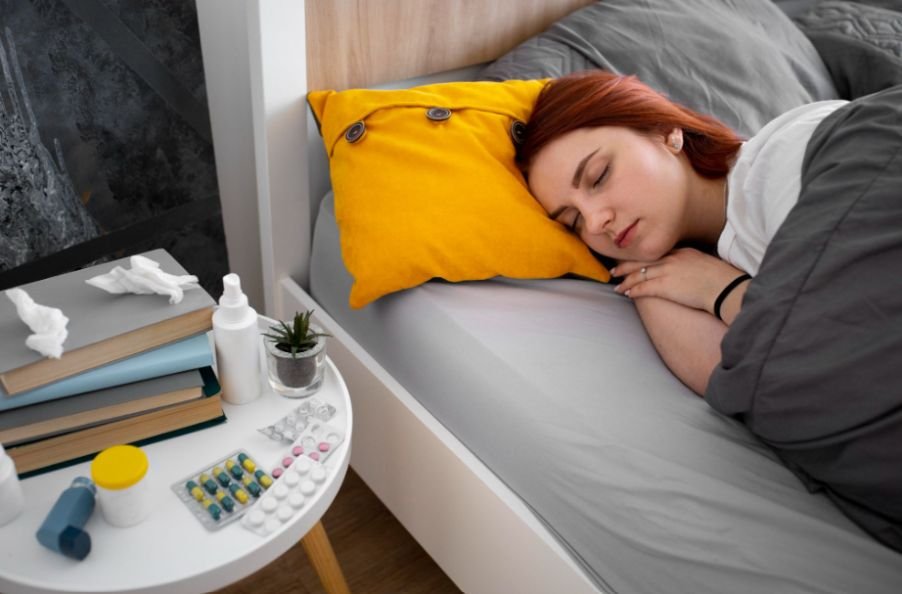
A consistent sleep schedule is one of the most powerful ways to improve sleep quality naturally. I always recommend starting with a fixed wake-up time because mornings set the tone for your whole sleep cycle. Try to wake up at the same time every day, including weekends, even if your bedtime shifts slightly.
This does not mean you can never enjoy a late night. It simply means your body rests better when your schedule does not swing wildly from weekday to weekend. If you wake up at 6:30 a.m. for work, sleeping until noon on Sunday can make it harder to fall asleep that night.
Naps also matter. A short nap can help when you are tired, but long or late naps can steal sleep pressure from nighttime. Keep naps under 30 minutes and avoid taking them after mid-afternoon. This keeps your body ready for sleep when bedtime arrives.
How Do You Create A Sleep Sanctuary At Home?
Your bedroom should tell your brain one thing: it is time to rest. I like to think of it as a sleep sanctuary, not a second office, snack zone, or entertainment room. A better sleep environment can make falling asleep faster and staying asleep easier.
Keep your room cool, dark, and quiet. For many US homes, a comfortable range around 65°F to 72°F works well, though you can adjust based on your body, bedding, and season. If streetlights, early sunrise, or neighborhood noise disturb you, use blackout curtains, an eye mask, earplugs, a fan, or a white noise machine.
Bed boundaries are just as important. Reserve your bed for sleep and intimacy as much as possible. When you work, scroll, eat, or watch TV in bed, your brain may stop connecting the bed with rest. A strong mental association with sleep makes the bedroom feel calmer before you even close your eyes.
What Bedtime Routine Helps Adults Fall Asleep Faster?
A relaxing bedtime routine gives your mind a bridge between a busy day and deep rest. I find that a 30 to 60-minute wind-down routine works best because it gives the nervous system time to slow down.
Start by unplugging from smartphones, tablets, laptops, and TV at least 30 to 60 minutes before bed. Screens can keep the brain alert, and late-night content can trigger stress, excitement, or endless scrolling. Even when blue light settings are turned on, the stimulation itself can delay sleep.
Replace screen time with calming activities. Read a physical book, listen to soothing music, take a warm bath, stretch lightly, journal, pray, meditate, or prepare your clothes for the next morning. These small actions tell your body that the day is ending.
What Is The 20-Minute Rule For Sleep?

The 20-minute rule is simple. If you cannot fall asleep after about 20 minutes, get out of bed and do something quiet in dim light until you feel sleepy again. Do not grab your phone, check emails, or turn on bright lights.
This rule helps protect your bed from becoming a place of frustration. When you lie there worrying about why you are not asleep, your brain starts connecting bedtime with stress. A calm reset can make it easier to return to bed without pressure.
What Should Adults Avoid Before Bed?
Evening choices can either support sleep or quietly ruin it. Heavy or spicy meals within 2 to 3 hours of bedtime can cause digestive discomfort, reflux, or restlessness. If you get hungry at night, choose something light instead of a large meal.
Caffeine deserves special attention. Coffee, energy drinks, some teas, chocolate, and sodas can stay active in the body for hours. I would cut off caffeine by early afternoon, especially if you already struggle to fall asleep. Nicotine can also interfere with sleep because it acts as a stimulant, so avoiding it is important for both sleep and overall health.
Alcohol is another common trap. A nightcap may make you feel drowsy at first, but it can fragment sleep later in the night and reduce overall sleep quality. That is why you may fall asleep quickly after drinking but still wake up tired or restless.
Does Exercise Improve Sleep Quality?
Regular exercise can support better sleep because it helps reduce stress, improve mood, and build healthy sleep pressure during the day. You do not need an intense fitness routine. Walking, swimming, cycling, dancing, stretching, or strength training can all help.
Learning how to improve health without dieting also means treating regular movement, quality sleep, hydration, and stress management as connected parts of overall wellness.
Timing matters, though. Vigorous workouts within 2 to 3 hours of bedtime may leave some adults feeling too energized to sleep. If evening workouts are your only option, keep them moderate and follow them with a calming routine.
How Can Adults Calm Racing Thoughts At Night?

Many adults feel tired until their head hits the pillow. Then the mind suddenly opens every unfinished tab. Bills, work stress, family schedules, health worries, and tomorrow’s tasks can all show up at once.
A simple brain dump can help. Write down your top tasks, reminders, and worries before bed so your mind does not feel responsible for holding everything overnight. Deep breathing, gentle stretching, prayer, meditation, or quiet reading can also help calm the body.
The goal is not to force sleep. The goal is to create conditions where sleep can happen naturally.
When Should You Get Help For Sleep Problems?
Healthy sleep habits for adults are powerful, but they are not a replacement for medical advice. If you regularly struggle to fall asleep, stay asleep, breathe comfortably at night, or stay awake during the day, it may be time to speak with a healthcare provider.
Loud snoring, gasping during sleep, morning headaches, long-term insomnia, or extreme daytime sleepiness should not be ignored. Sometimes sleep problems need more than a better bedtime routine.
FAQs
1. How can I fall asleep faster naturally?
Create a consistent bedtime routine, turn off screens 30 to 60 minutes before bed, keep the room cool and dark, and avoid caffeine late in the day.
2. What is the healthiest bedtime routine for adults?
The healthiest routine is simple and repeatable. Dim the lights, unplug from devices, do a calming activity, prepare for tomorrow, and go to bed at a consistent time.
3. Is it bad to nap during the day?
Napping is not bad if you keep it short. A nap under 30 minutes earlier in the day can help, but late or long naps may disturb nighttime sleep.
4. Why do I wake up tired after 8 hours of sleep?
You may wake up tired because of poor sleep quality, alcohol, stress, late caffeine, screen use, sleep interruptions, or an untreated sleep issue.
Final Thoughts
Better sleep does not come from one perfect night. It comes from repeating small habits that help your body trust the rhythm of your day. When I focus on a steady wake-up time, a calmer bedroom, fewer screens, lighter evening choices, and a realistic wind-down routine, sleep feels easier.
Healthy sleep habits for adults are not about strict rules or perfect discipline. They are about giving your body the same message every night: you are safe, the day is done, and it is time to rest.
Leave a Reply