
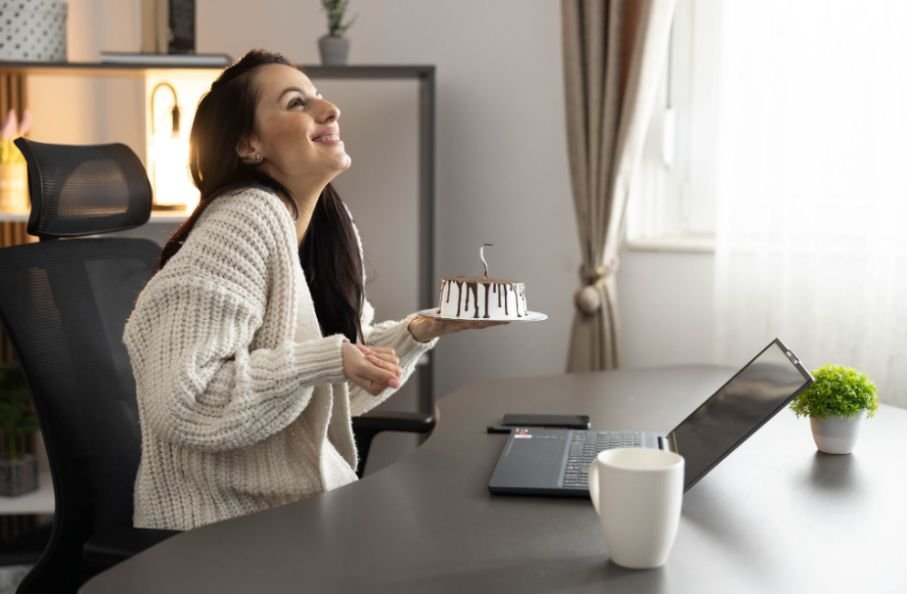
Some US weekdays feel crowded before breakfast. Work emails, school drop-offs, traffic, bills, errands, and constant phone alerts can make stress feel normal. That is why small daily habits for less stress matter. They help you calm your body and clear your mind without needing a perfect routine, expensive wellness app, or total lifestyle reset.
I like micro-habits because they need very little willpower. They are tiny actions that signal safety to your nervous system and help you slow down before stress takes over. The CDC recommends coping habits such as breathing, stretching, journaling, spending time outdoors, practicing gratitude, connecting with others, and taking breaks from news or social media.
Big stress plans often fail because they depend on a perfect day. Daily habits to reduce stress work better when they fit a normal Monday. You do not need to wake up at 5 a.m. or meditate for an hour. You need repeatable actions that interrupt stress early.
These simple habits for stress relief also create predictability. When your morning, workday, and evening have steady anchors, your brain makes fewer rushed decisions. The NHS (The National Health Service) recommends being active, taking control, connecting with people, making time for yourself, and working smarter instead of harder.
A calm morning only needs to protect your attention before the rest of the world gets access to it.

Delay screen use for the first 30 minutes. Checking texts, headlines, and social media immediately can put your brain in reaction mode before you even stand up. Put the phone across the room, turn off nonessential notifications, or make coffee before you check anything.
Step into sunlight or look outside for 10 minutes. Morning light can support your daily rhythm and help the day feel more grounded. I also drink water before coffee because it gives my body one calm signal before caffeine and deadlines take over.
Write three specific gratitudes. Keep them real: a quiet kitchen, a paid bill, a funny text, warm socks, or five peaceful minutes before work. Gratitude trains your brain to notice what is still working.
Midday stress often builds from constant switching. You answer one email, remember a bill, get a call, open another tab, and suddenly your body feels tense. Stress reducing habits during the day should reset you quickly without pulling you away from real life.
Try box breathing. Inhale for four seconds, hold for four, exhale for four, and hold again for four. Repeat it before a meeting, after a difficult call, or when your thoughts feel scattered. Healthline includes deep breathing, movement, mindfulness, reduced screen time, balanced meals, and boundaries among common ways to relieve stress and anxiety.
Create physical distance from your workspace. Leave your desk for five minutes to get water, stretch your shoulders, walk outside, or stand near a window. This tiny break tells your body that work is not the only thing happening.
Check off small tasks on paper. Digital lists are useful, but physically crossing off a task gives your brain a concrete sense of completion. You can also sip mindfully. Drink warm tea, coffee, or water and focus only on the temperature, taste, and feel of the cup.
Stress often shows up in your jaw, neck, shoulders, back, stomach, and sleep. That is why healthy habits for stress management should include the body.
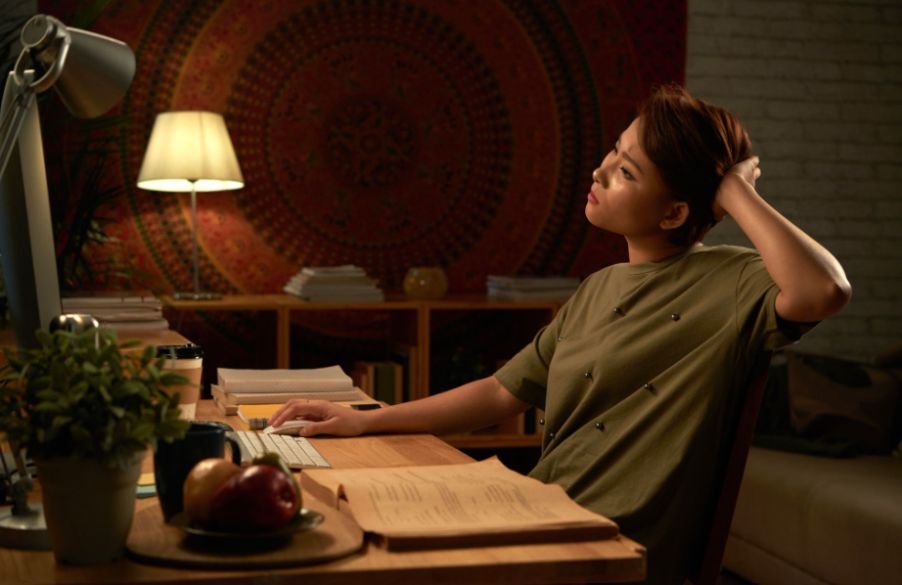
Walk for 10 minutes most days. You can walk around your neighborhood, office building, apartment complex, or a store parking lot. Movement helps release tension and gives your brain a break from screens. Mayo Clinic notes that almost any form of physical activity can act as a stress reliever.
Eat for steady energy, not perfection. Choose meals with protein, fiber, and color, such as eggs with toast, Greek yogurt and fruit, beans and rice, a turkey sandwich with vegetables, or chicken with salad. This is not about dieting. It is about avoiding the crash that can make a stressful day feel even harder.
Stretch where you hold stress. Roll your shoulders, loosen your neck, stretch your hips, or unclench your jaw. A few slow stretches can make your body feel less braced for danger.
Your evening routine only needs to help your brain close the day before tomorrow’s worries take over bedtime.
Start with a brain dump. Write your random thoughts, worries, reminders, and tomorrow’s to-do list on paper. This gives your mind a place to put unfinished thoughts instead of replaying them at 1 a.m.
Set a digital curfew one hour before bed when possible. Silence nonessential notifications, put your phone away, or charge it across the room. If one hour feels unrealistic, start with 20 minutes. Reducing screen time is one of the easiest small lifestyle changes for stress because it gives your brain less stimulation before sleep.
End with gentle movement. Stretch slowly, walk around the kitchen, or do a brief kitchen dance while music plays. The goal is not fitness. The goal is to release stored physical tension and remind your body that the day is done.

Avoid turning stress relief into another performance goal. You do not need a perfect morning routine, a color-coded planner, or a flawless sleep schedule. You need repeatable habits that fit real life.
Also avoid leaning too hard on doomscrolling, too much caffeine, emotional spending, skipped meals, or saying yes to everything. These may feel good for a moment, but they often create more stress later.
The best habits include delaying phone use, getting morning light, breathing slowly, walking, journaling, practicing gratitude, taking breaks, stretching, and setting a digital curfew.
Use box breathing, step away from your workspace, drink water mindfully, stretch your shoulders, and cross one small task off a paper list.
A helpful evening routine includes a brain dump, fewer notifications, gentle stretching, calming music, and a phone cutoff before bed.
Start with one morning habit, one mid-day reset, and one evening habit. Keep them small, repeatable, and easy enough for normal US weekdays.
Small daily habits for less stress are not about escaping responsibility. They are about building calm into the life you already have. When you delay your phone, step into sunlight, breathe before reacting, check off small wins, journal at night, and put your phone away before bed, you give your body more chances to recover.
Start with one habit today. Let it feel easy. Then add another when you are ready. A calmer life usually begins with small actions you can repeat.