
Most people don’t struggle with knowing they should take better care of themselves. The real challenge is finding wellness habits that fit into a schedule already filled with work deadlines, family responsibilities, errands, and endless notifications. When every hour feels spoken for, self-care often becomes the first thing to disappear.
That’s why the best wellness habits aren’t the ones that require a complete lifestyle overhaul. They’re the small actions you can repeat without disrupting your day. The most effective practical wellness ideas for busy adults focus on consistency over perfection, helping you feel calmer, healthier, and more energized without adding unnecessary pressure.

It’s easy to believe you need an hour-long workout, a perfectly balanced meal plan, or a weekend retreat to reduce stress. In reality, small daily habits often create lasting results because they’re easier to maintain.
Stress builds gradually, and managing it works the same way. Short breaks, healthier routines, and intentional moments of rest can improve emotional well-being, energy levels, and work-life balance without requiring major changes to your schedule.
The first few minutes of the morning often shape the rest of the day. Instead of reaching for your phone immediately, spend one minute helping your mind settle.
One technique that continues to gain attention is the 4-7-8 breathing method. Inhale through your nose for four seconds, hold your breath for seven seconds, then slowly exhale for eight seconds. This breathing pattern encourages your nervous system to slow down, making it a practical way to ease into a busy morning or reset after a stressful meeting.
Another simple option is a quick gratitude practice. Writing down three things you’re thankful for can shift your focus away from stress and toward what is already going well.
Exercise doesn’t have to mean spending an hour at the gym. Short bursts of movement throughout the day can improve circulation, boost energy, and lower stress.
A brisk 10-minute walk during lunch, taking the stairs instead of the elevator, or stretching between meetings are all examples of movement that fit naturally into a busy lifestyle. Spending a few minutes outside also provides natural light, which helps support your body’s internal clock and encourages healthier sleep patterns.
These simple activities are often easier to maintain than ambitious fitness plans that quickly become overwhelming.

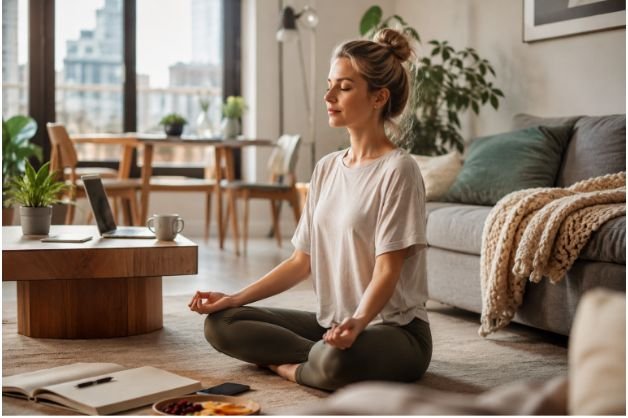
Busy adults often move from one task to another without giving their brains time to recover. Even sixty seconds of intentional relaxation can make a noticeable difference.
Progressive muscle relaxation is one practical technique. Tighten one muscle group for a few seconds before releasing it completely, then move to another area of your body. This exercise helps reduce physical tension that often builds during stressful workdays.
You can also close your eyes and picture a peaceful location for a minute. Whether it’s a favorite beach, hiking trail, or quiet backyard, this brief visualization creates a mental pause before returning to your responsibilities.
Technology keeps us connected, but constant notifications also make it difficult to fully relax.
Creating small digital boundaries can help reduce everyday stress. Consider silencing non-essential notifications during focused work, avoiding email before bedtime, or setting aside short periods each evening without your phone.
These habits improve concentration during the day while giving your mind an opportunity to unwind before sleep.

Busy schedules often lead to skipped meals or grabbing whatever is convenient. Preparing every meal from scratch isn’t realistic for everyone, but healthier choices don’t have to be complicated.
Keeping nutritious snacks nearby, drinking enough water throughout the day, and planning a few balanced meals each week can support steady energy levels. Foods that include lean protein, whole grains, vegetables, and healthy fats help prevent the energy crashes that make stressful days feel even harder.
The goal isn’t eating perfectly—it’s making better choices consistently.
One of the most overlooked wellness habits is learning when to say no.
Accepting every request, meeting, or commitment often leads to exhaustion instead of productivity. Setting healthy boundaries allows you to focus on priorities while creating space for rest, relationships, and personal interests.
This approach isn’t about doing less. It’s about spending your time where it has the greatest value, both professionally and personally.

The easiest way to make wellness stick is to connect new habits with routines you already have. Practice deep breathing while waiting for your coffee, stretch after brushing your teeth, or take a short walk after lunch.
This habit stacking approach removes the pressure of finding extra time while making healthy choices feel automatic. Over time, these small actions become part of maintaining long-term wellness, supporting your physical and mental health without overwhelming your daily schedule.
What is the easiest wellness habit to start with?
Begin with one small habit, like deep breathing, a short walk, or drinking more water. Simple routines are easier to maintain than major lifestyle changes.
How can busy adults reduce stress during work?
Take brief movement breaks, practice mindful breathing, limit unnecessary notifications, and step outside for fresh air whenever possible.
Do wellness habits need a lot of time?
No. Many effective habits take only one to ten minutes and still improve energy, focus, and emotional well-being when practiced consistently.
Why is consistency more important than perfection?
Healthy routines become sustainable when they fit everyday life. Repeating small actions regularly usually produces better long-term results than occasional intensive efforts.
The most effective wellness routines aren’t the ones that look impressive on social media. They’re the habits you can continue on busy Mondays, stressful afternoons, and weekends filled with responsibilities. Small choices like moving more, breathing intentionally, protecting your time, and taking short mental breaks may seem minor, but together they create meaningful improvements in how you feel every day.
When wellness becomes part of your routine instead of another task on your list, reducing stress feels far more achievable.