
Most people have experienced the excitement of starting a new wellness routine. A new workout plan, a healthier meal schedule, or a better sleep goal feels motivating at first. However, the challenge usually appears a few weeks later when daily responsibilities, busy schedules, and unexpected changes make those big commitments harder to maintain.
That is why many people are becoming interested in a simpler approach called wellness stacking. Instead of rebuilding an entire lifestyle overnight, it focuses on connecting small, positive habits to things people already do every day. The idea is less about creating a perfect routine and more about making healthy actions feel natural.

If you have been wondering what wellness stacking is, it is a method of attaching new health-focused habits to routines that already exist. Rather than forcing yourself to remember another task, you connect a new behavior with something familiar.
For example, someone may drink a glass of water while waiting for their morning coffee, practice deep breathing after brushing their teeth, or stretch for a few minutes after shutting down their laptop. The existing activity becomes a reminder, making the new habit easier to repeat.
Wellness stacking is closely connected to habit formation and behavioral science. The brain responds well to consistent cues. When a new action follows a regular routine, it slowly becomes automatic and requires less mental effort.
Many traditional wellness plans require major lifestyle changes. While those approaches can work for some people, they can also feel overwhelming. A strict routine that demands several new habits at once may become difficult to continue.
Wellness stacking offers a more realistic path. It works with daily life instead of competing against it. People do not need extra hours in their schedule or complicated systems to begin.
Another reason this approach connects with modern lifestyles is decision fatigue. Throughout the day, people make countless choices about work, family, food, technology, and personal responsibilities. Creating automatic wellness routines reduces the need to constantly decide when and how to take care of yourself.
Small actions may seem minor, but repeating them consistently can create meaningful improvements over time.

Long-lasting routines usually depend on consistency rather than intensity. A two-hour wellness routine that happens once a month may have less impact than a five-minute habit practiced every day.
Wellness stacking creates a natural connection between a current behavior and a desired action. This process makes the new habit easier to remember because it has a clear trigger.
For example, someone who wants better mindfulness habits might connect a short breathing exercise with their lunch break. Someone focusing on daily movement might take a short walk after checking the mailbox.
The goal is not to add pressure. It is to create simple patterns that become part of everyday living.
Wellness stacking can look different for everyone because routines, schedules, and personal goals vary. The most effective stacks are usually the ones that feel realistic.
Some simple examples include:
These combinations allow people to support different areas of wellness without making their routines feel crowded.
Physical activity does not always need to involve a structured workout. Adding movement into existing parts of the day can make staying active feel easier.
A person might take phone calls while walking, perform simple stretches while watching television, or choose stairs when possible. These small choices help movement become a normal part of daily life.
The focus shifts from finding extra time to using moments that already exist.
Mental well-being is another area where wellness stacking can be helpful. Many people avoid mindfulness practices because they assume they need long meditation sessions or a completely quiet environment.
Small moments can still support emotional balance. Taking a few slow breaths before opening emails, spending a minute away from screens, or noticing surroundings during a walk can create moments of calm.
These simple practices show how self-care can fit naturally into a regular day.
Evening routines play an important role in rest and recovery. Small adjustments before bedtime can influence sleep quality and relaxation.
Someone may stack healthier habits by reading after putting their phone away, preparing tomorrow’s essentials after dinner, or doing light stretching before sleep.
Simple evening patterns often become signals that help the body and mind transition into rest mode.
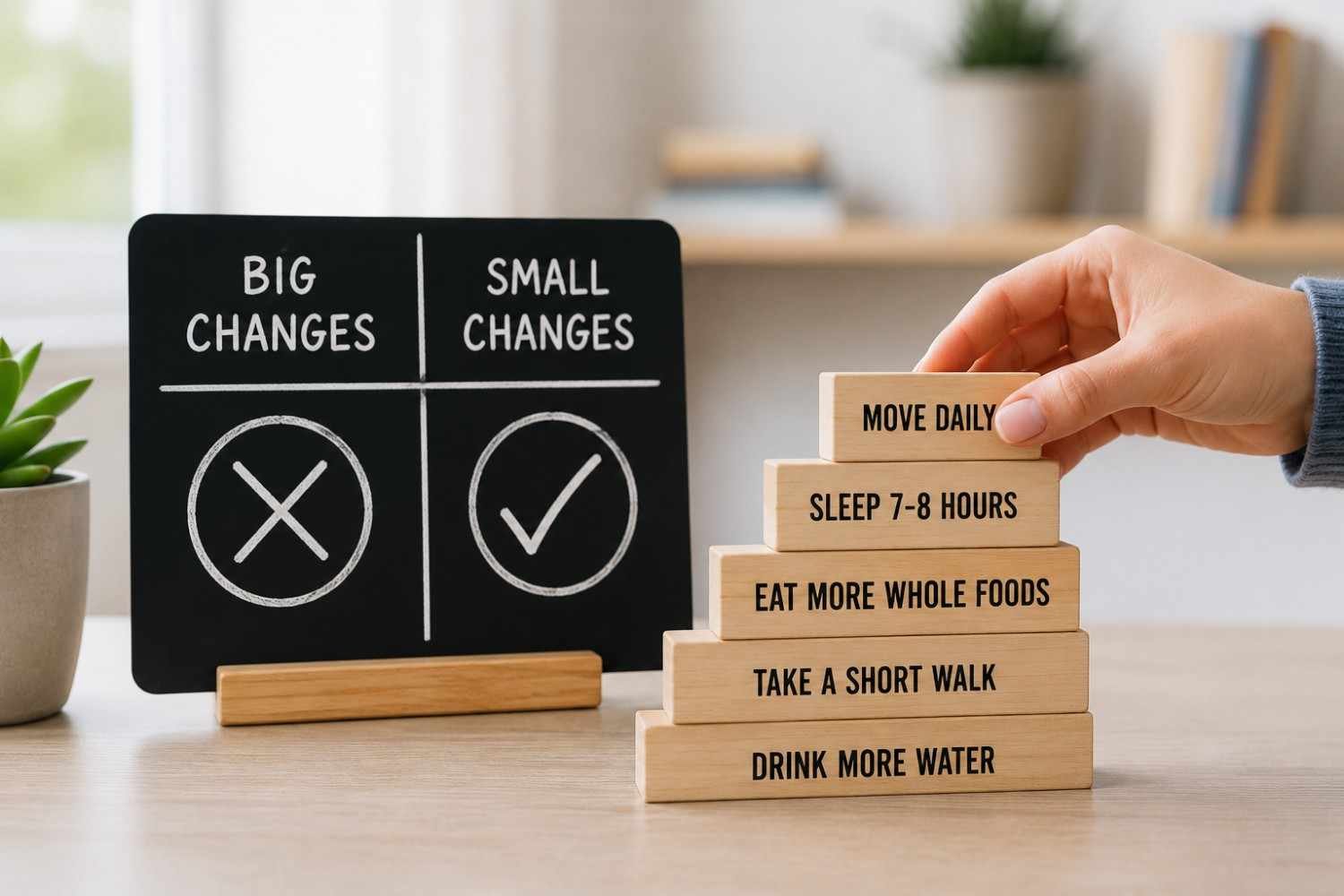
Major lifestyle changes can feel exciting, but they often require a lot of energy and motivation. The problem is that motivation naturally changes over time.
Small changes are usually easier to repeat because they create less resistance. A person is more likely to continue a habit that fits into their lifestyle instead of one that constantly interrupts it.
Many people now focus on wellness habits that support long-term health because sustainable routines often come from consistent daily choices rather than temporary challenges or extreme changes.
The best wellness routines are usually flexible. They leave room for busy days, unexpected events, and normal life changes.
Wellness stacking is a habit-building method that connects new healthy behaviors with routines you already have. It helps make wellness practices easier to remember and maintain consistently.
A regular routine may involve separate tasks, while wellness stacking connects new habits with existing behaviors. This connection creates natural reminders and makes habits easier to repeat.
Yes, wellness stacking can support daily wellness by encouraging consistent actions related to movement, mindfulness, hydration, sleep, and stress management.
Beginners can start by choosing one existing daily habit and pairing it with one simple wellness action. Starting small makes the routine easier to maintain.
Healthy living does not always come from dramatic changes. Often, it develops through repeated choices that slowly become part of everyday life. Wellness stacking works because it respects real schedules, personal responsibilities, and the natural way people form behaviors.
Small routines may not always feel impressive in the moment, but consistency gives them value. The habits people can maintain are usually the ones that create lasting change.