The best nutrient dense foods for daily meals are the foods that give your body more value per bite. I reach for them when I want steady energy, better fullness, and meals that do not feel like a boring diet plan.
For me, nutrient density became easier when I stopped chasing perfect meals. I started asking one simple question: “Does this plate give me protein, fiber, color, and healthy fat?” That small check changed how I built breakfast, lunch, and dinner.
Nutrient dense foods give you vitamins, minerals, protein, fiber, and healthy fats without relying on excess sugar or highly processed fillers. The 2025–2030 Dietary Guidelines for Americans encourage whole, nutrient-dense foods such as protein foods, vegetables, fruits, healthy fats, and whole grains while reducing highly processed foods with added sugars and refined carbohydrates.
That matters because most people do not fail at eating well from lack of effort. They fail because their meals do not satisfy them. A plain bagel may fill space, but eggs with greens and oats give your body more nutrition for the same eating moment.

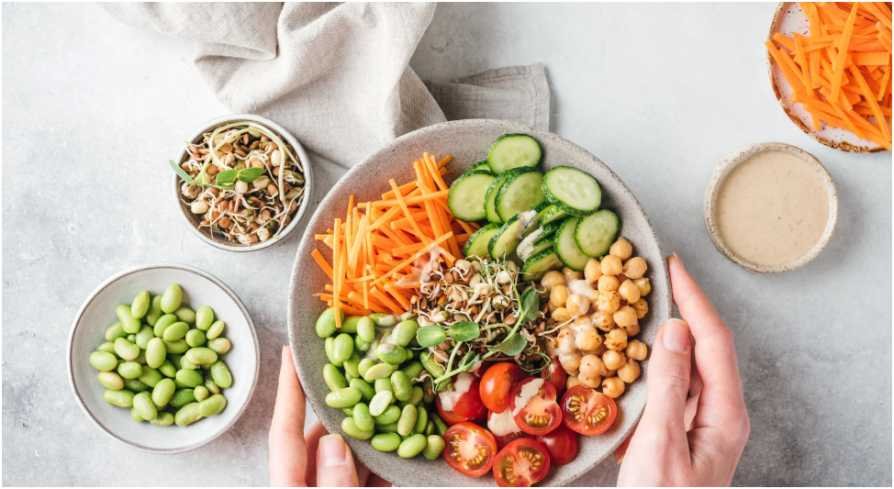
I use a four-part plate rule because it works on busy weekdays. I build meals with one protein anchor, one fiber-rich carb, one colorful plant, and one healthy fat. This keeps meals flexible enough for American kitchens, meal prep boxes, and quick grocery runs.
Harvard’s Healthy Eating Plate uses a similar visual approach. It recommends making about half the meal vegetables and fruits, one quarter whole grains, and one quarter healthy protein.
Protein makes the meal feel complete. My easiest picks are eggs, salmon, Greek yogurt, lentils, beans, tofu, chicken, and sardines. The current federal guidelines also list eggs, seafood, beans, peas, lentils, legumes, nuts, seeds, and soy as useful protein foods.
Carbs are not the problem. Low-quality carbs are the problem. Oats, quinoa, beans, lentils, berries, sweet potatoes, and whole-grain bread add fiber and help the meal last longer.
The 2025–2030 Dietary Guidelines specifically recommend fiber-rich whole grains and suggest reducing highly processed refined carbohydrates like white bread, packaged breakfast options, crackers, and similar foods.
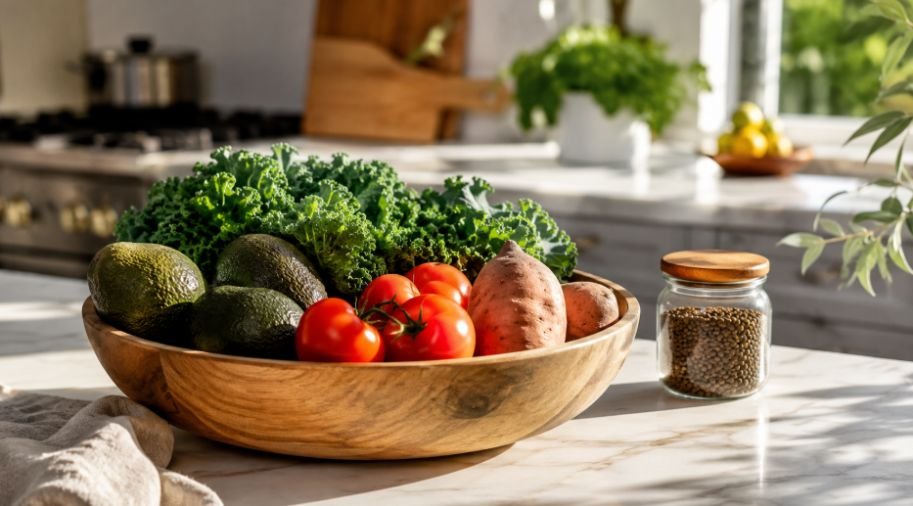
Color is my quick nutrient-density signal. Spinach, kale, broccoli, blueberries, strawberries, carrots, peppers, and tomatoes all bring different plant compounds and micronutrients to the plate.
The federal guidelines recommend colorful, nutrient-dense vegetables and fruits throughout the day, including frozen, dried, or canned options with little or no added sugar.

The best nutrient dense foods for daily meals are not rare powders or expensive pantry trophies. They are regular foods you can buy almost anywhere and rotate through the week.
Whole eggs are one of my favorite breakfast anchors because they are fast, filling, and versatile. I use them boiled, scrambled with spinach, or folded into a veggie omelet.
Eggs are also valued for choline. NIH explains that choline is an essential nutrient involved in cell membrane structure, metabolism, memory, mood, and muscle control.
Spinach, kale, collards, and Swiss chard are easy wins. I add a handful to eggs, soups, rice bowls, smoothies, or pasta sauce. They shrink while cooking, so it is easy to eat more than you think.
Leafy greens also pair well with iron-rich foods, beans, citrus, olive oil, and fish. That makes them more useful than a sad side salad.
Salmon, sardines, trout, anchovies, and mackerel are strong choices for protein and omega-3 fats. I like salmon for dinner and sardines on whole-grain toast when I need a fast lunch.
The American Heart Association recommends two servings of fish per week, especially fatty fish. A serving is about 3 ounces cooked or ¾ cup flaked fish.
Lentils, chickpeas, black beans, kidney beans, and peas are budget-friendly nutrient heroes. They bring plant protein, complex carbs, minerals, and fiber in one scoop.
I use lentils in soups, chickpeas in salads, and black beans in rice bowls. They also make meals feel hearty without needing heavy sauces.
Oats, quinoa, brown rice, barley, farro, and whole-wheat pasta give meals steady structure. I prefer oats for breakfast because they work with berries, chia seeds, nuts, and yogurt.
Whole grains beat refined grains because they keep more of the grain’s natural nutrients and fiber. Harvard notes that whole grains like quinoa, oats, brown rice, barley, and whole wheat have a milder effect on blood sugar and insulin than refined grains.
Blueberries, strawberries, raspberries, and blackberries are my favorite “sweet but smart” add-on. I use frozen berries often because they are cheaper, last longer, and still work in oats, yogurt, and smoothies.
They bring color, fiber, vitamin C, and antioxidants without turning breakfast into dessert.
Chia seeds, walnuts, pumpkin seeds, flaxseed, almonds, and sunflower seeds are small but powerful. I treat them like a nutrition topper, not a main meal.
A spoon of chia in oats, walnuts on yogurt, or pumpkin seeds on a salad can add texture, minerals, and healthy fats fast.

For breakfast, I like oatmeal with blueberries, chia seeds, and Greek yogurt or boiled eggs. It gives me whole grains, fruit, protein, and healthy fats before the day gets chaotic.
For lunch, I build a large bowl with spinach, quinoa, lentils, pumpkin seeds, and olive oil dressing. This plate hits fiber, plant protein, minerals, and crunch without feeling like diet food.
For dinner, I keep it simple with baked salmon, steamed broccoli, and a sweet potato with the skin. That combination gives protein, omega-3 fats, fiber, vitamin-rich vegetables, and slow-digesting carbs.
Snacks can help or hurt nutrient density. I keep mine simple: Greek yogurt with berries, apple slices with peanut butter, roasted chickpeas, cottage cheese, boiled eggs, or trail mix with nuts and seeds.
For more ideas, use healthy snack ideas with protein and fiber as your next internal read. It fits naturally here because snacks should support meals, not replace real nutrition.
The biggest mistake is eating only “clean” foods but not enough protein or calories. A plate of lettuce and cucumber may look healthy, but it will not keep most people full.
Choosing healthy alternatives to junk food can make nutrient dense eating more realistic because it helps you replace empty-calorie snacks with foods that still taste good while adding protein, fiber, vitamins, or healthy fats.
Another mistake is ignoring convenience. Frozen vegetables, canned beans, canned salmon, instant oats, and pre-washed greens can still support a nutrient dense routine. The goal is not a perfect farm-to-table plate. The goal is a better daily default.
Also, do not treat one food as magic. Eggs are useful, but they cannot replace vegetables. Salmon is excellent, but beans and grains still matter. The real win comes from repeatable combinations.
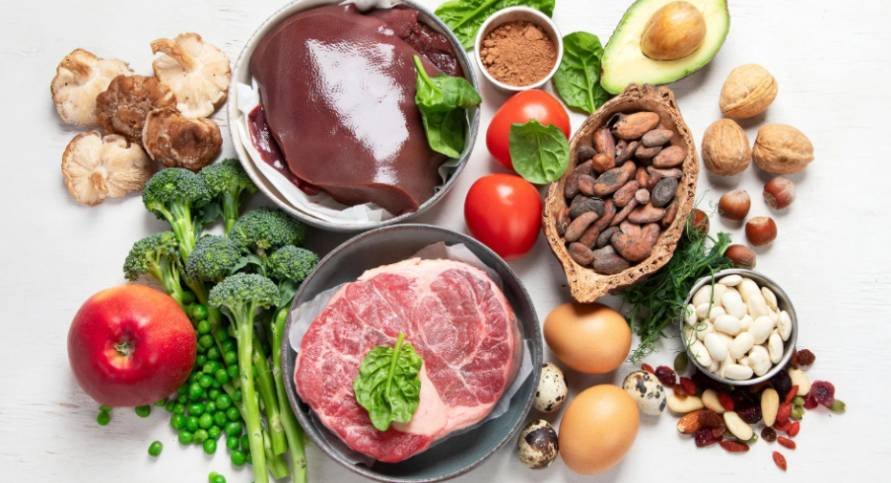
Eggs, leafy greens, beans, lentils, berries, oats, salmon, nuts, seeds, and broccoli are strong daily choices.
Add protein, fiber-rich carbs, colorful vegetables or fruit, and healthy fat to each meal.
Not always. Oats, eggs, lentils, canned beans, frozen spinach, sardines, and frozen berries are budget-friendly options.
Yes. Focus on adding better foods first instead of banning everything you enjoy.
The best nutrient dense foods for daily meals are the ones you will actually repeat. Start with eggs, greens, beans, oats, berries, fish, nuts, and seeds. Then mix them into meals you already like.
My sassy rule is simple: stop making your plate look busy and start making it work harder. Add one protein, one fiber food, one colorful plant, and one healthy fat at your next meal. That is enough to begin.