
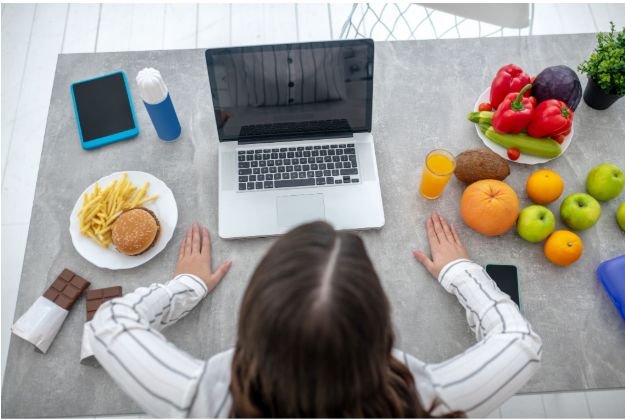
For many Americans, the workday no longer feels physically demanding, but sitting through eight hours of emails, meetings, and screen time can still drain the body in quiet ways. I have noticed that small choices, like how I sit, when I move, what I drink, and how often I rest my eyes, can shape my energy more than one intense workout after work.
That is why healthy lifestyle tips for desk job workers should focus on simple habits that fit naturally into a real office or remote-work routine.
A desk job can quietly become unhealthy when you sit for hours without movement, lean toward your screen, skip water, rush meals, and carry stress from one meeting to the next. Long sedentary hours may contribute to poor circulation, tight hips, weak core muscles, neck strain, lower back pain, fatigue, and reduced daily activity.
That is why simple health tips for office workers can make a meaningful difference when practiced consistently instead of occasionally.
The goal is not to fear sitting. The goal is to break up sitting and build healthier patterns into your day. When I treat wellness as part of my work routine instead of a separate task, it becomes much easier to stay consistent.

Your workstation should support your body instead of forcing it into awkward positions. Start by placing the top third of your monitor at eye level so you do not keep bending your neck downward. Your screen should sit far enough away that you can view it comfortably without leaning forward.
Adjust your chair so your shoulders stay relaxed and your elbows, hips, and knees rest close to a 90-degree angle. Keep both feet flat on the floor, or use a footrest if your feet do not reach comfortably. If you work from a laptop, use an external keyboard and mouse whenever possible. This simple change can reduce slouching and shoulder strain.
Avoid cradling your phone between your ear and shoulder during calls. A headset or earbuds can protect your neck, especially if you take frequent calls during the day.
Desk workers should move every 30 to 60 minutes, even if the break lasts only two or three minutes. Short movement breaks improve circulation, reduce stiffness, and help reset your focus.
I like to stand after finishing a task, stretch before a meeting, walk while taking phone calls, or refill my water bottle when I feel sluggish. If you work in an office, take the stairs instead of the elevator when possible. If you commute, park farther away or get off public transit one stop early to add more steps before work.
Walking meetings can also help, especially for one-on-one conversations or phone calls that do not require screen sharing. These simple habits make healthy lifestyle tips for desk job workers easier to follow in real life.
You do not need a full workout during office hours to stay active. Small exercises can help loosen tight muscles and wake up your body. Wall push-ups, seated spinal twists, shoulder rolls, calf raises, bodyweight squats, and gentle hip stretches all work well during short breaks.
If you feel uncomfortable exercising in a shared office, keep it simple. Stand up, walk to the restroom, stretch your wrists, roll your shoulders, or take a short lap around the building. The best movement habit is the one you will actually repeat.

Desk workers often deal with digital eye strain because they stare at screens for long periods and blink less than usual. To protect your eyes, follow the 20-20-20 rule. Every 20 minutes, look at something 20 feet away for at least 20 seconds.
You can also reduce screen fatigue by adjusting brightness, increasing text size, reducing glare, and avoiding a bright screen in a dark room. I also find it helpful to take screen-free breaks between meetings instead of immediately checking my phone.
A healthy workday becomes much easier when you plan meals before hunger takes over. Packing lunch from home gives you better control over calories, sodium, portions, and ingredients. This matters because many office meals and takeout options in the US can be high in salt, added sugar, and saturated fat.
Aim for meals that include protein, fiber-rich carbohydrates, healthy fats, and vegetables. Good desk-friendly options include grilled chicken wraps, salads with beans or eggs, Greek yogurt, oatmeal, fruit, nuts, and leftovers from dinner.
Smart snacks also help you avoid vending machines and mindless grazing. Keep whole fruit, unsalted nuts, plain yogurt, or cut vegetables nearby. Try not to snack continuously while reading emails because it becomes easy to ignore portion sizes.
Following Healthy Snack Ideas With Protein and Fiber That Fill can make these choices even more satisfying. Pair foods such as apple slices with peanut butter, Greek yogurt with berries, hummus with vegetables, cottage cheese with fruit, or a handful of nuts with fresh fruit to stay fuller for longer, support steady energy levels, and reduce the temptation to overeat between meals.
Hydration supports energy, digestion, focus, and joint comfort. Many adults need roughly 2.7 to 3.7 liters of total water daily from drinks and food, though individual needs vary based on body size, activity level, climate, and health conditions.
I keep a refillable bottle on my desk because visual reminders work. You can also drink water before coffee, with lunch, and during afternoon breaks. Limit sugary sodas, energy drinks, and excess specialty coffees because liquid calories can add up quickly without making you feel full. Water, sparkling water, or unsweetened herbal tea are better everyday choices.

A healthy desk job routine should include mental wellbeing, not just posture and movement. Start by setting clear work hours when possible. Defined start and end times help reduce burnout, especially for remote and hybrid workers who may struggle to separate work from home life.
Use focus modes or silent notifications during deep-work blocks. Give yourself five to ten minutes between meetings when your schedule allows it. Use that time to breathe, stretch, look away from screens, or step outside.
Fresh air and natural sunlight during lunch can also help reduce stress and improve your mood. Even a short outdoor break can make the second half of the workday feel lighter.
A realistic routine works better than an extreme one. Start your morning by adjusting your chair, screen, keyboard, and water bottle. During work, move every 30 to 60 minutes and use the 20-20-20 rule for eye comfort. At lunch, step away from your desk, eat a balanced meal, and get a few minutes of fresh air.
In the afternoon, choose water over sugary drinks, stretch tight areas, and silence distractions during important tasks. After work, take a walk or do light stretching to help your body recover from sitting.
These healthy lifestyle tips for desk job workers are simple, but they work best when you practice them daily.
The best health tips for desk workers include moving every 30 to 60 minutes, setting up an ergonomic workstation, drinking enough water, eating balanced meals, taking eye breaks, and managing stress.
You can stay active by walking during calls, taking the stairs, stretching between meetings, doing short desk exercises, parking farther away, and standing for a few minutes every hour.
Desk workers can reduce back and neck pain by keeping the monitor at eye level, using a supportive chair, keeping feet flat, using external laptop accessories, avoiding phone cradling, and changing positions often.
Eat balanced meals with protein, fiber, healthy fats, and vegetables. Pack lunch when possible and keep smart snacks like fruit, nuts, yogurt, or vegetables nearby.
A desk job can challenge your health, but it does not have to control it. When I build small habits into my workday, I feel more focused, less stiff, and more energized.
Start with better posture, regular movement, smart meals, hydration, eye breaks, and firm work boundaries. Over time, these small changes can protect your long-term wellbeing and make every workday feel healthier.